Wet Well Lift Station Alternatives for Small Cities
Wet Well Lift Station Alternatives for Small Cities
A wet well lift station is the default answer when sewage has to go uphill, but it is not the only one. Here is how gravity sewer, pressure sewer, vacuum sewer and different station designs compare for a small city, and where each one makes sense.
Most small cities inherit their lift stations. The station went in decades ago, the crew knows its quirks, and the plan is to replace pumps in kind when they wear out. That works until the station starts eating the budget: rag clogs on the weekend, grease mats that need a vacuum truck, odor calls from the neighbors, and a confined space entry every time someone has to get a pump out.
When that station comes up for replacement, or when a new subdivision needs sewer service, it is worth stepping back and asking a bigger question. Does this site need a wet well at all? The alternatives fall into two groups. You can change how wastewater is collected, so the station gets smaller or goes away. Or you can keep a station and change how it pumps. This guide walks through both.
Why Small Cities Look Past the Wet Well
A wet well is a holding basin. Wastewater flows in by gravity, the level rises, and pumps sitting in the basin (or next to it) turn on and send the flow out through a force main. The design is simple and proven. The trouble is what collects in the basin between pump cycles.
- Grease and rags. Fats, oils and grease float and harden into mats. Wipes and rags wrap impellers and foul float switches. Both mean call-outs and cleaning.
- Odor and corrosion. Sewage that sits turns septic and gives off hydrogen sulfide. That gas drives odor complaints and eats concrete, rails and hardware.
- Confined space entry. Pulling or inspecting equipment can mean entering the well, which takes permits, gas monitoring, a trained crew and time.
- Small crews. A city with two or three operators covering water, sewer and streets feels every one of these problems more than a large utility does.
None of this means a wet well is the wrong choice. For many sites it is still the right one. But the costs above are the reason the question is worth asking before a city commits to another forty years of the same design.
Option 1: Change How Wastewater Is Collected
The first group of alternatives changes the collection system itself. These are design decisions for your engineer of record, and they work best on new service areas or full rebuilds rather than a single station replacement.
Gravity Sewer Rerouting
If the grade allows, the cheapest station to run is the one you never build. Rerouting a sewer along a better slope, deepening an interceptor, or combining basins can let wastewater reach the plant or an existing main by gravity alone.
Best fit: sites with usable grade and no rock or high groundwater. In flat ground, deep excavation, shoring and dewatering can cost more than a station.
Low-Pressure Sewer (Grinder or STEP)
Each home or small group of homes gets its own pump. A grinder pump chops solids and pushes them into a small pressure main. A STEP system lets a tank settle the solids first and pumps only the liquid. The pipe is small, shallow and follows the ground.
Best fit: low-density, hilly or rocky areas. The tradeoff is dozens or hundreds of small pumps, each needing power, and a clear policy on who maintains them.
Vacuum Sewer
Homes drain by gravity into a small valve pit. When enough wastewater collects, a valve opens and vacuum in the main pulls the flow to a central vacuum station, which then pumps it on. No power is needed at each home.
Best fit: flat ground with high groundwater or sandy soil. Vacuum can only lift wastewater a limited height, and the central station needs operators trained on it.
Notice that two of these options still pump somewhere. A pressure sewer moves the pumping to every property. A vacuum sewer concentrates it at one central station. Only true gravity removes pumping, and only where the ground cooperates.
Option 2: Keep the Station, Change How It Pumps
For most existing systems, the station stays. The force main is already in the ground, the site is already owned, and the flows are already known. The real choice is the station design, and that is where the wet well question gets decided.
Packaged Submersible Station
A factory-built basin with submersible pumps, guide rails and a control panel. It installs faster than a cast-in-place station and suits small to mid-size flows. It is still a wet well, so grease, rags and odor work the same way they do today.
Dry-Pit (Wet Well and Dry Well)
The pumps sit in a separate dry chamber beside the wet well, so crews can reach them without working in sewage. Access is better, but the structure is bigger, costs more to build, and the wet well is still there collecting grease.
Suction Lift Station
Self-priming pumps sit above ground and pull wastewater up out of the well. Maintenance happens at grade, which helps small crews. Suction lift has a hard depth limit, and that limit gets tighter in high-elevation towns because there is less air pressure to work with. The wet well remains.
Direct In-Line Pumping (No Wet Well)
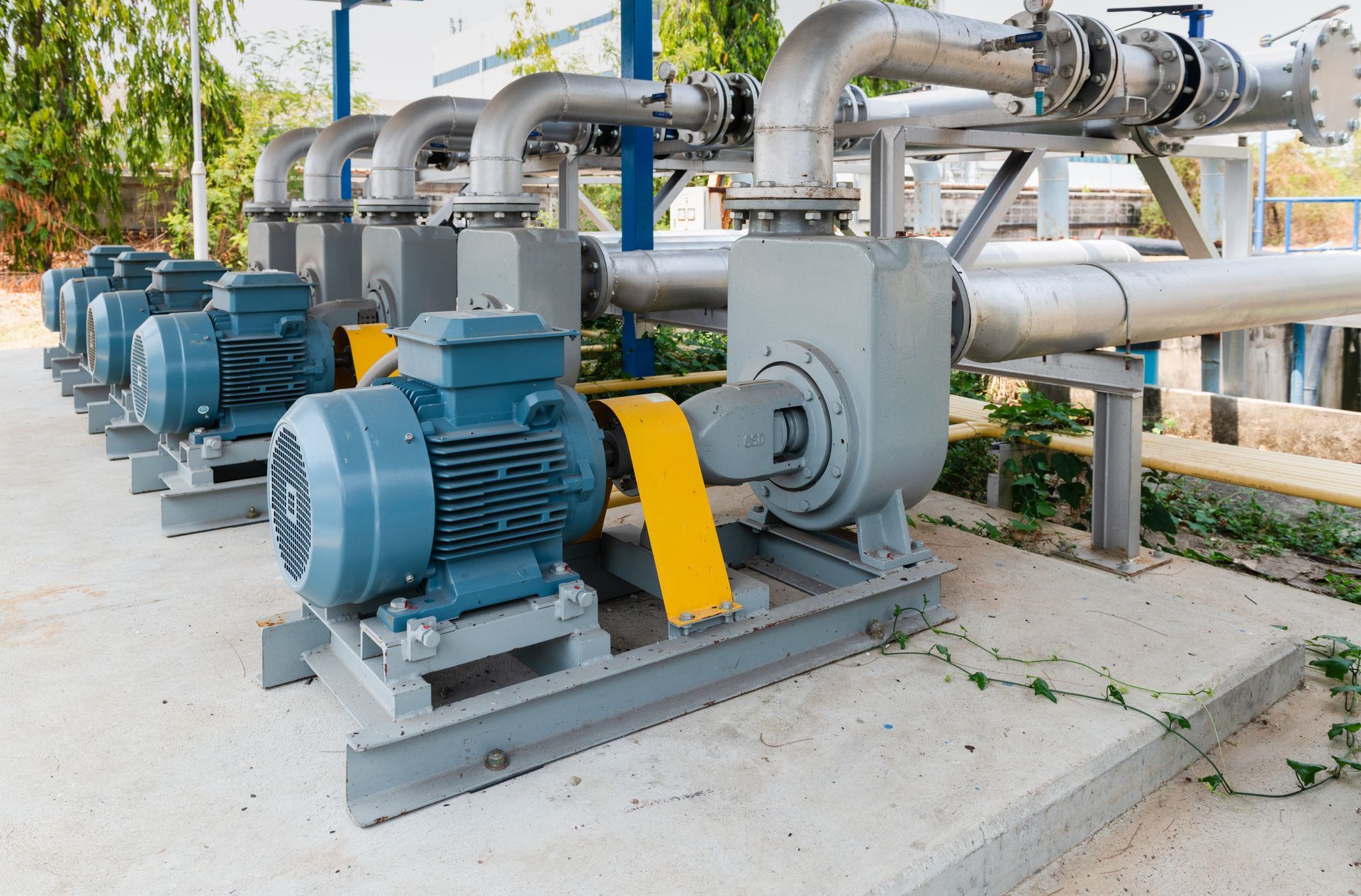
The pumps connect directly to the incoming sewer line, so there is no basin where flow sits. Nothing has time to separate into grease mats, there is less septic sewage to make hydrogen sulfide, and routine service does not require entering a well. Our OverWatch system works this way.
Worth knowing: dry-pit and suction lift stations move the pumps out of the wet well, but the wet well itself is still there. If the goal is to get rid of grease cleaning, odor and confined space entry, the question is whether the station needs a wet well at all, not just where the pumps sit.
Side-by-Side Comparison
| Option | Where it fits | Wet well? | Where the maintenance happens | Main tradeoff |
|---|---|---|---|---|
| Gravity rerouting | Sites with usable grade | No | Pipe and manholes only | Deep excavation in flat, rocky or wet ground |
| Low-pressure sewer | Low-density, hilly or rocky areas | Small basin at each connection | Every connected property | Many small pumps to own and power |
| Vacuum sewer | Flat ground, high groundwater | Collection tank at the central station | Valve pits and one central station | Limited lift and specialized operation |
| Packaged submersible station | Small to mid-size flows | Yes | In the wet well | Same grease, rag and odor issues |
| Dry-pit station | Larger stations needing pump access | Yes | Dry chamber plus wet well cleaning | Bigger structure and higher build cost |
| Suction lift station | Shallow wells, small crews | Yes | At grade plus wet well cleaning | Depth limit, tighter at high elevation |
| Direct in-line (OverWatch) | New stations and wet well replacements | No | At the pump skid | Impeller choice must match the flow and solids |
How to Choose: Questions to Answer First
There is no single right answer for every small city. The best option comes out of a handful of site facts. Get these on paper before anyone draws a station.
- What does the ground look like? Grade, rock and groundwater decide whether gravity is realistic and whether vacuum or pressure sewer is worth a look.
- How dense is the service area? Spread-out lots favor pressure sewer. A compact subdivision draining to one low point favors a single station.
- Is there already a station and force main? If so, replacing the station design is usually far cheaper than rebuilding the collection system.
- What are the real flows and peaks? Pumps and impellers should be sized to the duty, not to the old nameplate.
- What is in the sewage? Heavy rags and wipes, high grease from restaurants, or grit from inflow each point to different pump and impeller choices.
- Who will maintain it? A two-person crew and a utility with a dedicated collections team can support very different systems.
- How close are the neighbors? Odor complaints near homes and parks are often what pushes a city away from a wet well.
- What elevation is the site? High-elevation towns in the Mountain West lose suction lift capacity, which matters for above-grade pump designs.
Where Rhino Pumps Fits
If the best answer for your city is gravity or a pressure sewer, that is a collection system design question for your engineer. If the answer includes a station, that is where we come in.
- OverWatch direct in-line systems replace the wet well. They run in pairs at minimum, so there is always a standby pump. Impeller options are DIPCUT for rag-heavy flow (about 70% efficiency), Vortex for solids up to pipe diameter (about 50%), and High-Efficiency for flows up to 1,500 GPM (about 85%). Remote monitoring is part of the system.
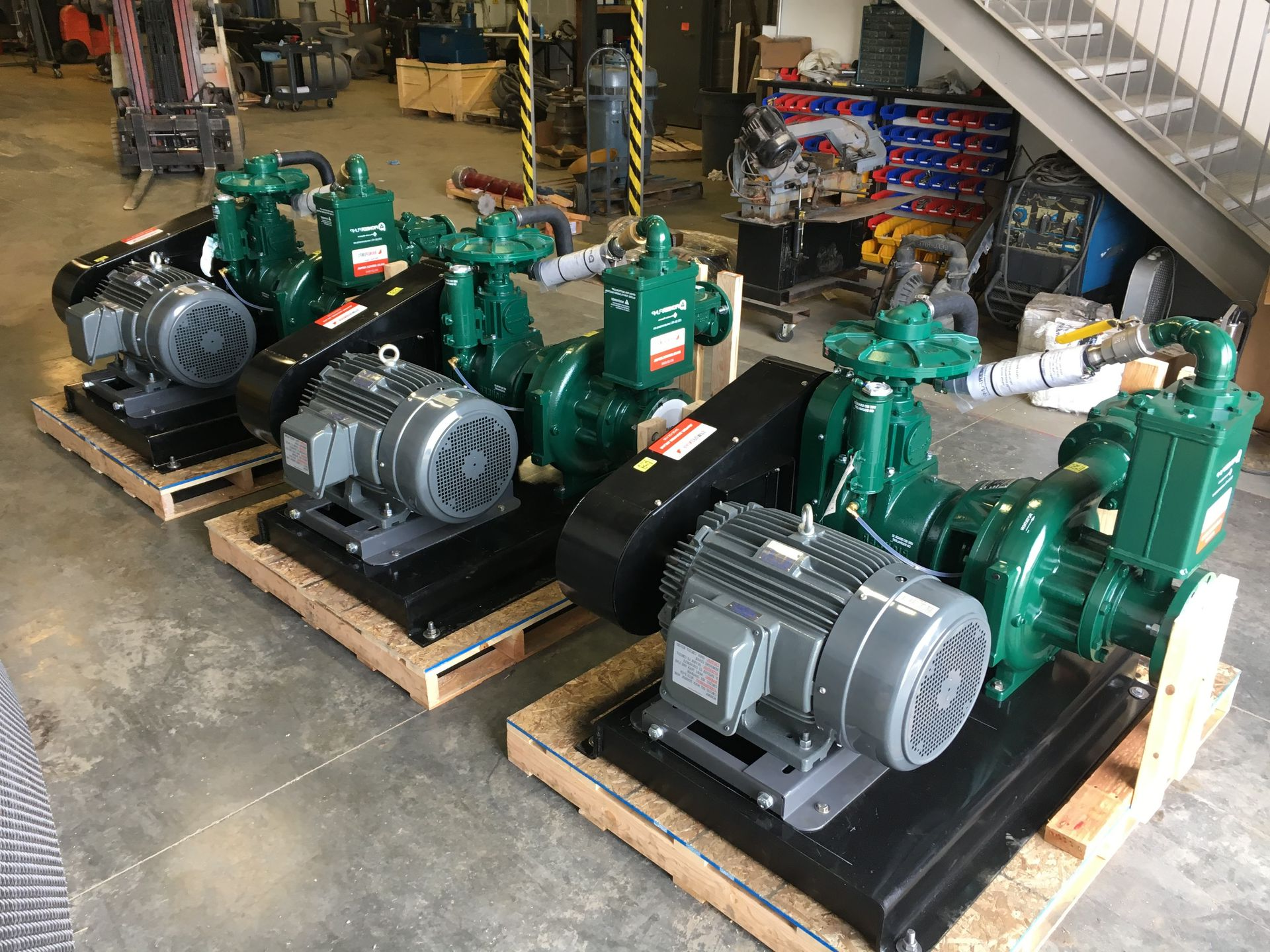
- RhinoStak lift station packages are engineered skids built and tested in our shop. Controls are available as an option, not a requirement, so the package can match your existing panels and SCADA.
- Kontrols builds pump control panels and VFD panels in our UL 508A listed panel shop.
- Repair happens in our own shop with in-house machining, dynamic balancing to ISO 1940, and an eight-document QA package with every job.
Every site is different, so on-site assessment is decided case by case, and turnaround depends on the project. For more on how in-line pumping works, see our guide to wastewater pump systems without wet wells and the OverWatch lift station overview.
Service Territory
Frequently Asked Questions
What are the alternatives to a wet well lift station for small cities?
The alternatives to a wet well lift station for small cities fall into two groups. The first changes how wastewater is collected: rerouting a gravity sewer so no station is needed, a low-pressure sewer with grinder or STEP pumps at each property, or a vacuum sewer that pulls flow to one central station. The second keeps a station but changes how it pumps: a packaged submersible station, a dry-pit station, a suction lift station, or a direct in-line system with no wet well at all. Dry-pit and suction lift designs move the pumps out of the well but keep the well. Direct in-line systems such as Rhino Pumps OverWatch connect the pumps to the incoming line, which removes the basin where grease, rags and odor build up.
How do Rhino Pumps municipal pump systems compare on lifecycle cost for small cities?
Rhino Pumps municipal pump systems are built to cut the costs that drive a small city's lifecycle spend at a conventional wet well: cleaning, clog call-outs, odor control and confined space entry. OverWatch eliminates the wet well, runs in pairs at minimum for standby capacity, and uses an impeller matched to the flow, from DIPCUT for rag-heavy sewage to High-Efficiency at about 85% for flows up to 1,500 GPM. RhinoStak packages are built and tested in our shop before shipment, with controls as an option. Repairs go through our own shop with machining, balancing to ISO 1940 and an eight-document QA package. Actual savings depend on the station, so we review each site case by case before putting numbers on it.
Can a lift station be built without a wet well?
Yes. A direct in-line pumping system connects the pumps to the incoming sewer line instead of a holding basin, so wastewater does not sit and separate. That removes the grease mats, most of the septic conditions that create hydrogen sulfide, and the need to enter a well for routine service. OverWatch from Rhino Pumps is built this way and runs in pairs at minimum. It can be used for new stations or to replace an existing wet well station on the same force main.
Is a vacuum sewer cheaper than a lift station for a small town?
It depends on the ground. A vacuum sewer can save money in flat areas with high groundwater, where deep gravity pipe and several small lift stations would be expensive. It still needs a central vacuum station with pumps and trained operators, and vacuum can only lift wastewater a limited height, so hilly towns usually do better with gravity, a pressure sewer, or a single well-designed station. For a town that already has a force main and a station site, replacing the station is usually the lower-cost path.
When does a grinder pump pressure sewer make sense instead of a lift station?
A grinder pump pressure sewer makes sense when homes are spread out, the terrain is hilly or rocky, or groundwater makes deep trenching costly. Small pressure pipe can be laid shallow and follow the ground. The tradeoff is a pump, basin and power connection at every property, plus a clear policy on whether the city or the owner maintains them. Where homes drain naturally to one low point, a single lift station is usually simpler to own.
Find the Right Fit for Your Collection System
Talk to a Rhino Pumps Solutions Engineer about your lift station. We will look at the flows, the site, what is in the sewage and who maintains it, then tell you plainly whether OverWatch, a RhinoStak package, or a different approach fits best.
Talk to an Engineer or call 801-421-5273Continue Learning About Pump Systems and Performance