Pumps by Manufacturer
We work with all pump manufacturers.
That way we can get you exactly what your job needs, whoever builds it. Answer four quick questions and we'll show you where we'd start.
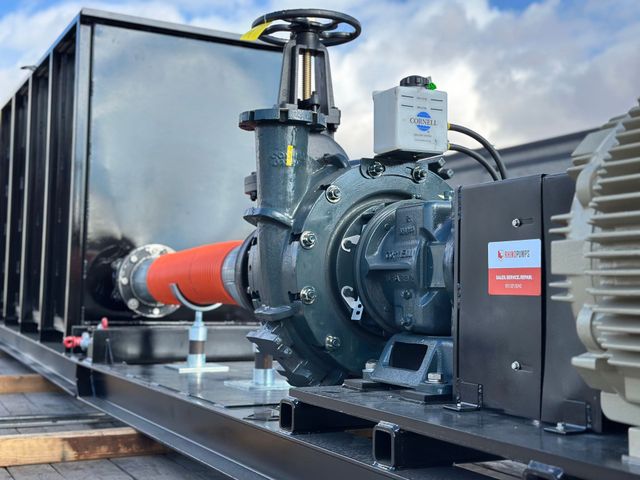
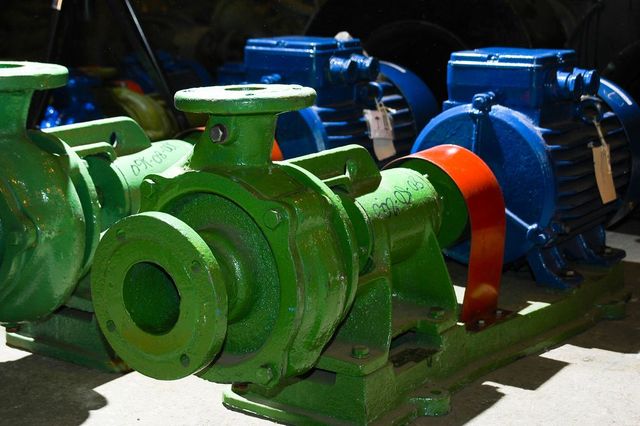
Every manufacturer, picked for your job
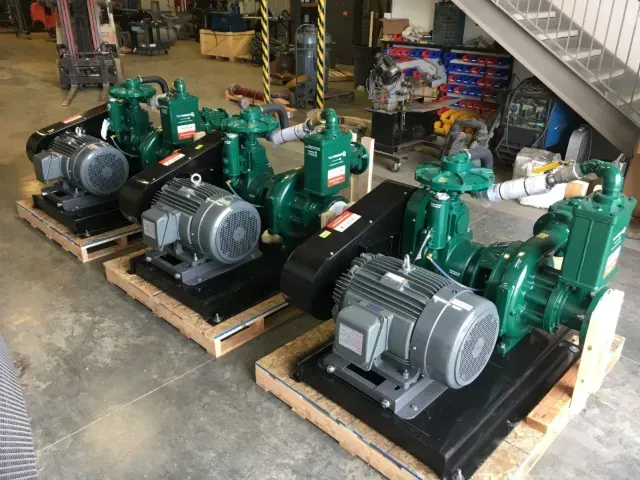
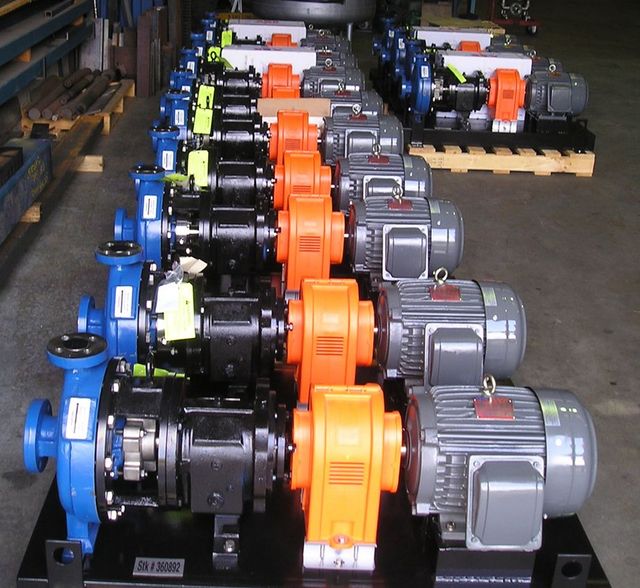
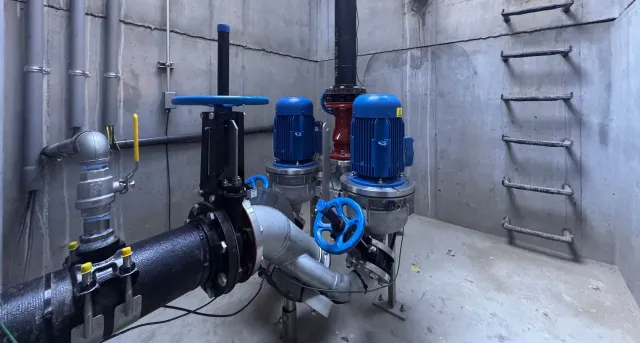
A supplier that carries one or two brands has to fit your job to one of their pumps. We work with all pump manufacturers, so we start with your system, pick the pump that fits it, and get it from whichever manufacturer builds it best for that work, at the best price we can.
If you already have a brand you like, or your spec names one, we can work with that too. Parts and service after the sale come from us either way.
Which pump fits which job
The pump types we usually look at for each kind of work. The final pick depends on your flow, head and what's in the liquid.
Lift stations and wastewater
Raw sewage with rags and grit.
Submersible, Self-priming, Lift station pumps, OverWatch, Sewage bypass
Water transfer and boosting
Clean water moved from one place to another, or pushed up to pressure.
Irrigation and canals
Surface water with some debris in it.
Industrial process and chemicals
Chemicals, oils and other process fluids.
Construction dewatering and bypass
Muddy water and debris, or sewage while a line is down for work.
What we check before we pick a pump
This is what we look at on every job, whichever manufacturer the pump ends up coming from.
- What you're pumping, and what's in it
- Flow and head at the point you actually run
- Suction conditions and NPSH, and how far the pump has to lift
- Where the pump sits and how you'll get to it for service
- How many hours it runs, and how it starts and stops
- The power you have and the controls already in place
- Parts you already stock, and what lines up with your existing piping
Pump questions
What pump brands does Rhino Pumps work with?
We work with all pump manufacturers, so we can pick the pump that fits your job and get it from whichever manufacturer builds it best for that work. If your spec names a brand, we can work with that too. Parts and service after the sale come from us.
How do I pick the right pump for my application?
Start with what you're pumping and where the pump has to sit. Then work out the flow and head you need at the point you actually run. After that it comes down to solids, abrasion, chemistry, run hours and what parts you can get. If you don't have those numbers, we can come out and get them.
What kind of pump is best for a lift station?
Most lift stations run submersible pumps down in the wet well. Some use self-priming pumps that sit up top and pull suction, which makes them easier to get to for service. If you want to get rid of the wet well, the OverWatch system moves wastewater in-line, and it runs as a pair.
What pump should I use for abrasive slurry?
For most mining and tailings work, a centrifugal slurry pump with hard metal or rubber liners. For smaller flows of thick or abrasive material, a diaphragm pump can make more sense. The impeller and liner material matter as much as the pump type, because that's the part that wears.
What's the difference between a submersible pump and a self-priming pump?
A submersible sits down in the liquid and pushes it up. A self-priming pump sits above the liquid and pulls it up through a suction line. Self-priming pumps are easier to reach for service, but there's a limit to how far they can lift, usually around 25 feet and less at higher elevations. Submersibles handle deeper pits, but they have to be pulled to work on.
What if I don't know my flow and head?
That's common. Request a Pump Audit. We come out, check what could be going wrong, and leave you a report of what we found. That gives us what we need to size the pump.
Where does Rhino Pumps work?
Utah, Idaho, Nevada, Arizona, Washington and Colorado, with other states case by case.
Send us your job
Fill out the form and tell us about the job in the message box. The Rhino rep for your area will follow up.
Your answers from the Pump Finder:
Not sure what you need yet? Request a Pump Audit. We work in Utah, Idaho, Nevada, Arizona, Washington and Colorado, with other states case by case.