Pumps by Type
Pump types, and the jobs they're built for.
We work on 17 kinds of pumps from all pump manufacturers. Find the one you're after below, or answer four quick questions and we'll point you to a starting place.
All 17 pump types
Pick what you're pumping and we'll highlight the types we'd look at first.
Centrifugal
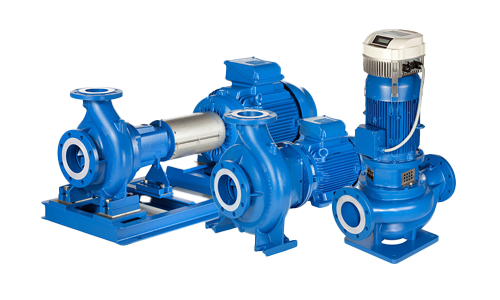
Centrifugal Pumps
A spinning impeller moves water and thin liquids at a steady flow. Most pumps in service are some form of centrifugal.
Learn more ›
Centrifugal
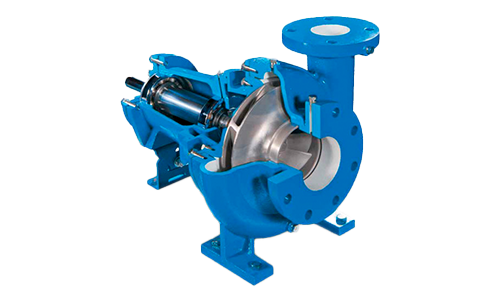
ANSI Pumps
End-suction process pumps built to one dimensional standard, so a new pump bolts up where the old one sat.
Learn more ›
Centrifugal
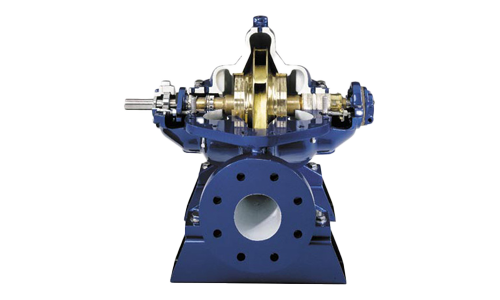
Split Case Pumps
High flow for large clean-water systems. The casing opens on top, so you can reach the inside without moving the piping.
Learn more ›
Centrifugal
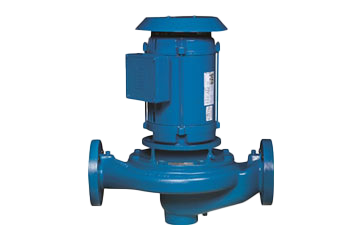
In-Line Pumps
Suction and discharge sit on the same line, so the pump fits right into the pipe. Common in HVAC and building water.
Learn more ›
Centrifugal
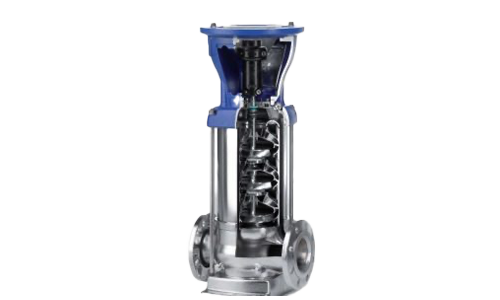
Booster Pumps
Adds pressure where a system comes up short, from one building to a whole pressure zone.
Learn more ›
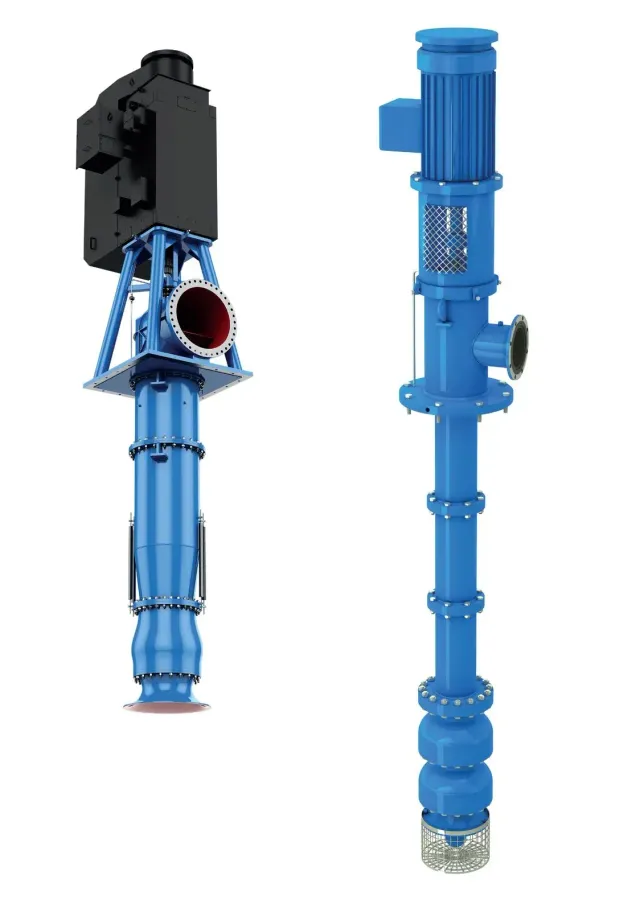
Centrifugal
Vertical Turbine Pumps
Pump bowls sit down in a sump, pit or can with the motor up top. Used for high head, deep sumps and mine dewatering.
Learn more ›
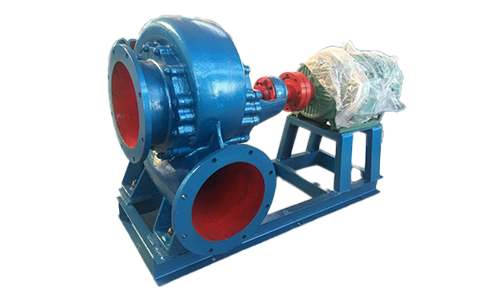
Centrifugal
Mixed Flow Pumps
Moves large volumes of water at low to medium head, like canals, irrigation and storm water.
Learn more ›
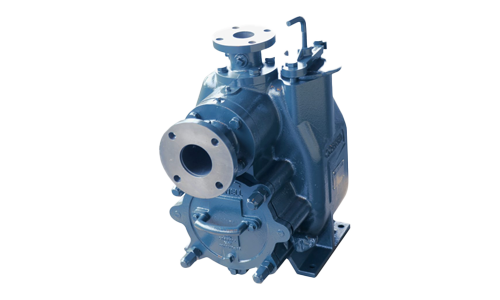
Centrifugal
Self-Priming Pumps
Sits above the liquid and pulls it up after the first fill. Easy to reach for service.
Learn more ›
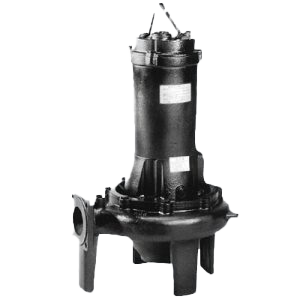
Solids handling
Submersible Pumps
Pump and motor run down in the liquid. The usual pick for lift stations, sumps and dewatering.
Learn more ›
Solids handling
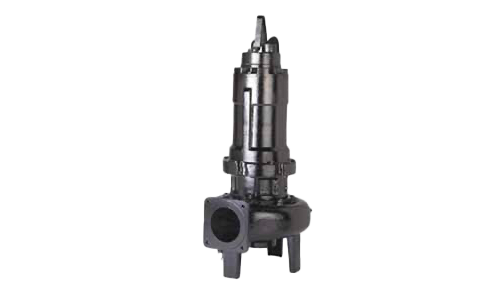
Lift Station Pumps
Moves sewage up to the next gravity line or on to the plant.
Learn more ›
Solids handling
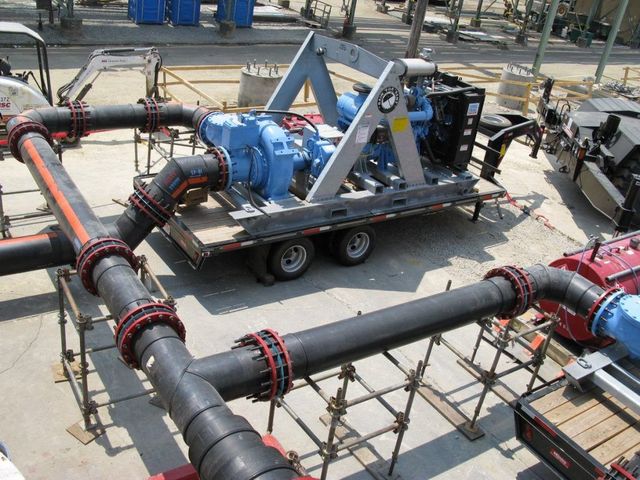
Sewage Bypass Pumps
Keeps sewage moving while a line, station or plant is down for repair.
Learn more ›
Solids handling
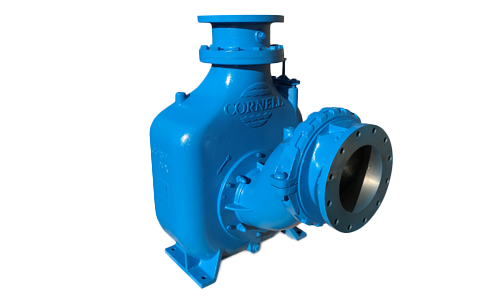
Trash Pumps
Portable pumps for muddy water with rocks, sticks and debris in it. Common on job sites.
Learn more ›
Solids handling
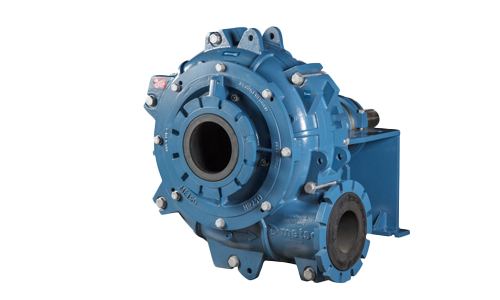
Slurry Pumps
Heavy wet ends in hard metal or rubber for sand, tailings and mine slurry.
Learn more ›
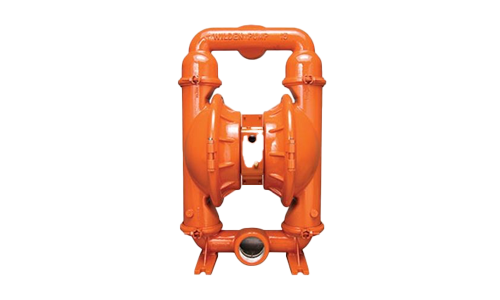
Positive displacement
Diaphragm Pumps
Handles sludge, slurry and chemicals. It primes itself and can run dry.
Learn more ›
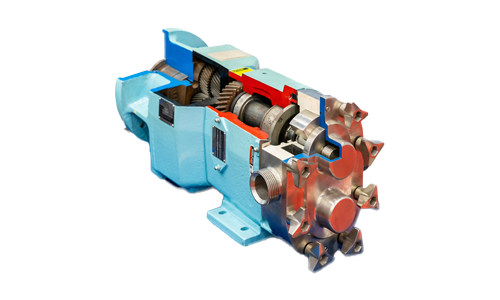
Positive displacement
Rotary Lobe Pumps
Steady flow for sludge, biosolids and thick fluids. The lobes never touch, so solids pass through gently.
Learn more ›
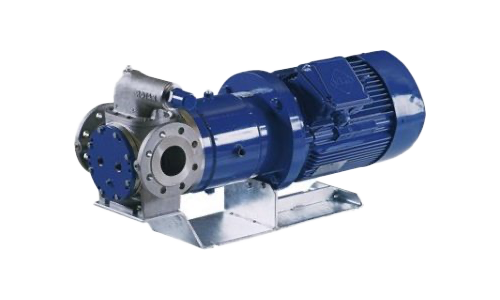
Positive displacement
Gear Pumps
Even flow of oils, fuels, resins and other thick fluids at a steady pressure.
Learn more ›
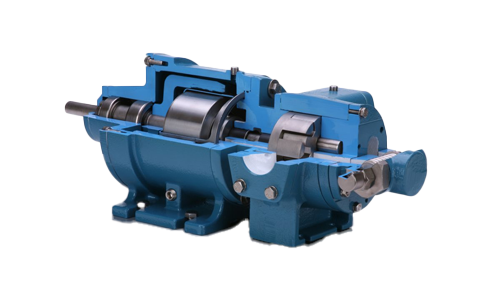
Positive displacement
Mag Drive Pumps
No shaft seal. A magnetic coupling turns the impeller, so there is no seal to leak acids or solvents.
Learn more ›
Not sure which type?
Answer four quick questions and we'll show you where we'd start.
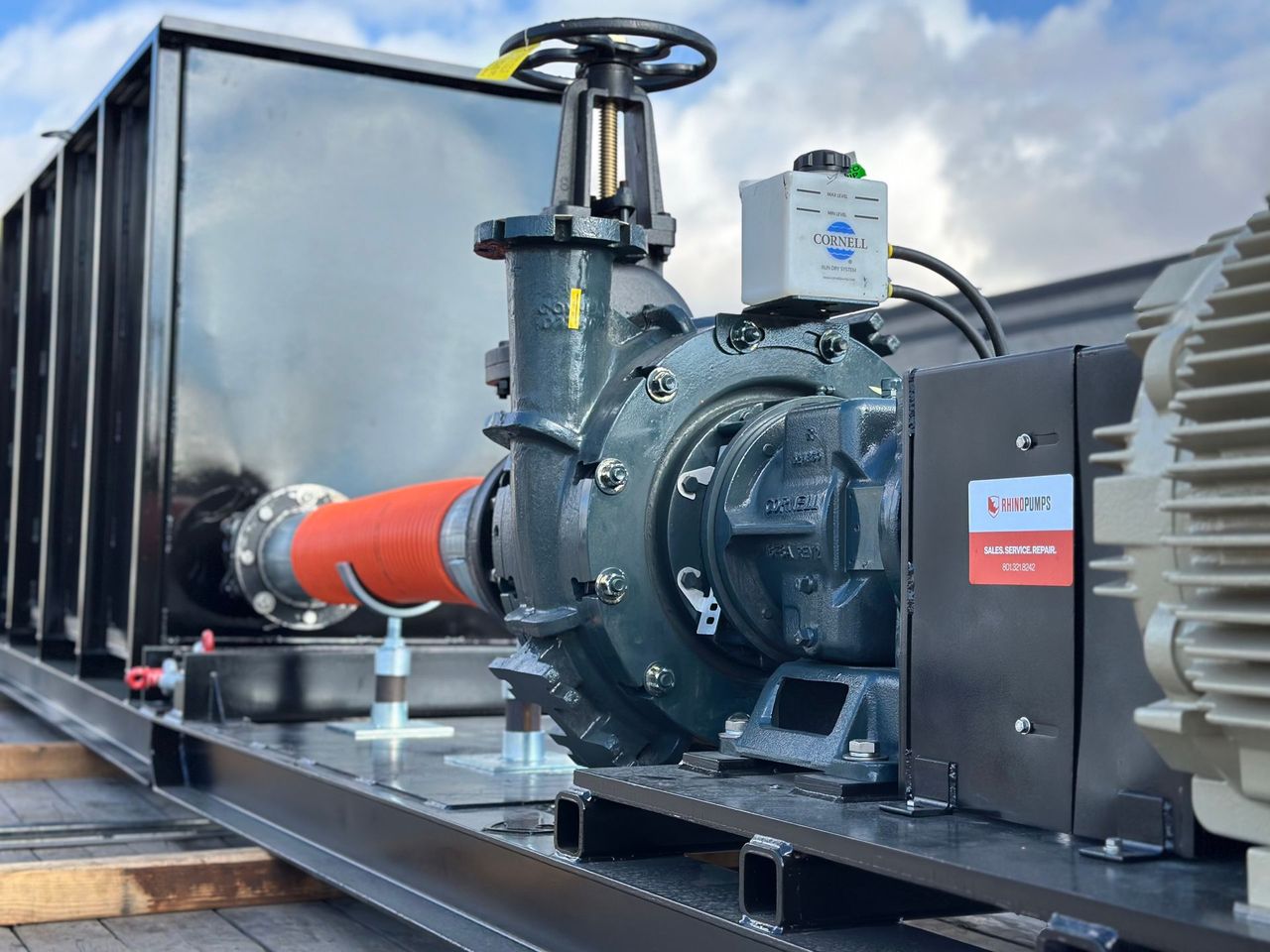
Need more than the pump?
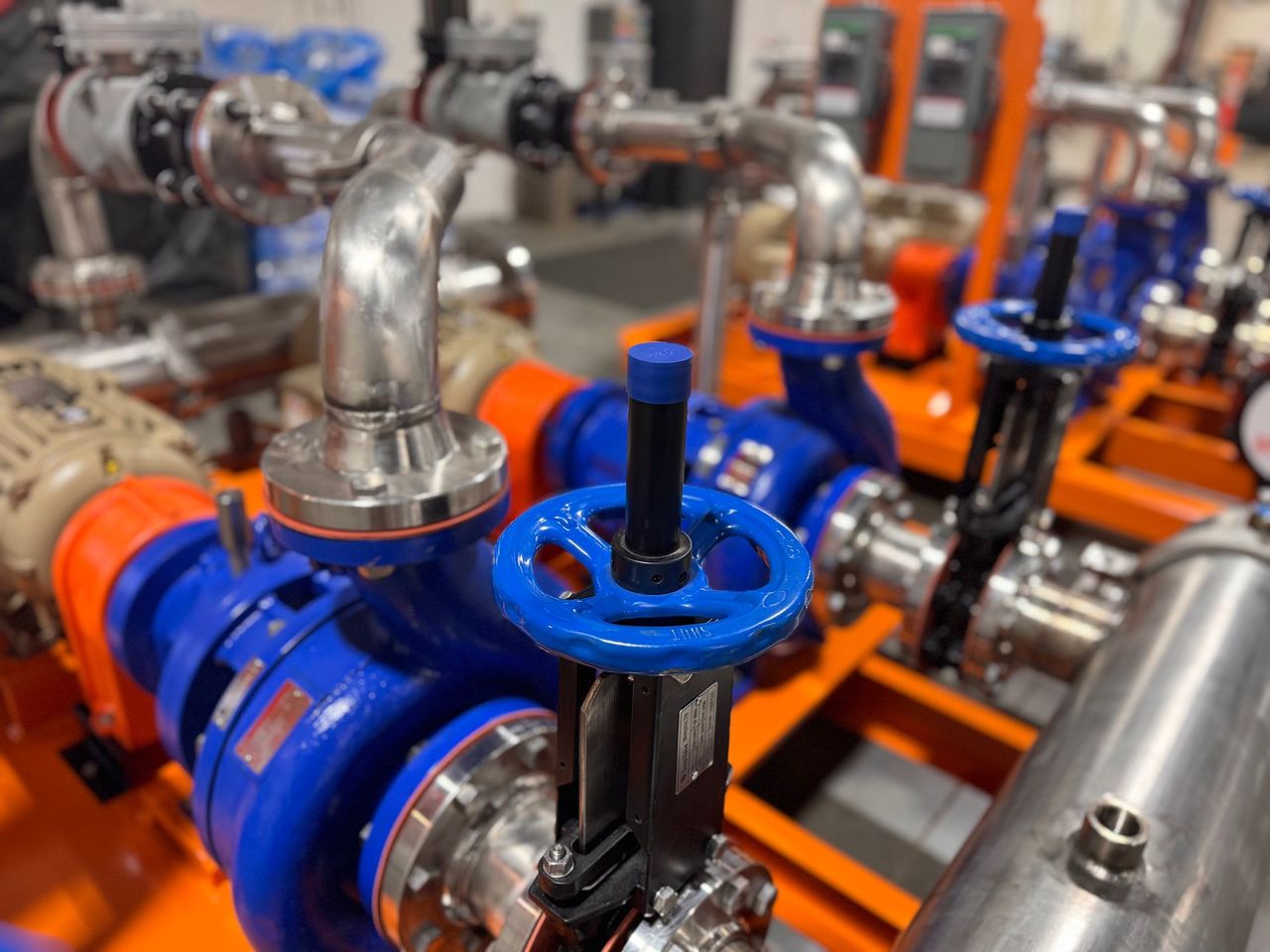
Plenty of jobs only need the pump. When yours needs more, we build it as a RhinoStak pump package, with the pump, motor, piping and valves on one skid. VFDs and controls come from our UL 508A listed panel shop if you want them.
Centrifugal or positive displacement?
Almost every pump on this page falls into one of these two groups. Here's how they behave.
Centrifugal
An impeller spins and throws the liquid outward, building pressure as it goes.
- Flow goes down as pressure goes up
- Works best with water and thin liquids
- Smooth flow and few wearing parts
- Loses efficiency quickly as fluids get thicker
Positive displacement
Lobes, gears or a diaphragm trap a set amount of liquid and push it out on every turn or stroke.
- Flow stays nearly the same as pressure changes
- Works best with sludge, thick fluids and exact dosing
- Pulls a strong suction and primes itself
- Needs relief protection, because it keeps pushing against a closed valve
Pump questions
Does Rhino Pumps’ vertical turbine pump offering suit deep well dewatering in U.S. mining operations?
For mine dewatering, yes. We sell vertical turbine pumps for pit and sump dewatering at mines, size them to your water level and flow, and rebuild them in our own shop when they wear. Rhino doesn't drill or service water wells, so on a dewatering well we supply and rebuild the pump and your well contractor handles the well itself.
Can Rhino Pumps industrial pump systems handle corrosive slurries in municipal facilities?
Yes. With corrosive slurry, the material matters as much as the pump type. We pick the wet end for the chemistry and the solids together, such as a rubber-lined or hard-metal slurry pump, a stainless or duplex alloy pump, or a diaphragm pump for smaller flows. Send us the fluid, the solids content and the pH and we'll tell you what we'd use.
Are Rhino Pumps industrial pump systems appropriate for municipal biosolids processing applications?
Yes. Thickened sludge and biosolids usually go to positive displacement pumps like rotary lobe or diaphragm pumps, which hold a steady flow as the sludge gets thicker. Thinner sludge and scum can often be handled by a solids-handling submersible. We size it to your solids percentage and how many hours it runs.
Does Rhino Pumps offer in-house design for fully custom engineered pump solutions?
Yes. We design and build RhinoStak pump packages in-house, with the pump, motor, piping and valves on one skid. Controls and VFDs come from our UL 508A listed panel shop when the job calls for them, and our machine shop rebuilds the pumps once they're in service.
What's the difference between a centrifugal pump and a positive displacement pump?
A centrifugal pump uses a spinning impeller, and its flow changes as the pressure changes. A positive displacement pump moves a set amount of liquid on every turn or stroke, so its flow stays about the same. Centrifugal pumps suit water and thin liquids. Positive displacement pumps suit sludge, thick fluids and dosing.
How do I know which type of pump I need?
Start with what you're pumping and where the pump has to sit, then the flow and head you need. The Pump Finder on this page gets you a starting point in four questions. If you don't have the numbers, request a Pump Audit and we'll come out and get them.
Where does Rhino Pumps work?
Utah, Idaho, Nevada, Arizona, Washington and Colorado, with other states case by case.
Send us your job
Fill out the form and tell us about the job in the message box. The Rhino rep for your area will follow up.
Your answers from the Pump Finder:
Not sure what you need yet? Request a Pump Audit. We work in Utah, Idaho, Nevada, Arizona, Washington and Colorado, with other states case by case.