Wastewater Pump Systems Without Wet Wells: A Complete Guide

April 3, 2026
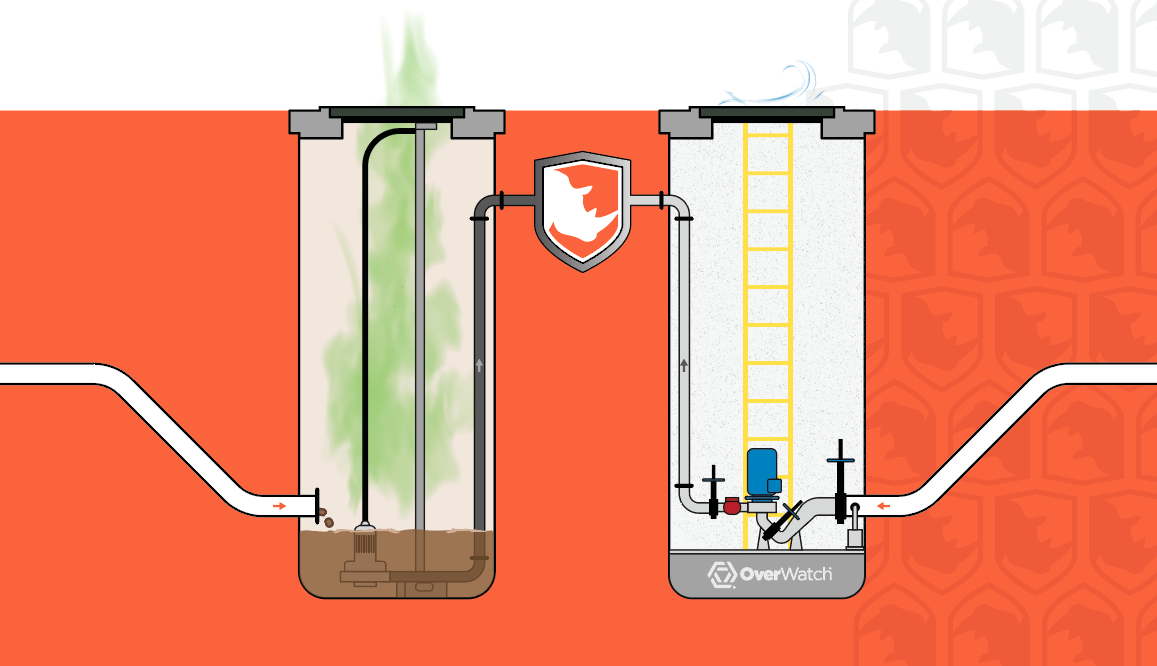
A diagram of a pump with stainless steel level sensor and hydraulic body

Why Traditional Wet Well Pump Systems Fail

For decades, wet wells have been the default foundation of wastewater pump stations. But widespread use does not mean they are the best option. For many operators, wet wells have become one of the most expensive and hazardous components in their entire system.


Wet wells are underground tanks designed to collect wastewater before it is pumped forward. In practice, they create a cascade of ongoing problems:


Hydrogen sulfide gas buildup forms as wastewater sits in the tank, causing persistent odor complaints and long-term corrosion of concrete and metal components.


Ragging and debris accumulation clogs pumps and forces frequent maintenance interventions, often at the worst possible times.


Confined space entry requirements expose workers to serious safety risks every time the system needs inspection or repair.


Unpredictable operating conditions caused by fluctuating wastewater levels make it difficult to maintain consistent pump performance.


The result is a system that demands constant monitoring, cleaning, and repair, and one that still fails in ways that can cause overflows, shutdowns, and regulatory violations.

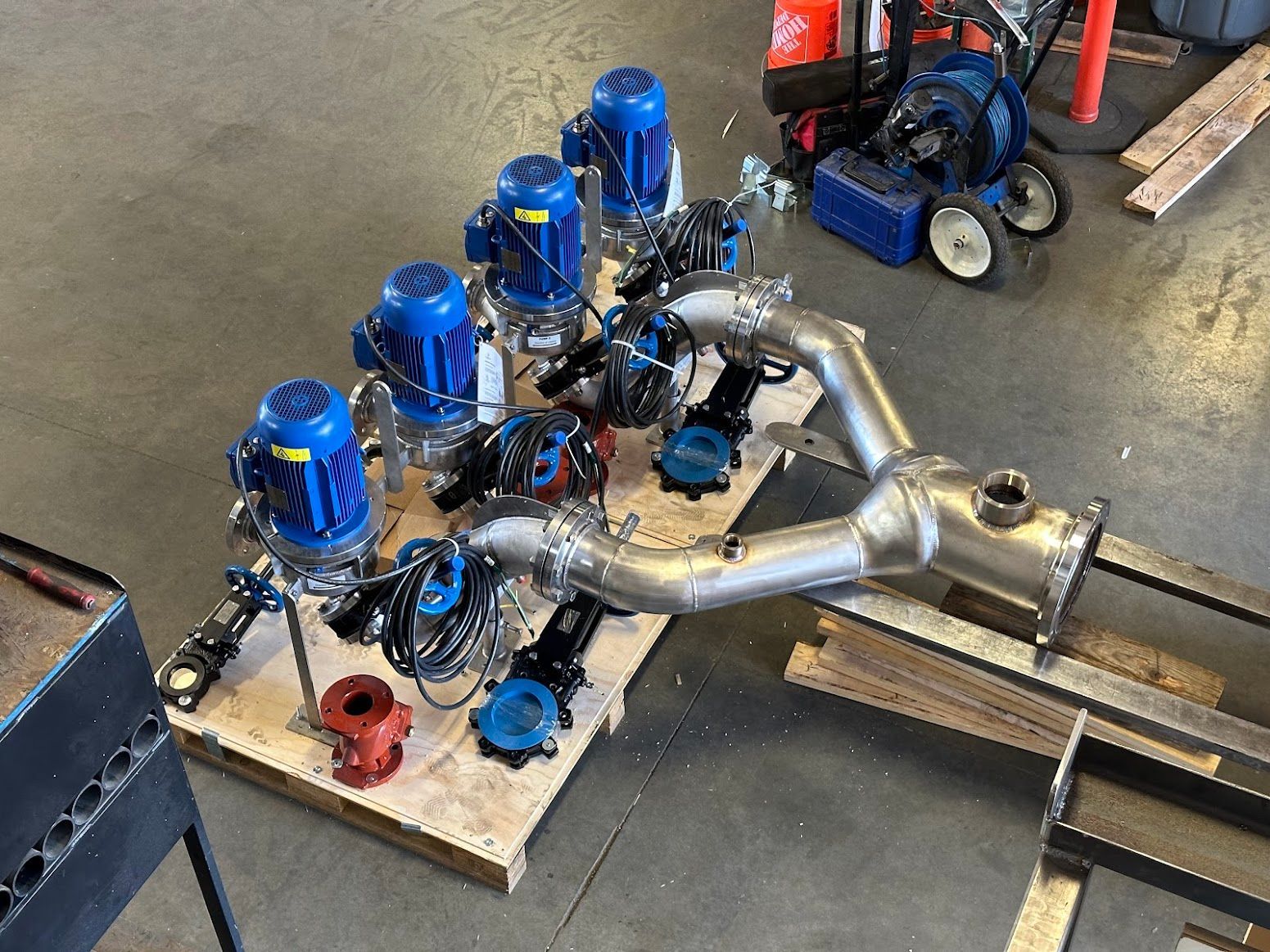
A bunch of stainless steel pipes are sitting on a wooden pallet.

What Is a Wet Well-Free Wastewater Pump System?

A wet well-free wastewater pump system eliminates the underground collection tank entirely. Instead of holding wastewater below grade and waiting for it to reach a trigger level, the system moves wastewater directly from entry to discharge through a controlled, continuous flow path.


This approach removes the root cause of most wet well problems: stagnant wastewater. Without standing water, there is no gas accumulation, no ragging buildup in a confined tank, and no confined space for workers to enter.


The core benefits of a wet well-free design include:

  • Dramatically reduced hydrogen sulfide gas and odor
  • Fewer clogging events and lower maintenance frequency
  • Improved worker safety with no confined space entry required
  • More predictable, stable pump operation
  • Lower long-term operating costs


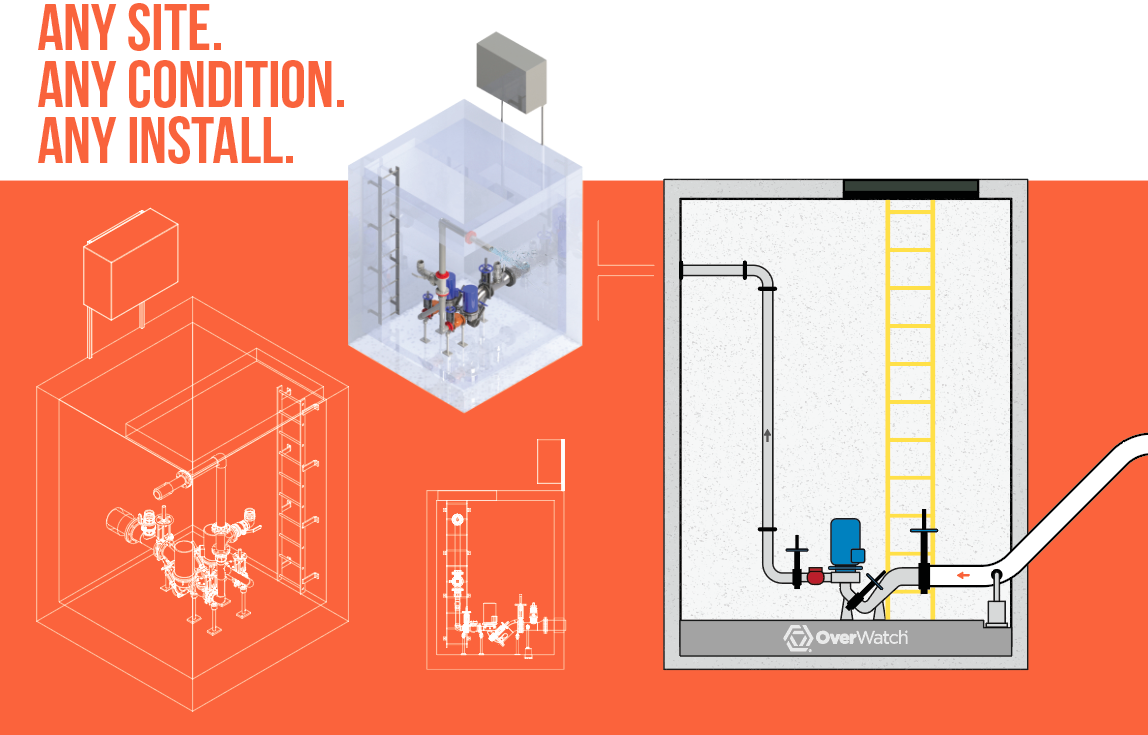
A diagram of a pump with stainless steel level sensor and hydraulic body

How OverWatch by Rhino Pumps Eliminates the Wet Well

OverWatch is Rhino Pumps' answer to the wet well problem. It replaces the traditional collection tank with a controlled flow path that keeps wastewater moving at all times, from system entry through to final discharge.


The system is engineered to handle real-world wastewater conditions including solids, rags, and debris without the failure modes that plague conventional lift stations.

OverWatch Impeller Options

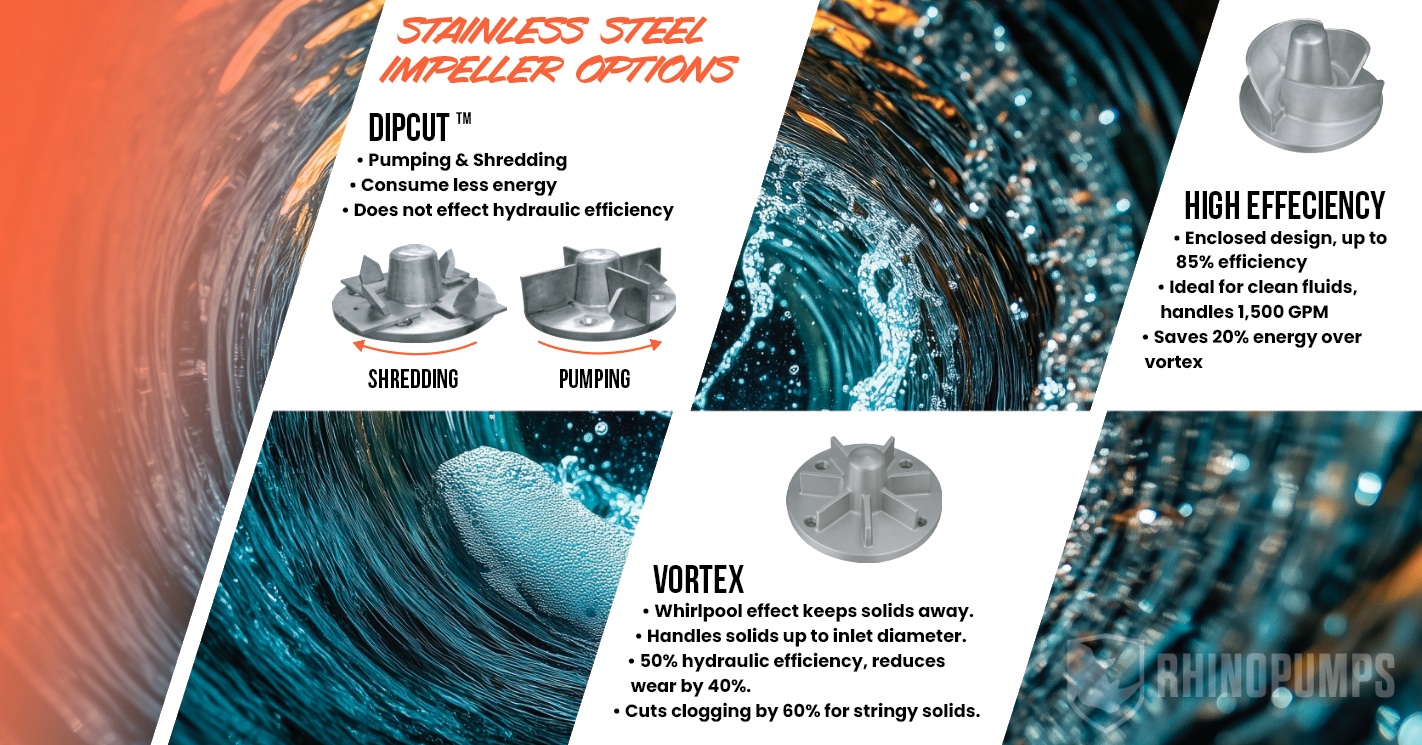
A diagram of a pump with stainless steel level sensor and hydraulic body

One of the key strengths of OverWatch is its flexibility across different wastewater streams. Three impeller configurations allow the system to be matched precisely to the application:


DIPCUT impeller: Designed to cut through debris and fibrous materials. Operates at 70% efficiency and is well-suited for high-rag environments.


Vortex impeller: Processes solids up to the same diameter as the pipe inlet without direct contact between the solids and the impeller. Operates at 50% efficiency and excels in high-solids applications.


High-efficiency impeller: Optimized for high-volume, lower-solids flows. Supports flow rates up to 1,500 gallons per minute at 85% efficiency.


This range of impeller options means OverWatch can be configured for municipal lift stations, commercial developments, industrial facilities, and everything in between.

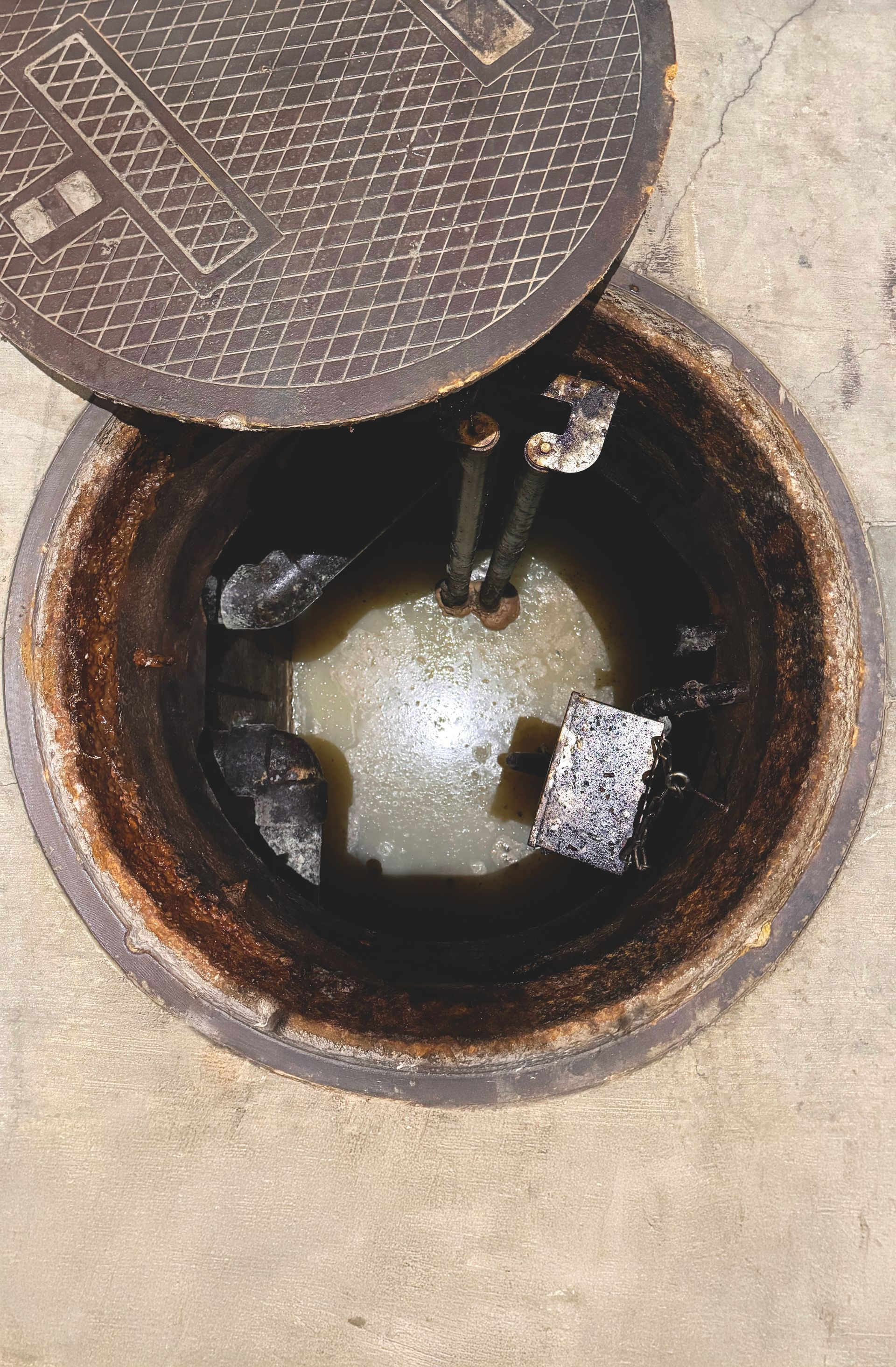
A manhole cover is open and filled with water.
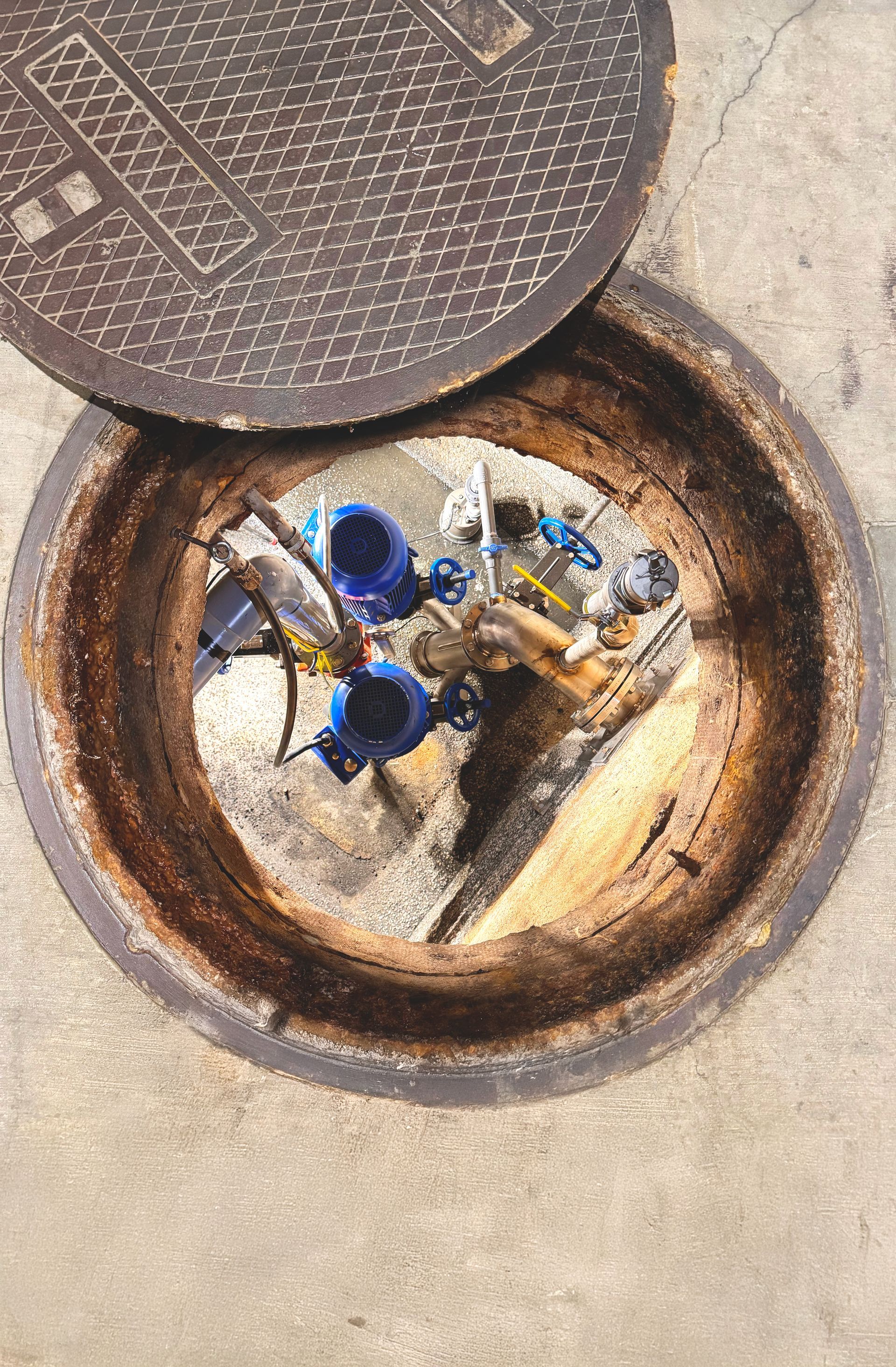
A manhole cover with a pump system inside of it.

Real-World Results: City Creek Mall, Utah

The OverWatch system was recently installed at City Creek Mall in Utah, replacing a traditional wet well configuration that had been causing reliability and maintenance issues.


The results after installation were immediate and measurable:

  • Zero overflows since installation
  • Zero clogging events requiring intervention
  • Zero unplanned downtime


For a commercial environment where a wastewater failure means business disruption and potential health code violations, this level of reliability is a significant operational upgrade.

OverWatch vs. Traditional Lift Station: Key Differences

Traditional Wet Well OverWatch (Wet Well-Free)
Wastewater storage Held below grade Continuous flow, no storage
H₂S gas risk High Significantly reduced
Clogging risk High Low
Confined space entry Required Eliminated
Maintenance frequency High Low
Worker safety risk Elevated Minimized
Flow capacity Variable Up to 1,500 GPM
A diagram of a pump with stainless steel level sensor and hydraulic body

Who Should Consider a Wet Well-Free Pump System?

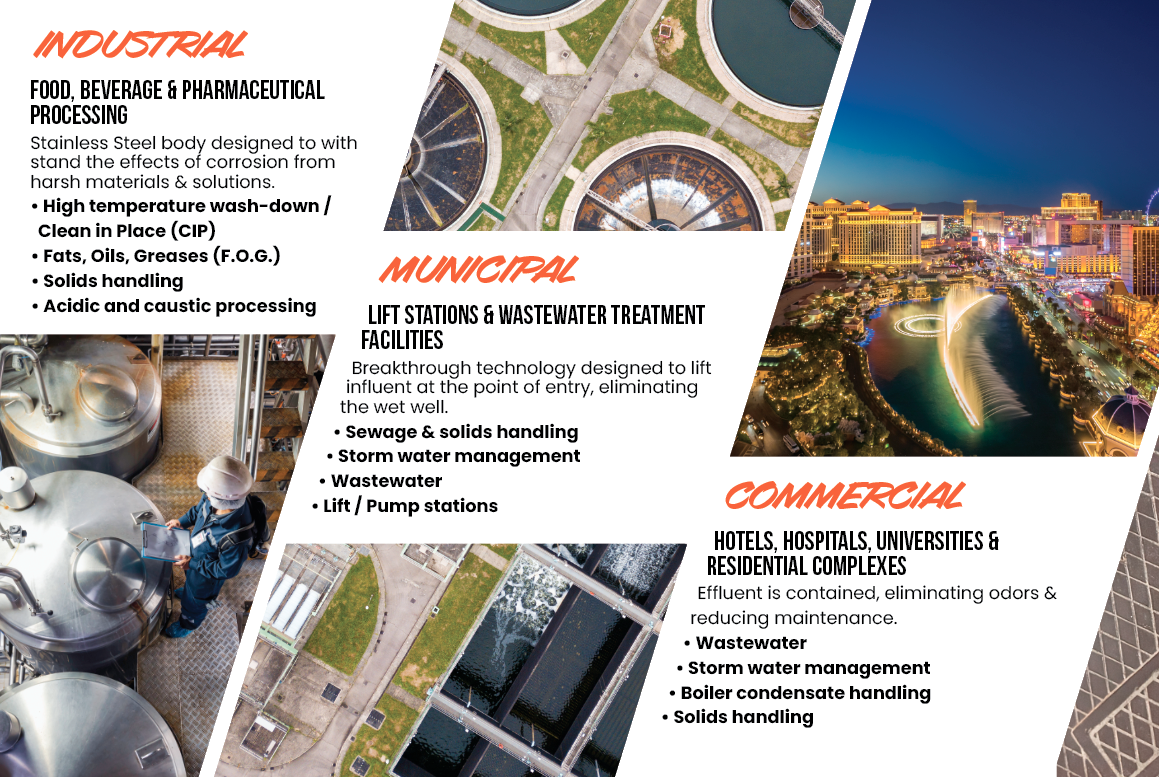
OverWatch is a strong fit for any project or facility where traditional wet well performance has been a problem, or where operators want to avoid those problems from the start.

Municipal and Public Works Applications

Aging lift stations with chronic clogging, odor complaints, or confined space incidents are prime candidates for OverWatch conversion. Many municipalities are also facing increasing regulatory scrutiny around overflows and hydrogen sulfide emissions, making a wet well-free design a compliance advantage.

Commercial and Mixed-Use Developments

New commercial developments including shopping centers, hospitality properties, and mixed-use sites benefit from OverWatch's low-maintenance footprint and reliable uptime. The City Creek Mall installation is a direct example of this application.

Industrial Facilities

Facilities with high-solids or high-rag wastewater streams, such as food processing plants, manufacturing sites, and hospitality kitchens, often struggle with conventional pump systems. OverWatch's DIPCUT and vortex impeller options address these conditions directly.

Frequently Asked Questions: Wet Well-Free Wastewater Systems

  • Can OverWatch replace an existing wet well system?

    Yes. OverWatch is designed to integrate into both new construction and retrofit applications. Rhino Pumps works with each customer to design a configuration that matches the existing site conditions and flow requirements.

  • How does OverWatch handle high-solids wastewater?

    The vortex impeller option processes solids up to the diameter of the pipe inlet without direct contact, significantly reducing wear and clogging risk compared to standard impeller designs.

  • What flow rates can OverWatch handle?

    Depending on the impeller configuration selected, OverWatch handles flows from smaller residential and commercial applications up to 1,500 gallons per minute with the high-efficiency impeller.

  • Does eliminating the wet well reduce odor complaints?

    Yes. Hydrogen sulfide gas and odor are primarily generated when wastewater sits stagnant. By keeping wastewater in continuous motion, OverWatch significantly reduces gas accumulation and the odor problems that come with it.

Upgrade to a Wastewater Pump System Without a Wet Well

Wet well technology is a legacy solution with well-documented failure modes. OverWatch from Rhino Pumps offers a modern alternative that removes the underground tank, eliminates the conditions that cause clogging and gas buildup, and delivers more reliable, safer, lower-maintenance wastewater management.


If your current system is dealing with chronic clogging, odor issues, worker safety concerns, or unplanned downtime, it may be time to eliminate the wet well entirely.


Contact Rhino Pumps to discuss your application and get a custom OverWatch system design for your site.

Continue Learning About Pump Systems and Performance

A row of yellow pipes are lined up in a factory.
March 30, 2026
Learn how to size an industrial pump correctly, covering TDH, NPSH, pump curves, and BEP selection. Expert sizing support from Rhino Pumps.
A group of people are working on a machine in a room.
March 19, 2026
Grinding noise, seal leaks, vibration, low flow — learn the 10 most common industrial pump problems, their causes, and how to fix them fast.
Two rectangular water pools, one blue, one teal, on a brown landscape, a road, and a gravel area.
January 15, 2026
Explore how geothermal energy works and how Rhino Pumps supports the Utah FORGE project in Milford with advanced pumping systems for high-performance energy capture.
Two blue-topped motors attached to angled metal pipes, standing outside in daylight.
September 3, 2025
Discover what makes a pump system smart and how OverWatch technology helps monitor, control, and optimize your pump station performance.
Pump system on an orange skid with blue motors and silver pipes and valves
September 2, 2025
Discover why modular RhinoStak pump systems deliver ROI, efficiency, and scalability for industrial sites.
Industrial machinery with blue valves and silver pipes in a workshop setting.
August 5, 2025
Explore how modular RhinoStak systems outperform traditional duplex pump stations in scalability, efficiency, & ease of installation. Municipal & industrial
Show More