Harnessing Geothermal Energy in Utah How Rhino Pumps Supports the FORGE Project in Milford

January 15, 2026

What Is Geothermal Energy and How Does It Work

Geothermal energy taps into the Earth’s natural heat to produce renewable power. This heat, stored beneath the surface in hot rock formations and fluid reservoirs, can be harnessed to generate electricity or provide direct heating. Unlike solar or wind, geothermal provides consistent, around-the-clock energy without being weather-dependent.


There are several types of geothermal systems, including:

  • Shallow geothermal for heating and cooling buildings
  • Hydrothermal systems that use hot water from underground reservoirs
  • Enhanced Geothermal Systems (EGS), where engineered fractures allow water to circulate through hot rock, even in areas without natural reservoirs


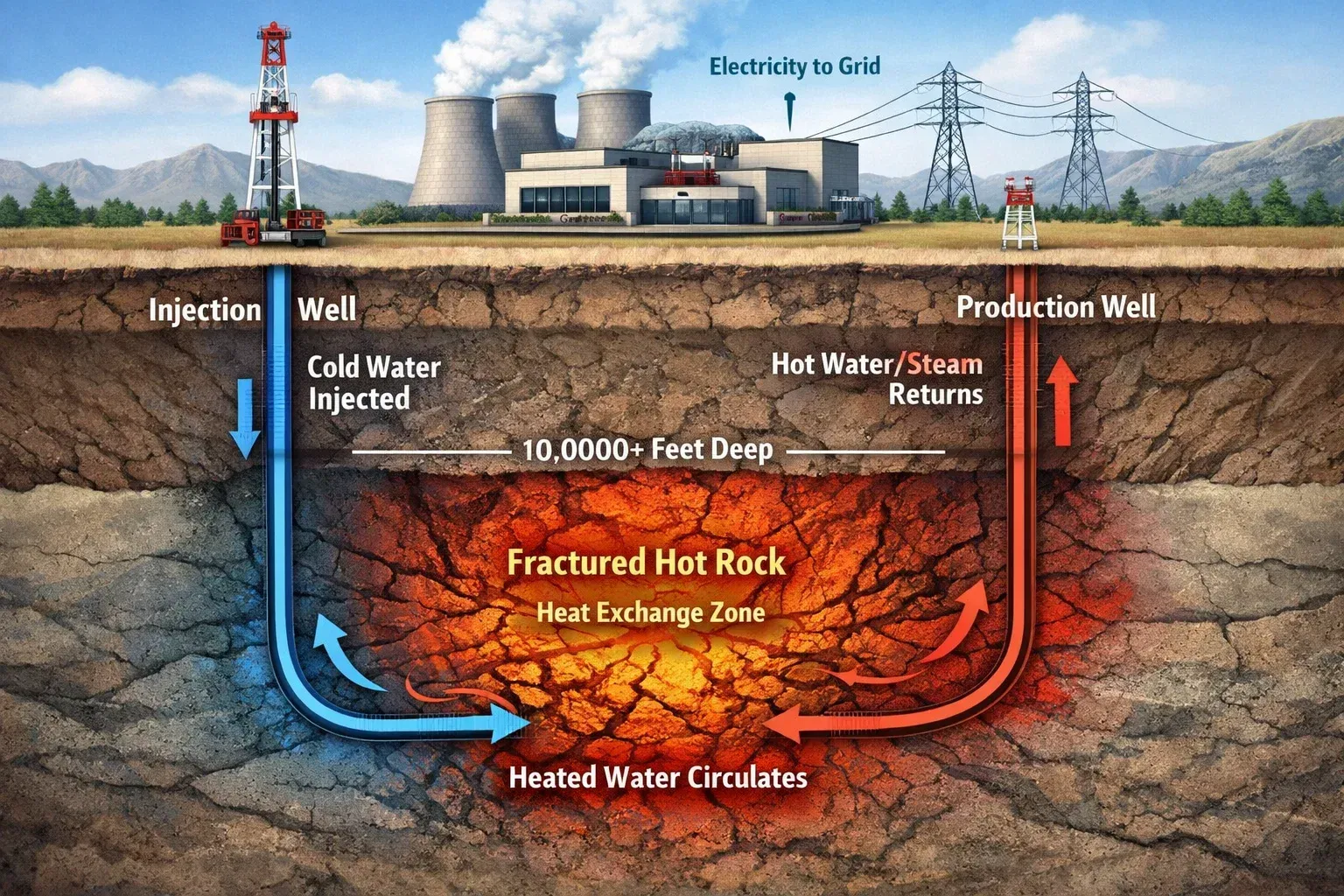
Diagram of an enhanced geothermal system with injection and production wells circulating water through fractured hot rock

What Is the Utah FORGE Project and Why It Matters

The Utah FORGE project (Frontier Observatory for Research in Geothermal Energy) is a U.S. Department of Energy initiative located near Milford, Utah. It is a first-of-its-kind field laboratory dedicated to advancing Enhanced Geothermal Systems.


The goal of FORGE is to show that EGS can work in regions without natural hydrothermal activity, opening up geothermal potential across the entire U.S., not just in hot zones like California or Nevada.


FORGE has drilled wells more than 10,000 feet into hot granite to create and test an engineered reservoir, where water is injected under high pressure, heated by the rock and brought back to the surface. That is how enhanced geothermal systems are meant to produce electricity.


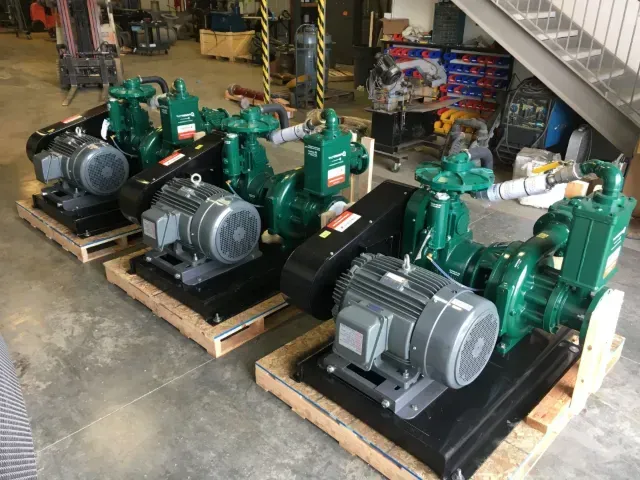
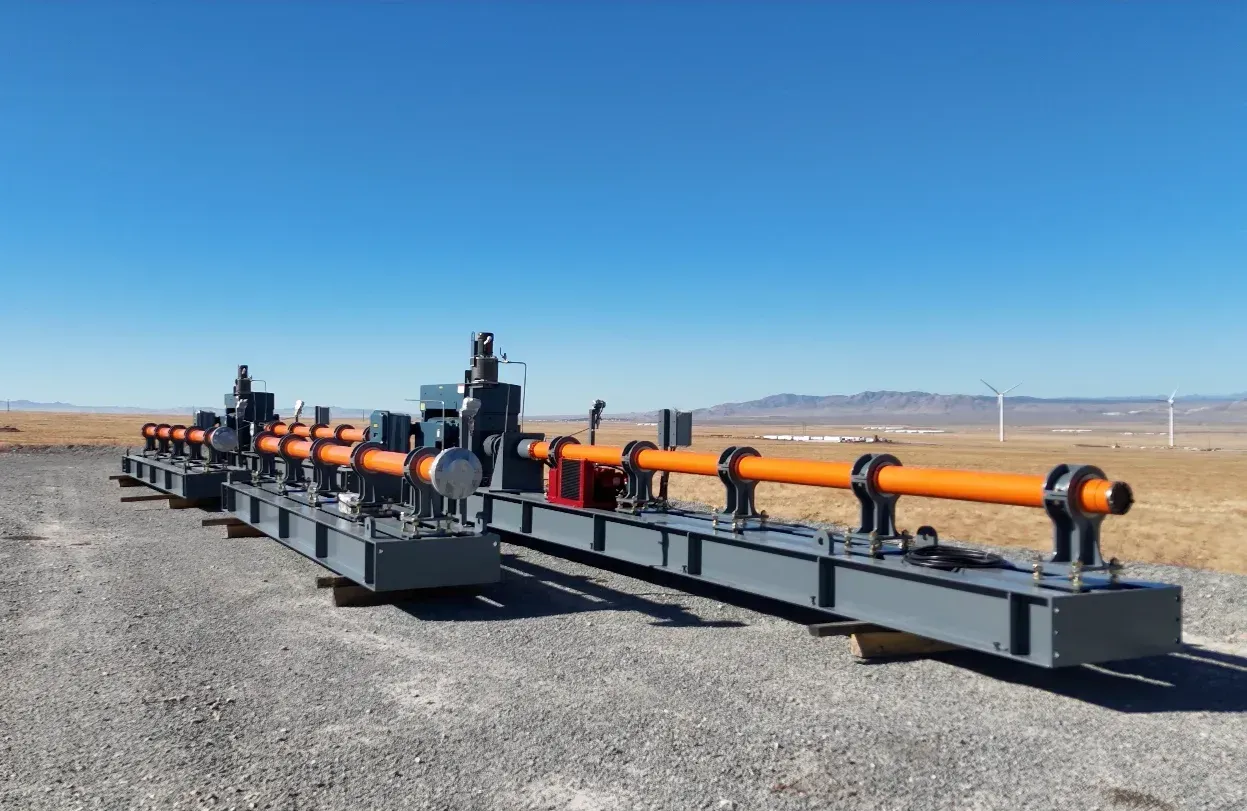
Flowline racks at the Utah FORGE geothermal site near Milford

How Pumps Make Geothermal Energy Possible

Pumps are critical to every stage of geothermal development, especially in EGS. Their roles include:

  • Injecting water into hot rock formations under extreme pressure
  • Circulating superheated fluid to surface systems
  • Maintaining continuous high-flow rates despite challenging temperatures and depths


These systems demand specialized high-pressure, high-volume pumps that can operate under thermal and mechanical stress without failure.

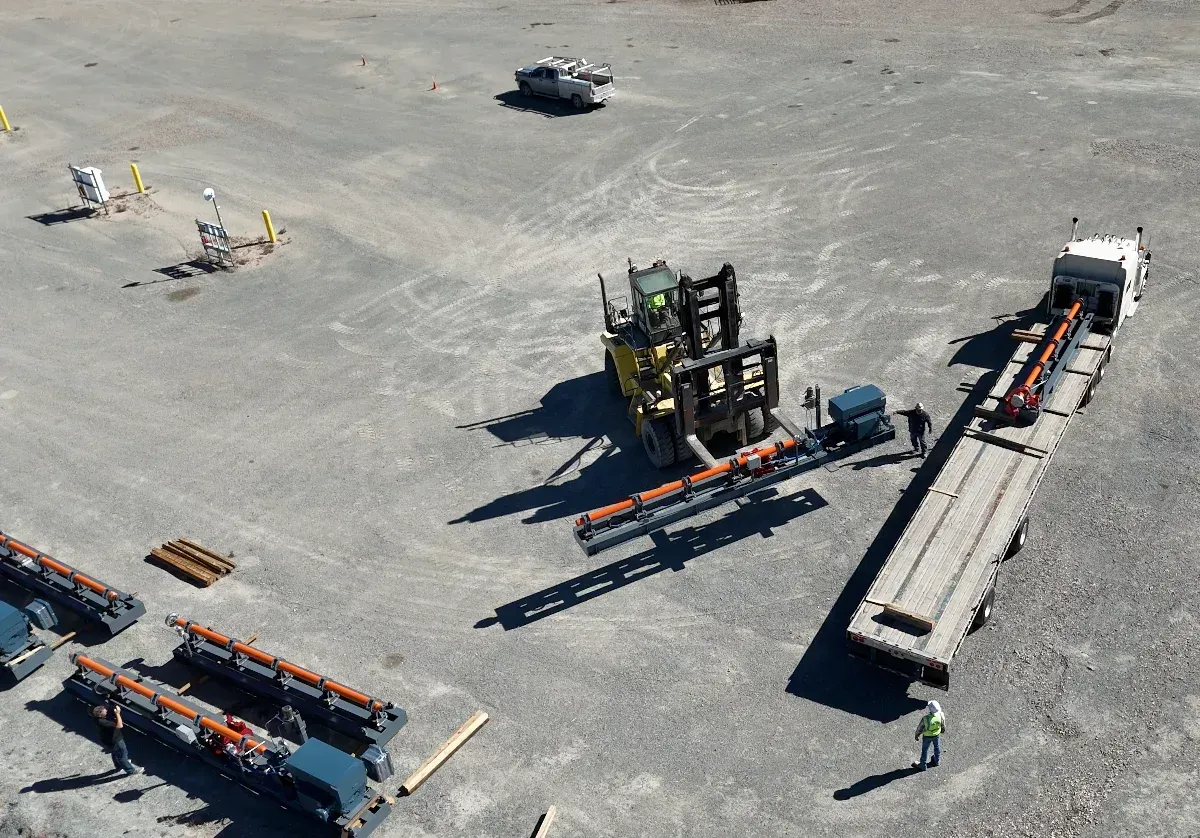
Aerial view of a geothermal project site in the Utah desert

Rhino Pumps’ Role in the Utah FORGE Project

Levare's Horizontal Pumping System (HPS) technology was selected to provide the high pressure fluid injection FORGE uses for reservoir pressure transient testing. Rhino Pumps was Levare's partner on the project, providing:

  • Application engineering, matching the HPS units to the injection duty
  • System sizing, working with the Utah FORGE engineers so the system met the project's technical requirements
  • Field support from our Utah team


Pushing water into hot granite at high pressure is hard on equipment, and the data from those tests helps show whether enhanced geothermal can work at scale. See how we approach surface pumping for geothermal projects on our geothermal pumps page.

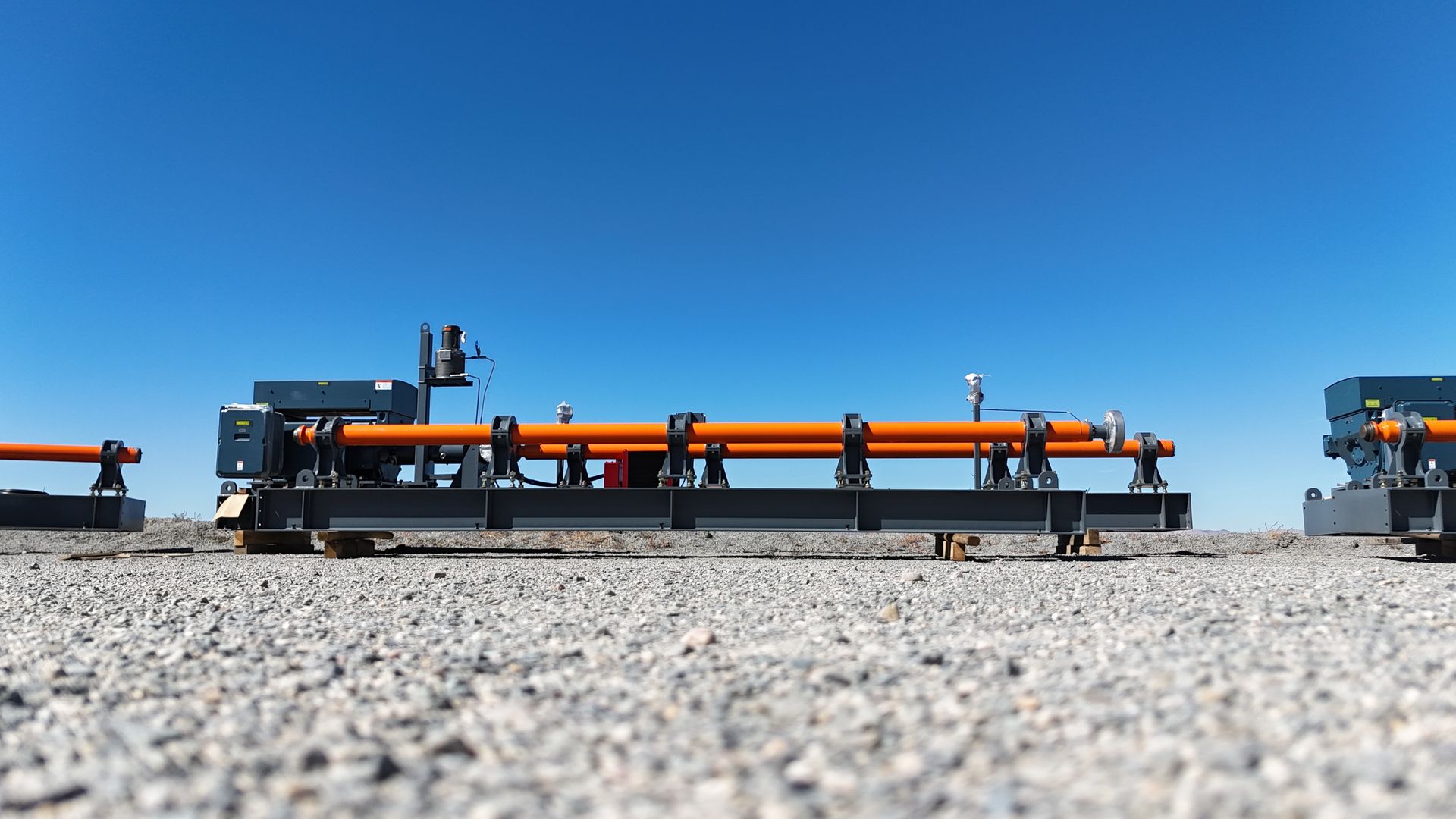
Pipe racks and surface equipment at a Utah geothermal site

Why Geothermal Energy Matters for the West

Utah, Nevada, and Idaho have enormous geothermal potential, both from hydrothermal sources and enhanced geothermal zones. As demand for carbon-free, base-load energy increases, geothermal offers a compelling solution:

  • Constant energy production
  • Low emissions
  • Minimal land use
  • Long asset life and grid stability


With projects like FORGE demonstrating what’s possible, Rhino Pumps is positioned to support a new wave of geothermal innovation across the western U.S.

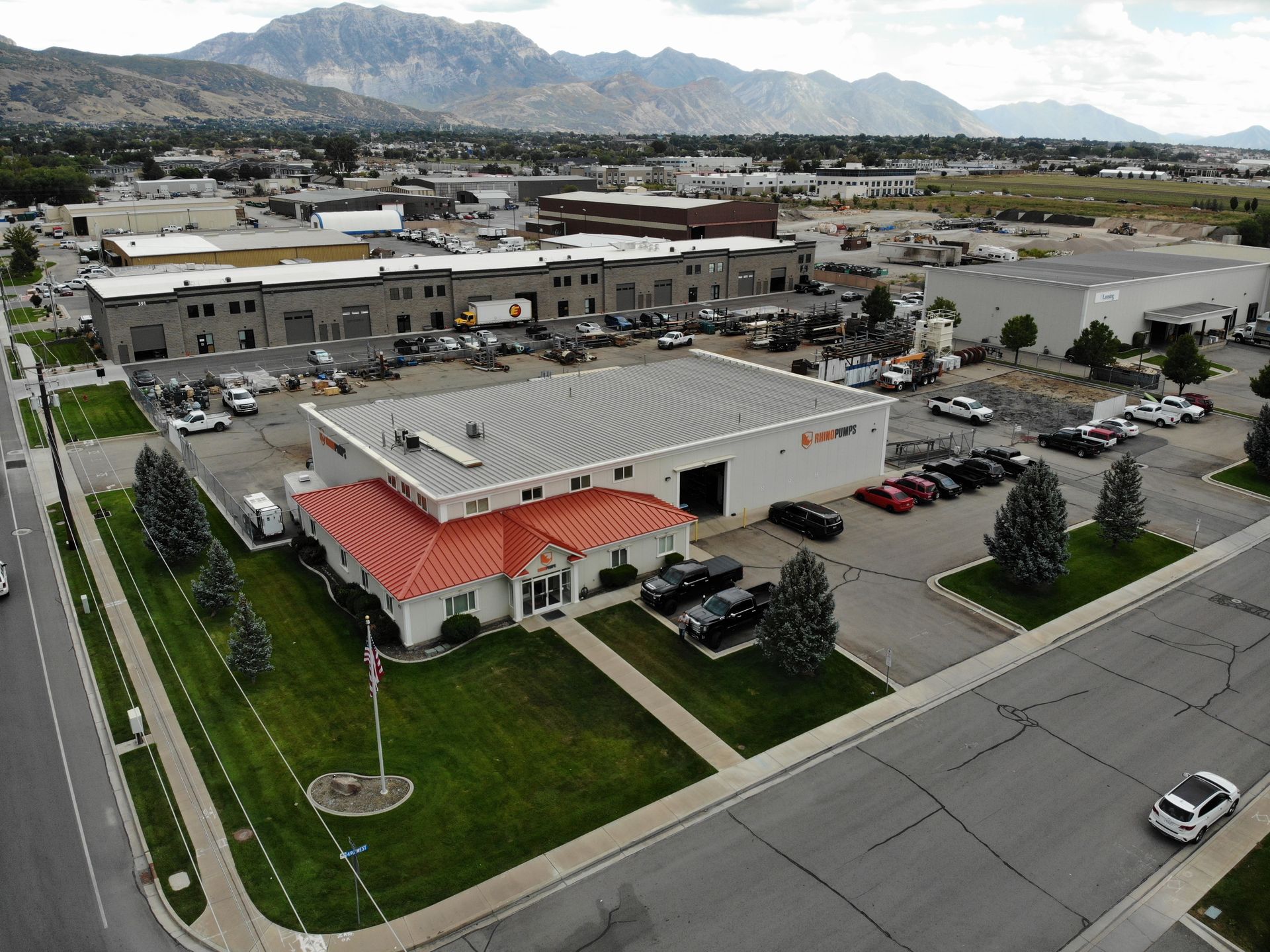
Aerial view of the Rhino Pumps headquarters in Pleasant Grove, Utah

Learn More About Rhino Pumps’ Energy Capabilities

From traditional municipal water systems to advanced renewable energy projects, Rhino Pumps delivers custom-engineered pump solutions that meet the highest demands. Our work on the FORGE project is part of a broader effort to support:

  • Energy independence
  • Infrastructure modernization
  • Regional economic growth through innovation


Contact Rhino Pumps to learn more about our role in renewable energy and how we can support your next infrastructure or energy project.


Continue Learning About Pump Systems and Performance

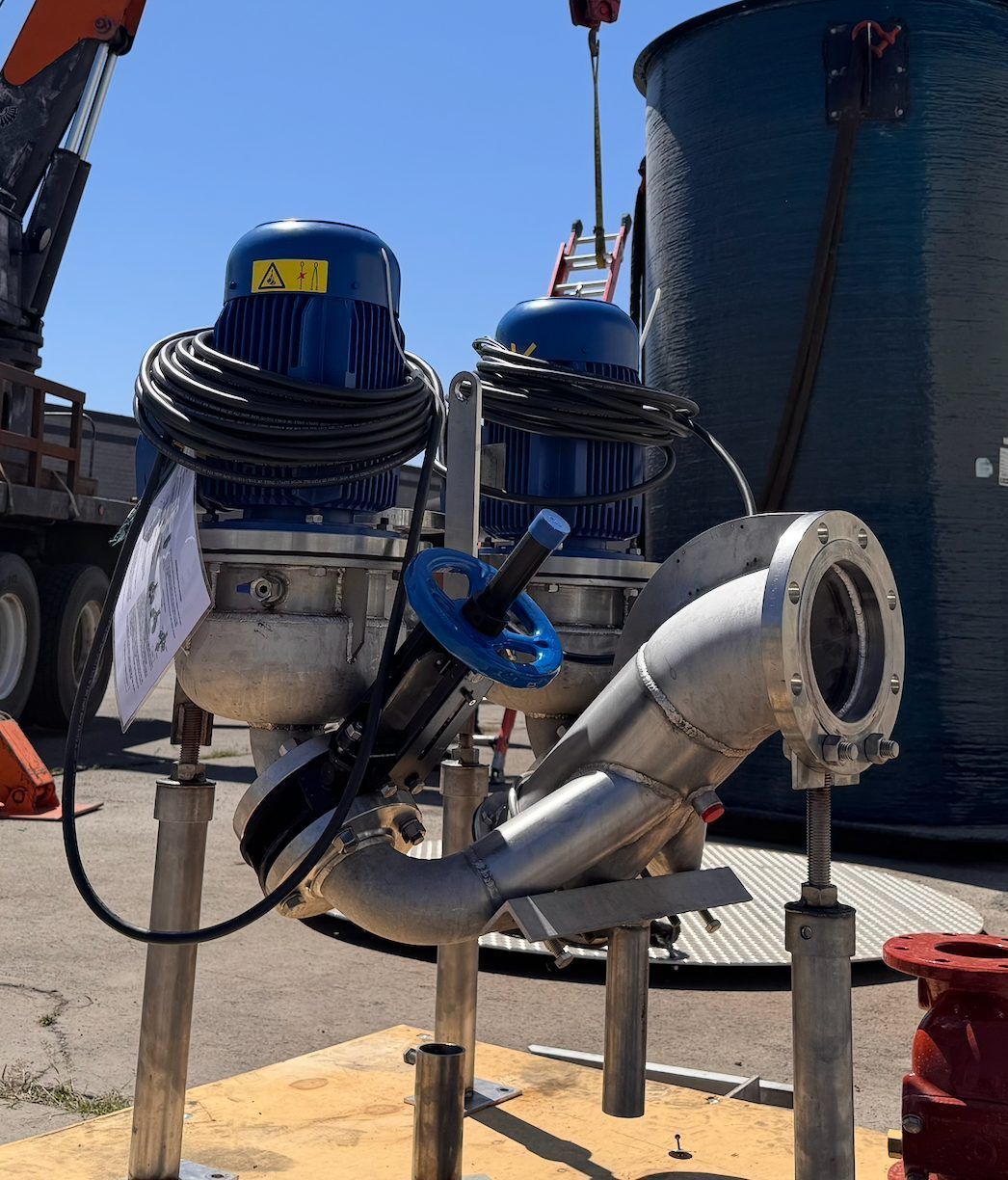
Two pumps with blue motors on angled piping at an outdoor wastewater pump station
By Casey Cozzens • October 9, 2026
Compare gravity, pressure and vacuum sewers with lift station designs, including in-line pumping with no wet well, to find the right fit for a small city.

A pump quotation with a short priced scope and an exclusions list running off the bottom of the page
By Casey Cozzens • September 11, 2026
A quote is a scope with a price attached. What often sits outside a vertical turbine pump quote, and why the purchase price is about a tenth of the cost.
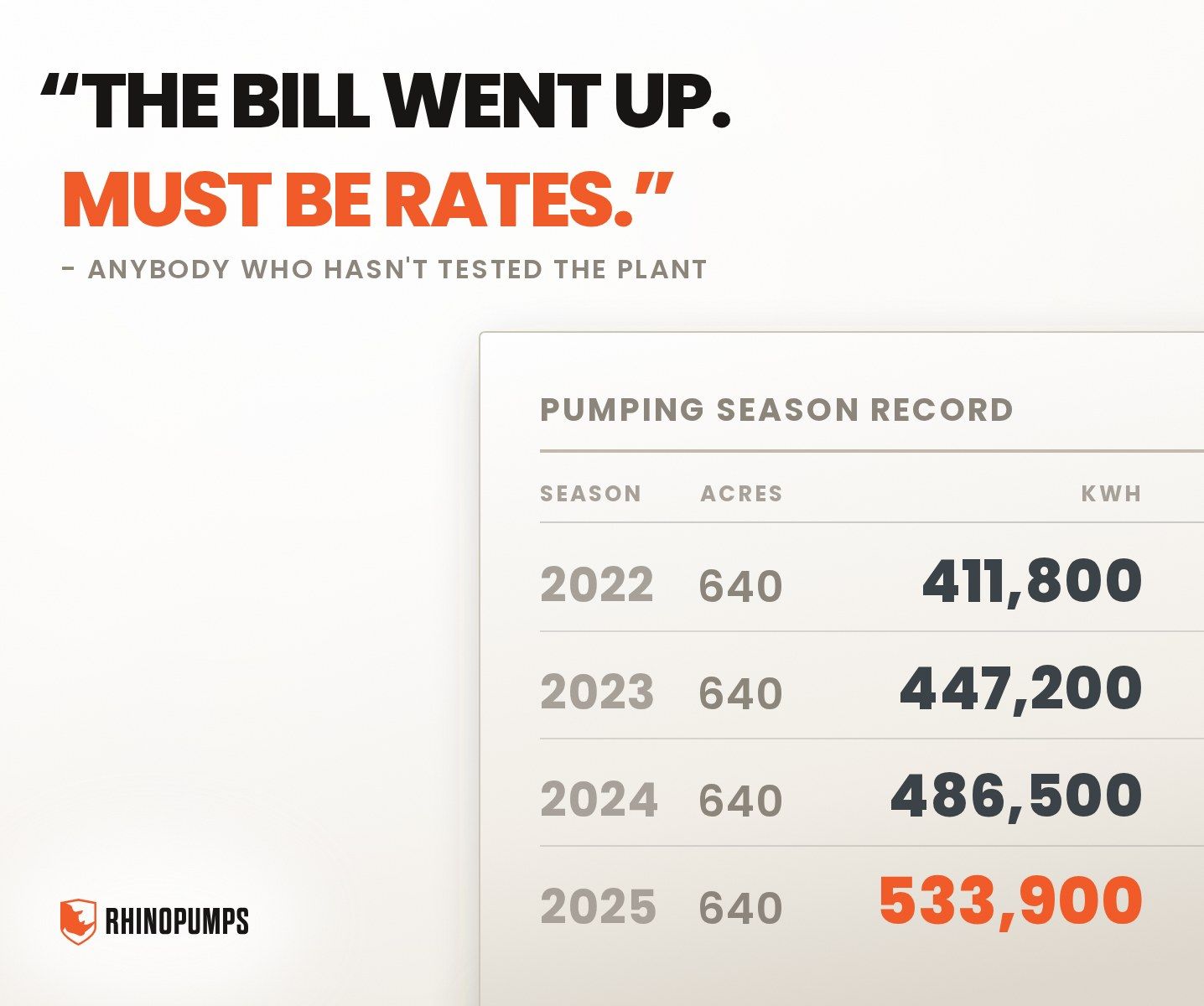
A four season irrigation record showing acreage flat at 640 while kilowatt hours climb each year
By Casey Cozzens • September 11, 2026
Flat acreage and a power bill that keeps climbing is rarely about rates. What a pumping plant efficiency test measures and what 63.2% of standard means.

A permit renewal application stamped RECEIVED in March 2021 with nothing filed after it
By Casey Cozzens • September 11, 2026
A tighter discharge limit is a hydraulic instruction with someone else's deadline on it. What treatment does to your head, your materials and your clock.

Six puzzle pieces with only the pump piece in place, the rest of the package still loose
By Casey Cozzens • September 11, 2026
The pump is rarely the long pole. What actually runs long in a pump package, and the sequencing mistake that costs more weeks than any single lead time.

Machined rule with a single scribed mark, the one flow an irrigation pump was sized for
By Casey Cozzens • September 11, 2026
Your delivery is a range whether you specified for one or not. How to size an irrigation pump for a moving duty, and what throttling one down really costs.
Show More