
RhinoStak vs Duplex Pumping Stations Modular Solutions for Smarter Pumping

August 5, 2025

Why Duplex Pumping Stations Are Being Rethought

Duplex pumping stations, which use two alternating pumps in a wet well, have long been the standard in municipal and light industrial water systems. While functional, they come with notable challenges.

  • Extended installation and coordination timelines
  • Limited flexibility for future expansion
  • Frequent electrical and control panel issues
  • Increased maintenance costs and risk of system failure


As infrastructure demands evolve and labor becomes harder to source, organizations are looking for smarter, faster, and more adaptable alternatives.

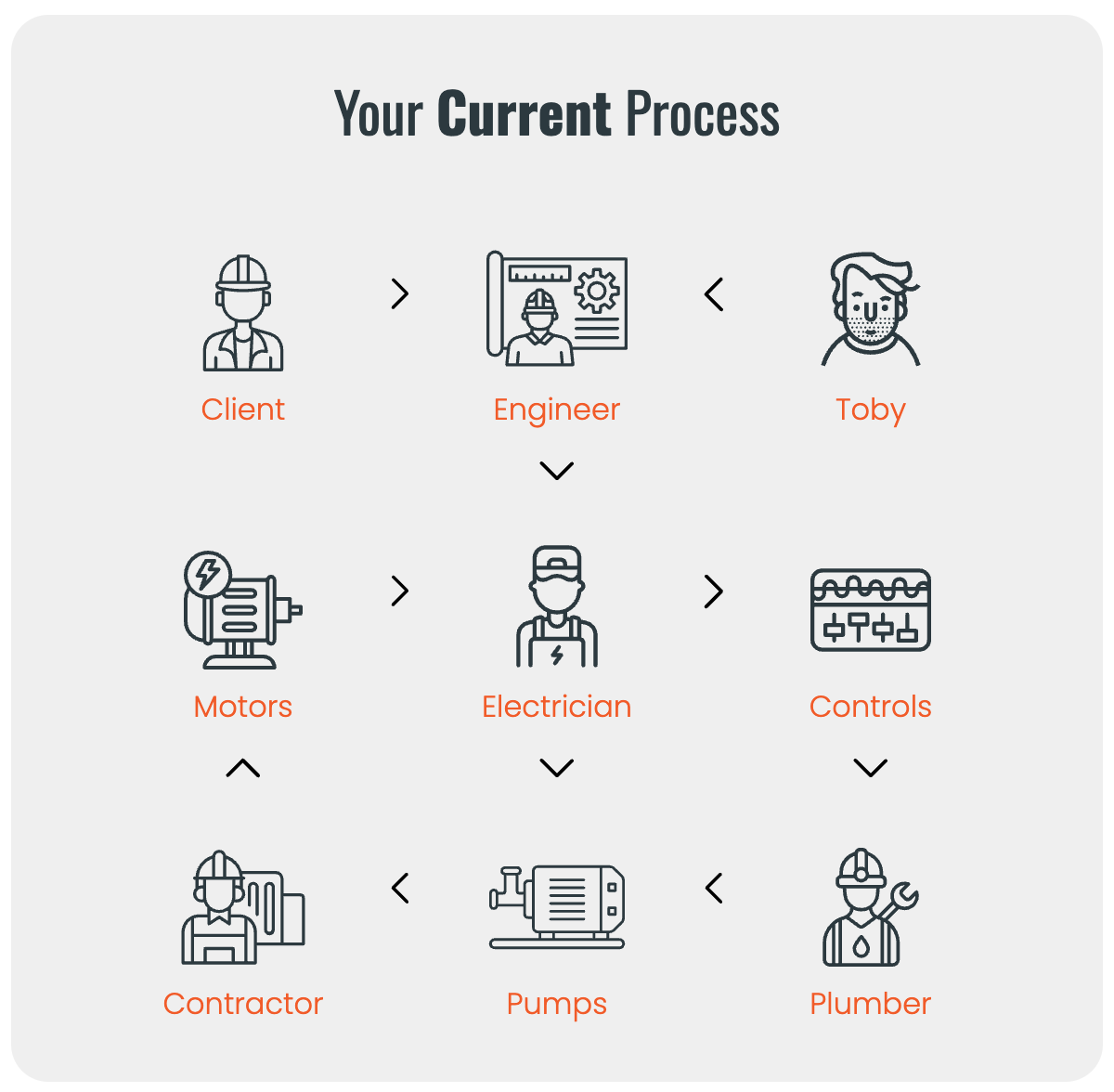
Diagram showing a process with roles: Client, Engineer, Toby, Motors, Electrician, Controls, Contractor, Pumps, and Plumber.
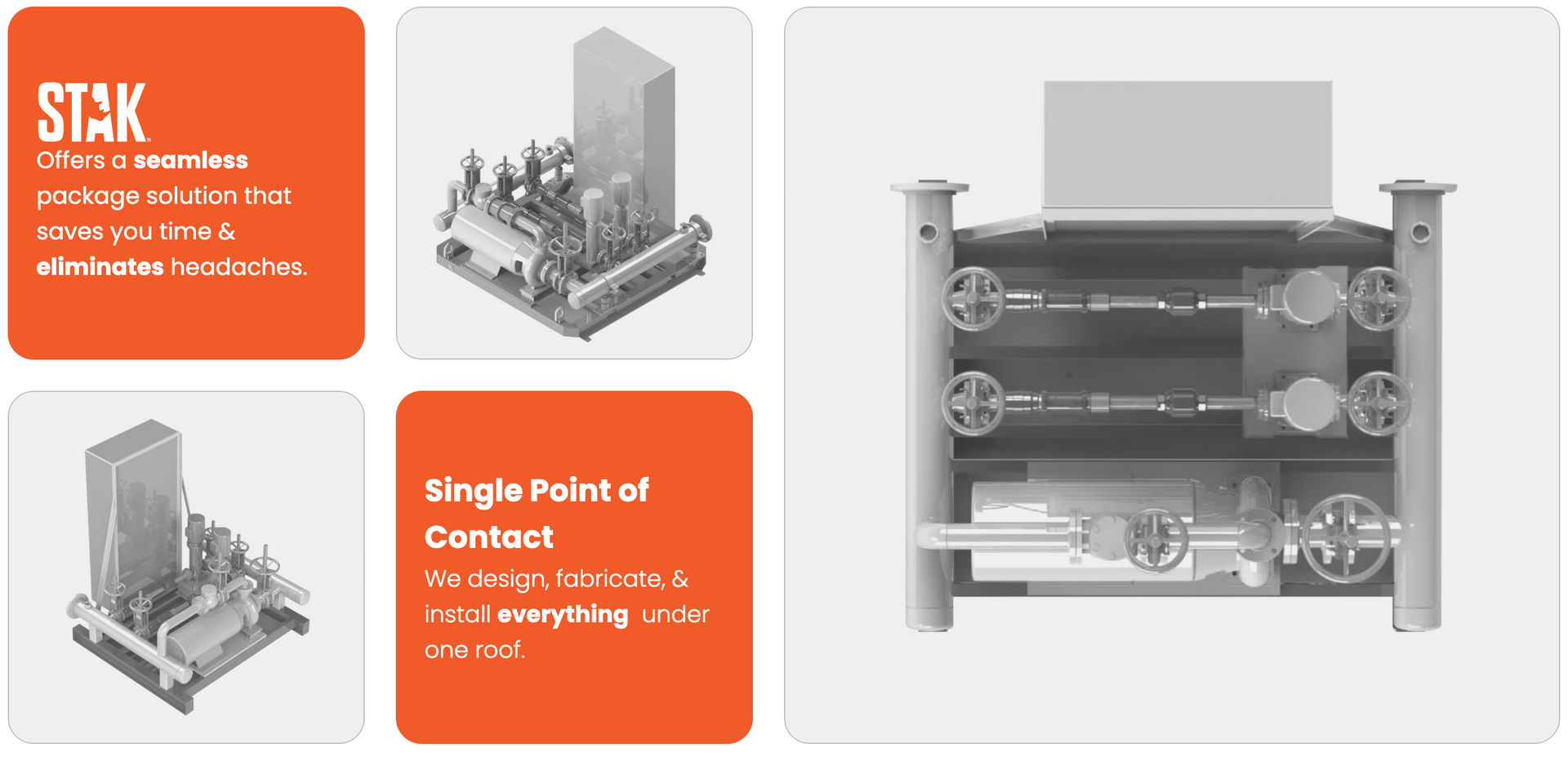
Orange background with the word

Meet RhinoStak A Modular Alternative to Traditional Pump Stations

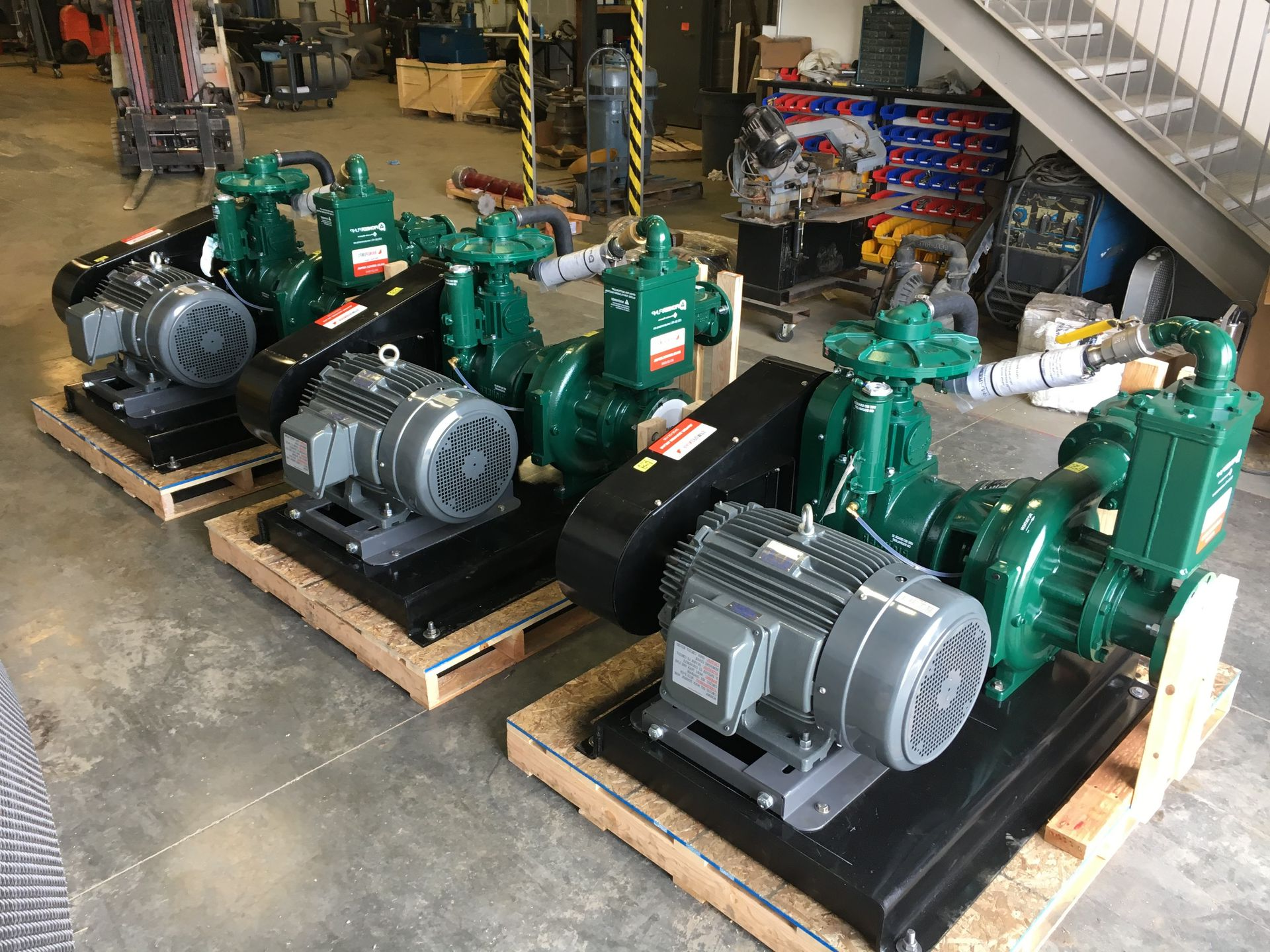
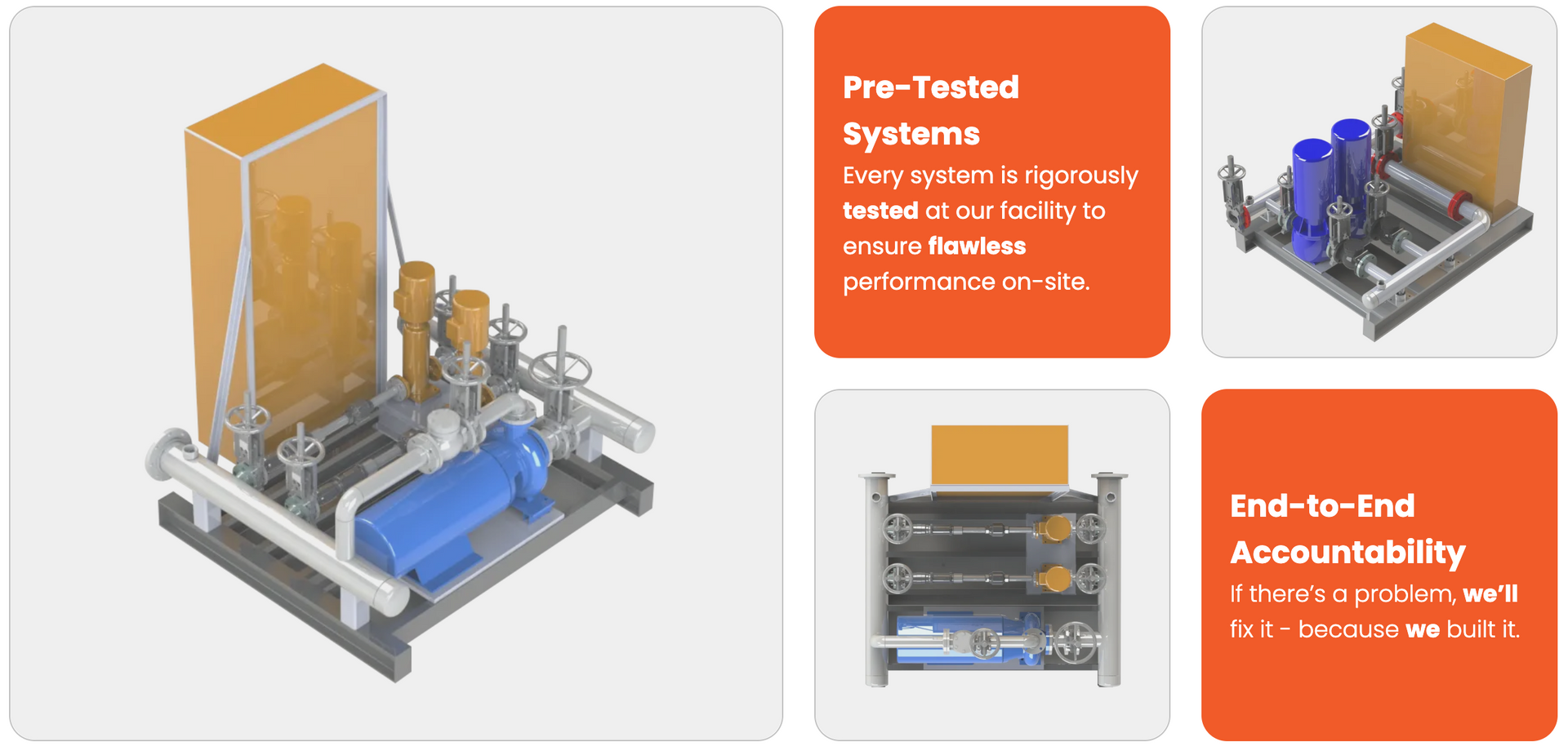
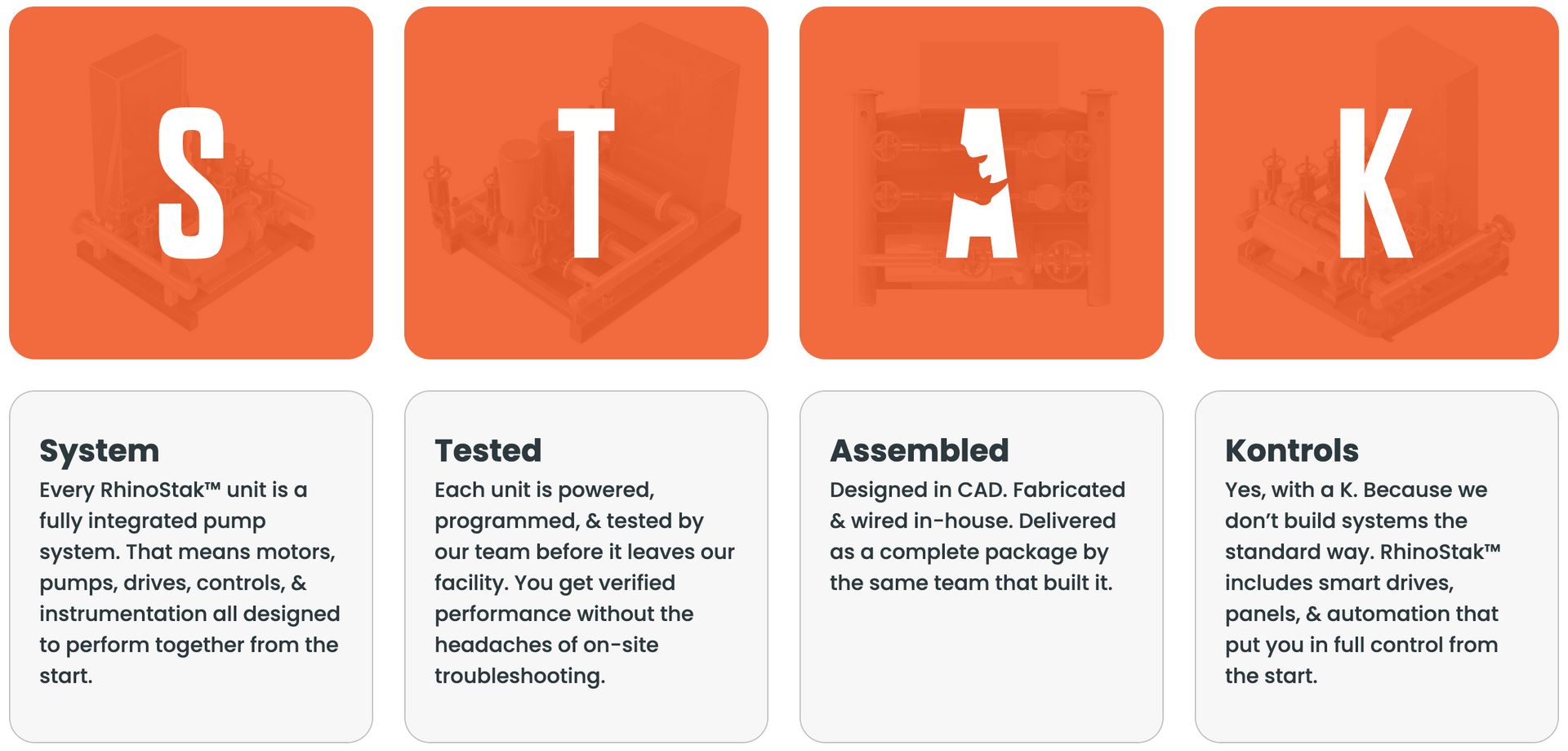
RhinoStak is a pre-engineered, fully assembled pump system designed to outperform conventional duplex configurations. It simplifies installation and future upgrades with:

  • Integrated pumps, piping, valves, and controls
  • Configurable layouts supporting up to six pumps
  • Factory testing for performance and system integrity
  • Compact, skid-mounted construction that reduces on-site work


This packaged design minimizes field labor, lowers installation complexity, and enables faster deployment.

A graph showing the total dynamic load of a pump

How RhinoStak Compares to Traditional Duplex Stations

Feature Duplex Station RhinoStak System
Installation Process Requires excavation, vault setup, and field wiring Delivered preassembled for fast deployments
Scalability Limited to 2 pumps Modular: Add pumps or reconfigure layout
Control Integration Requires panel wiring onsite Fully integrated and tested at factory
Failure Recovery Manual pump swap or bypass Built-in redundancy with intelligent controls
System Footprint Large vault or wet well Skid-mounted and space efficient

In addition to the pump skid itself, RhinoStak can be paired with the OverWatch pump system, which eliminates the need for a traditional wet well. By removing below-grade collection points, OverWatch prevents the buildup of harmful hydrogen sulfide gas, improves worker safety, and greatly reduces odor concerns. The system is also designed to pass clogs and rags with ease, making it ideal for handling the toughest wastewater conditions.

A graph showing the total dynamic load of a pump

Applications Where RhinoStak Is a Smarter Fit

RhinoStak systems are a great fit for both public and private applications:

Municipal Lift Station Replacements

RhinoStak allows cities to replace old duplex stations with above-ground, fully integrated systems that improve safety, reduce confined space entry, and simplify maintenance.

Industrial and Commercial Water Systems

Facilities requiring high-flow transfer, booster pressure, or dedicated washdown systems benefit from a preconfigured pump package that reduces downtime and delivers clean integration.

Emergency or Temporary Installations

Thanks to its packaged form and reduced install complexity, RhinoStak is well-suited for rapid deployment when system failure or urgent upgrades are required.

A graph showing the total dynamic load of a pump

Why Modular Pumping Systems Are the Future of Infrastructure

Across the U.S., municipalities and industrial planners are turning to modular pumping systems to meet tight project schedules and reduce long-term maintenance burdens. RhinoStak offers:

  • Reduced need for field coordination
  • Streamlined approvals and submittals
  • Predictable performance and factory validation
  • Long-term adaptability for system changes or expansions


Rather than sticking with rigid, site-built pump rooms, modern infrastructure is shifting toward scalable, pre-engineered solutions.

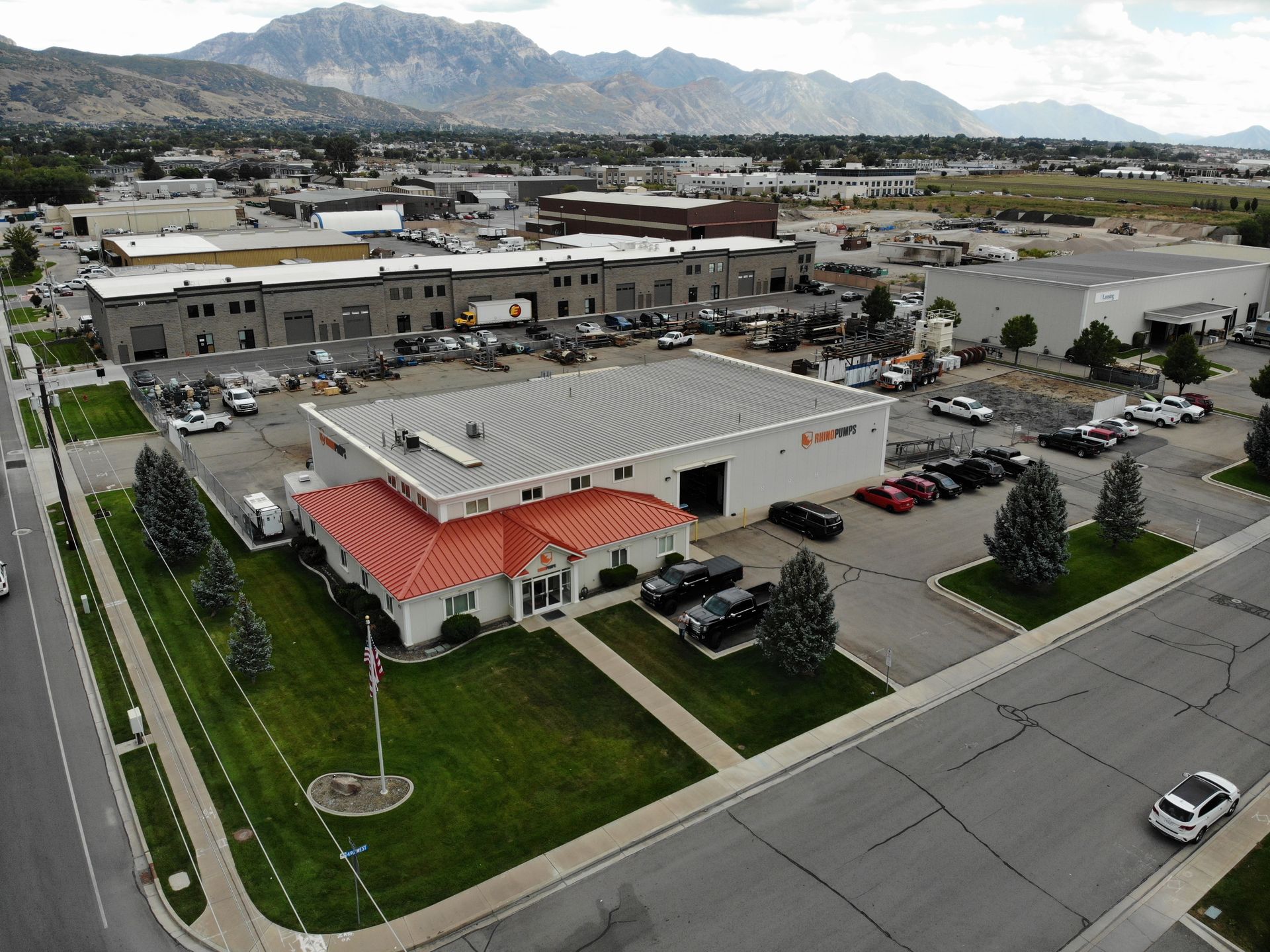
An aerial view of a building with a red roof

Partner With Rhino Pumps to Build Smarter

Rhino Pumps provides RhinoStak systems tailored to your facility’s hydraulic and electrical needs. Each package is designed with integration, serviceability, and long-term performance in mind. Whether you're replacing a duplex station or planning a new build, our team can help you design and configure a smarter solution.


Contact Rhino Pumps to request a RhinoStak consultation or explore design options for your facility.

Continue Learning About Pump Systems and Performance

A pump quotation with a short priced scope and an exclusions list running off the bottom of the page
By Casey Cozzens • September 11, 2026
A quote is a scope with a price attached. What routinely falls outside a vertical turbine pump quote, and why the purchase price is about a tenth of the cost.
A four season irrigation record showing acreage flat at 640 while kilowatt hours climb each year
By Casey Cozzens • September 11, 2026
Flat acreage and a power bill climbing for years is rarely rates. What a pumping plant efficiency test measures, and what 63.2 percent of standard looks like.
A permit renewal application stamped RECEIVED in March 2021 with nothing filed after it
By Casey Cozzens • September 11, 2026
A tightened discharge limit is a hydraulic instruction with somebody else's deadline on it. What treatment does to your head, your materials and your clock.
Six puzzle pieces with only the pump piece in place, the rest of the package still loose
By Casey Cozzens • September 11, 2026
The pump is rarely the long pole. What actually runs long in a pump package, and the sequencing mistake that costs more weeks than any lead time on the list.
Machined rule with a single scribed mark, the one flow an irrigation pump was sized for
By Casey Cozzens • September 11, 2026
Your delivery is a range whether you specified for one or not. How to size an irrigation pump for a moving duty, and what throttling one down really costs.
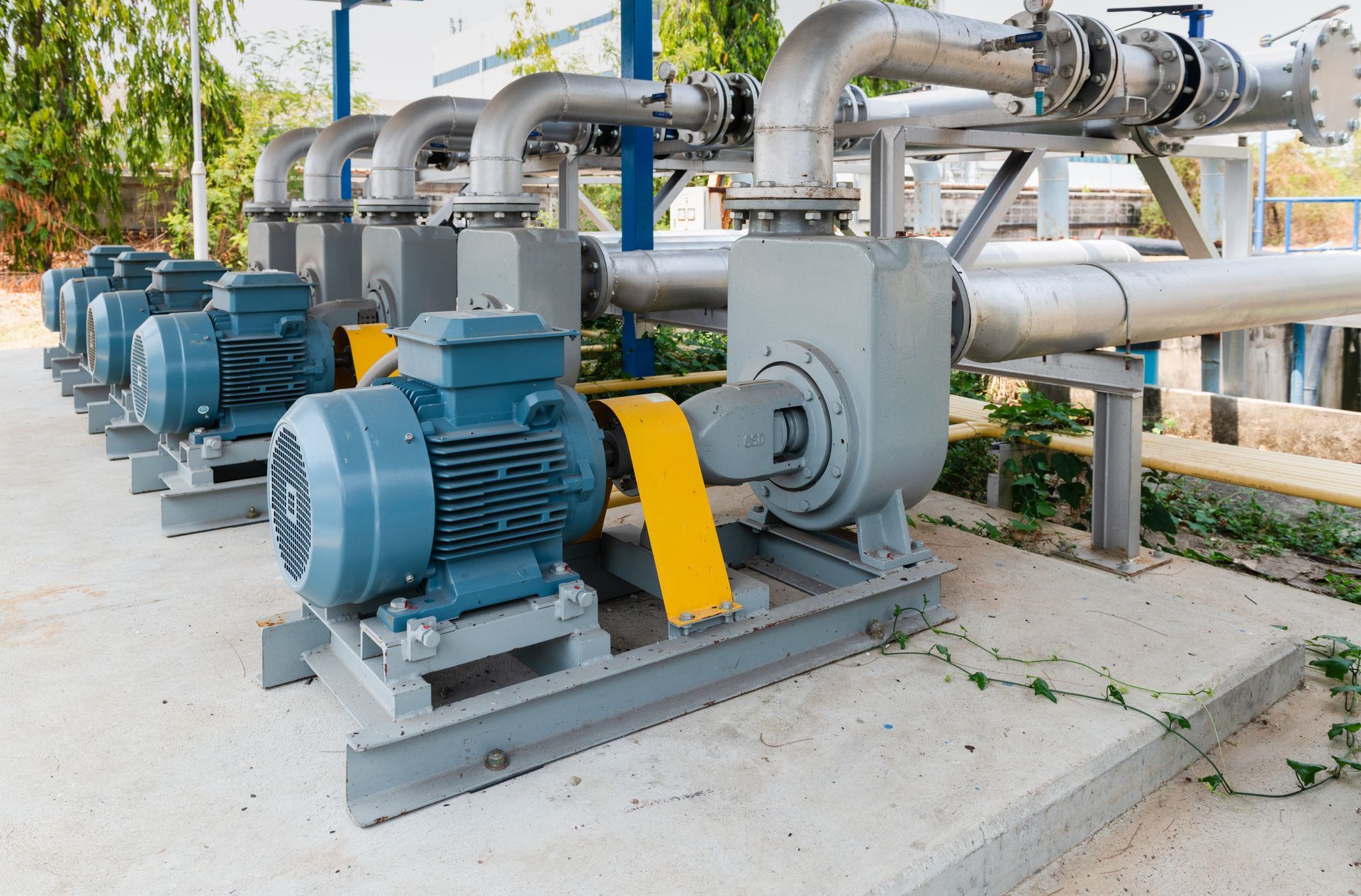
Four identical wastewater pumps tied into a common discharge header at a municipal treatment plant
By Casey Cozzens • September 9, 2026
How wastewater pump systems set the ceiling on municipal treatment plant reliability, the four failure modes behind outages, and how to design around them.

Show More