


Top 10 Common Industrial Pump Problems and How to Fix Them
Unplanned pump downtime is expensive. Whether it is a seized bearing, a leaking seal, or a clogged impeller, every hour offline costs money and puts pressure on maintenance teams. This guide covers the ten most common industrial pump problems, how to identify them, and what to do to get your system back online fast.

1. Pump Cavitation
Symptoms
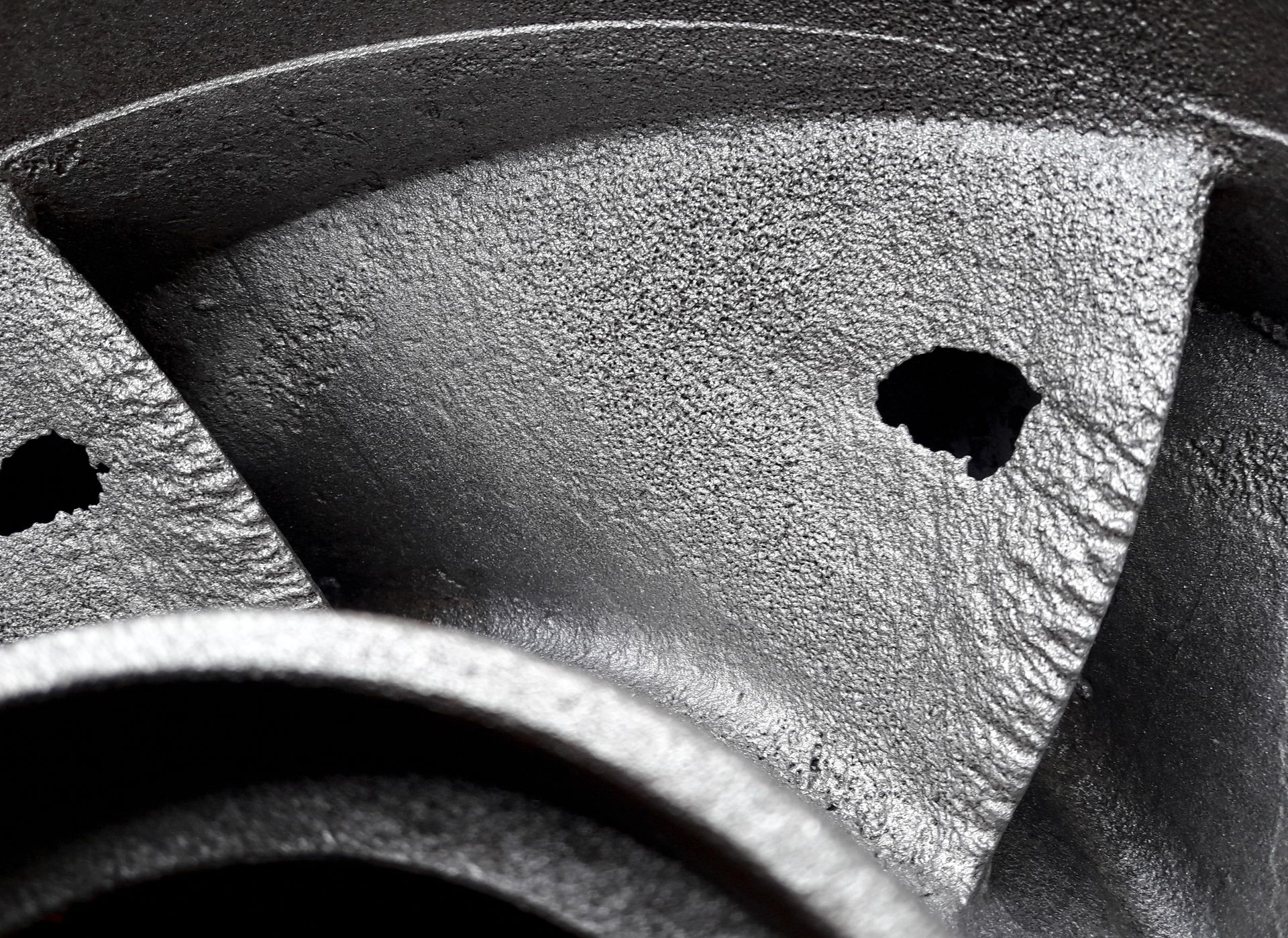
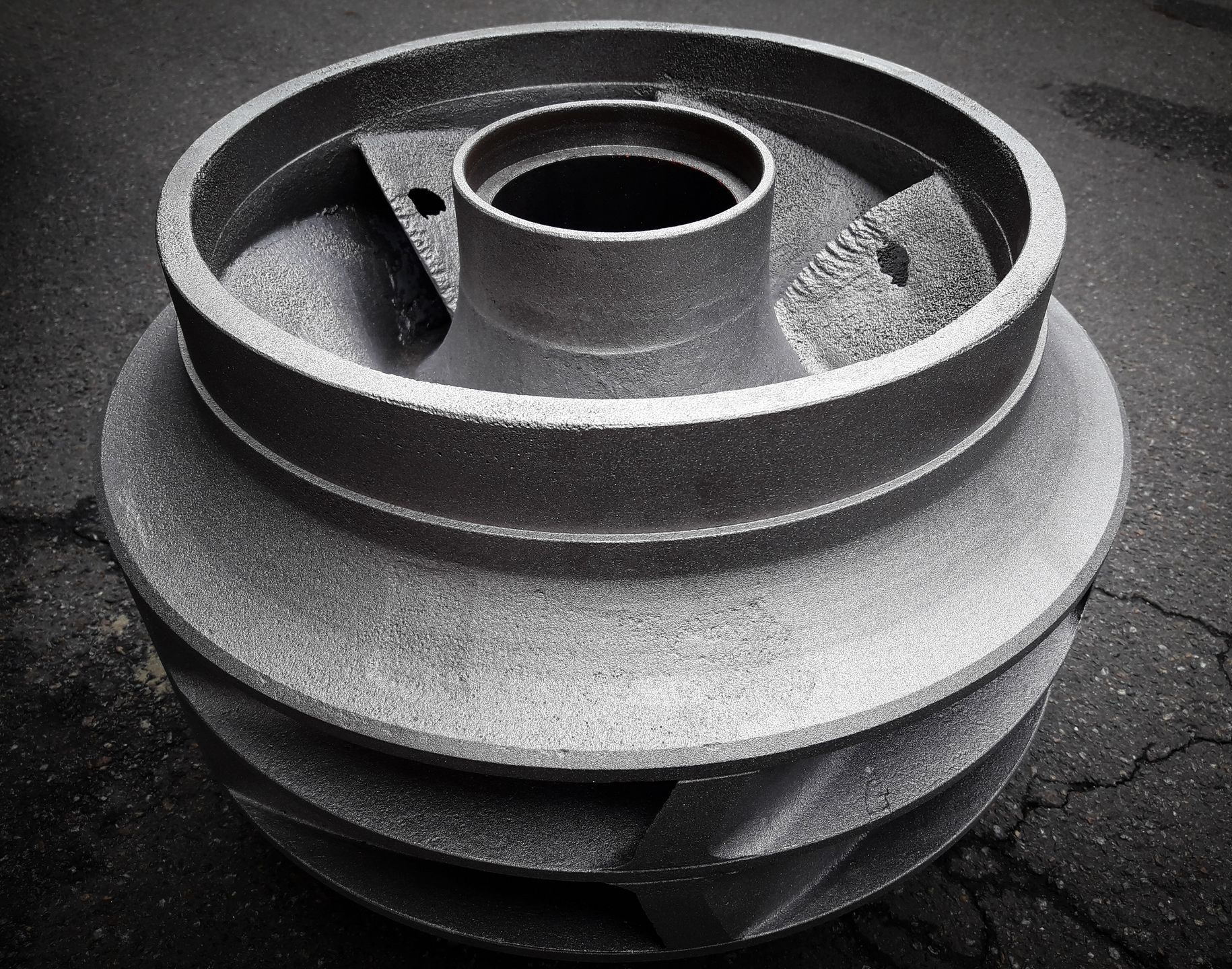
Grinding or crackling noise, vibration, noticeable drop in performance, and visible pitting on the impeller surface after inspection.
Cause
Cavitation occurs when the net positive suction head available (NPSHa) drops below the pump's required NPSHr, causing vapor bubbles to form and collapse violently inside the pump.
Fix
Increase suction pressure, reduce fluid temperature, or add an inducer to the suction side. Always maintain a minimum NPSH margin of 10 to 20 percent above NPSHr. For chronic cavitation issues, review the full system design.

2. Mechanical Seal Leakage
Symptoms
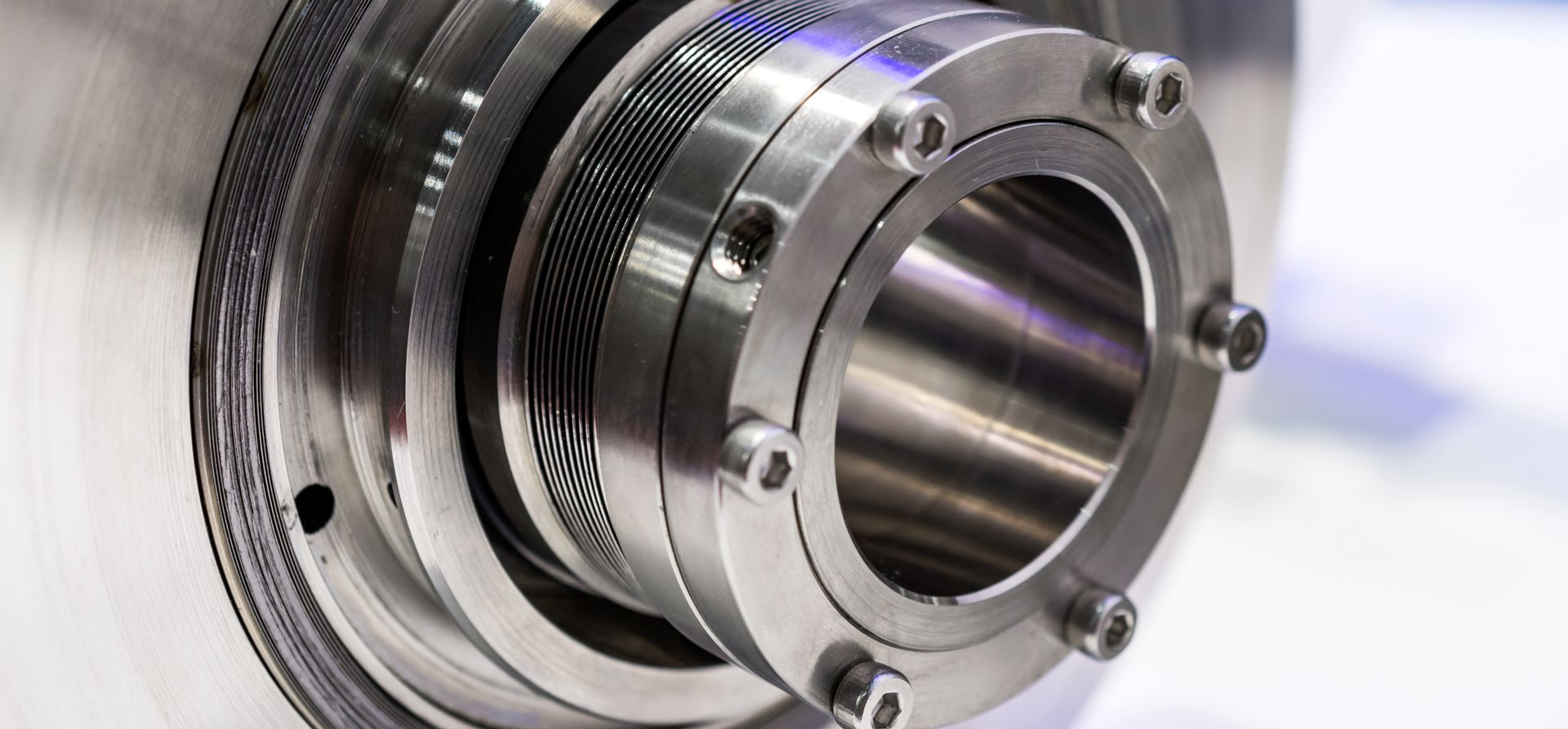
Fluid seepage at the shaft, frequent seal replacements, and visible staining or pooling around the pump housing.
Cause
Hardened or damaged seal faces, worn O-rings, casing misalignment, or operating pressure outside the seal's design range.
Fix
Inspect mechanical seals and O-rings during every scheduled maintenance interval. Replace any hardened or damaged components. Verify casing alignment and confirm the pump is operating within its rated pressure range.
3. Excessive Vibration or Noise
Symptoms
Vibration readings above 0.3 in/s, rattling, whining, or a general increase in operating noise that was not present previously.
Cause
Shaft or coupling misalignment, an imbalanced impeller, worn bearings, or operating far from the Best Efficiency Point (BEP).
Fix
Perform laser shaft alignment and rebalance the impeller if necessary. Replace worn bearings and install vibration monitoring to catch future issues early. Confirm the pump is operating near BEP.

4. Reduced Flow Rate or Low Delivery
Symptoms
Lower than expected flow output, pressure drop across the system, or inability to meet process demand.
Cause
Clogged inlet strainer, blocked or worn impeller, air entrainment in the suction line, or a pump that no longer matches the system's required flow specifications.
Fix
Clear any blockage at the inlet or impeller. Inspect wear rings and impeller clearances. Confirm the pump curve still matches current system requirements, particularly if process conditions have changed since installation.
5. Overheating Motor
Symptoms
Elevated motor casing temperature, thermal protection trips, or heat-related insulation failure.
Cause
Insufficient bearing lubrication, inadequate motor cooling, incorrect power supply voltage, or an undersized motor for the actual load.
Fix
Lubricate bearings according to the manufacturer's schedule. Verify the cooling fan and ventilation are unobstructed. Confirm the power supply matches motor specifications and that the motor is correctly sized for the operating duty.

6. High Power Consumption
Symptoms
Unexplained spike in electricity usage, motor running hot, or higher than expected energy bills.
Cause
The pump is operating far to the right of its BEP on the pump curve, handling a higher flow rate than it was designed for. This increases shaft load and energy draw significantly.
Fix
Review the current operating point against the pump curve. Consider impeller trimming or installing a variable frequency drive (VFD) for speed control to bring the pump back toward BEP and reduce energy consumption.
7. Air Entrainment or Running Dry
Symptoms
Air bubbles in the discharge flow, sporadic or pulsating output, seal damage, or pump running loudly with no output.
Cause
Suction line leaks, insufficient fluid level at the inlet, or a system not designed to handle air entrainment conditions.
Fix
Inspect and seal any air leaks in the suction piping. Confirm the fluid level is adequate and the pump is fully primed before startup. For applications prone to air entrainment, select a pump specifically rated for those conditions.

8. Bearing Failure
Symptoms
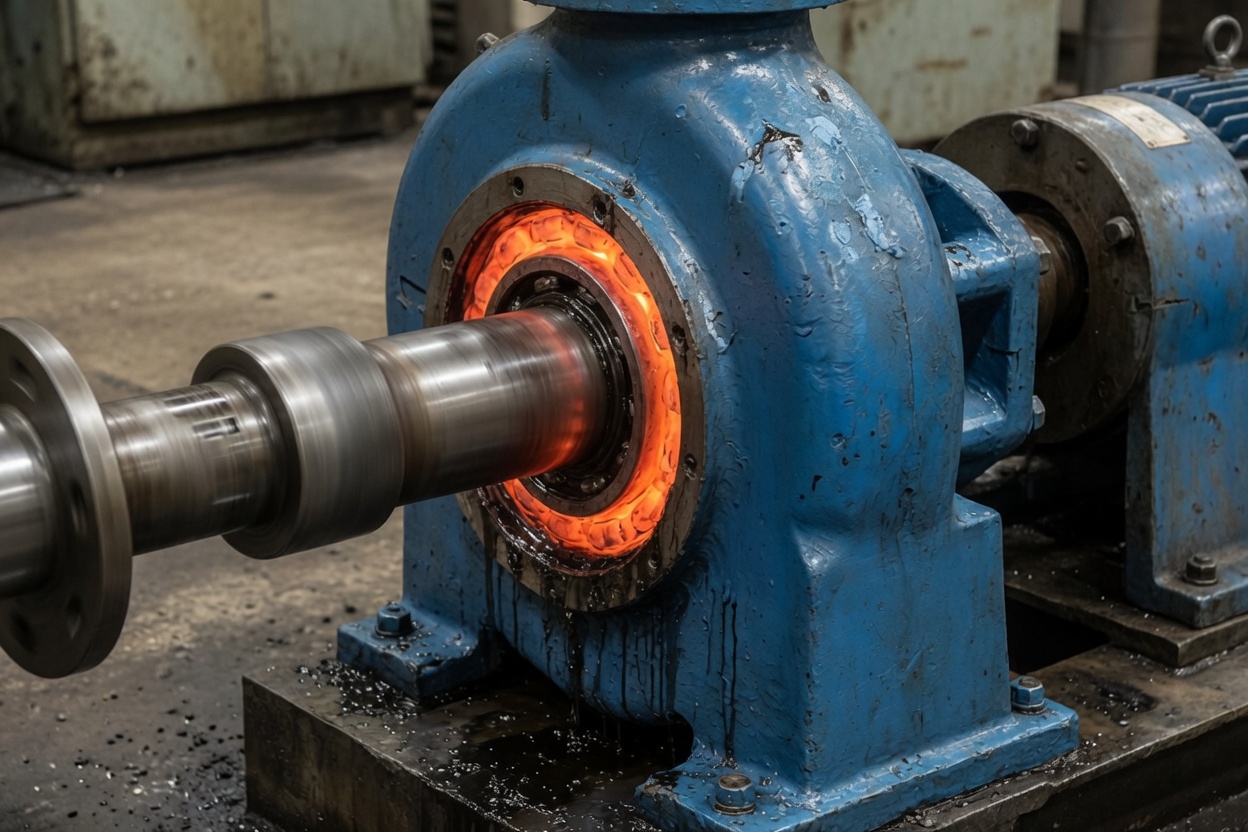
Increased noise or heat at the bearing housing, visible shaft play, vibration increase, or complete shaft seizure.
Cause
Insufficient lubrication, contamination, misalignment, or extended operation away from BEP causing excessive radial and axial loads on the bearings.
Fix
Replace worn bearings immediately and realign shafts to manufacturer specifications. Establish a proactive bearing replacement schedule based on operating hours rather than waiting for failure. Follow ANSI/HI bearing support guidelines for your pump class.

9. Impeller and Casing Wear from Cavitation
Symptoms
Premature wear on impeller vanes and casing walls, roughened surfaces, and declining pump performance over a short period.
Cause
Ongoing cavitation that has not been addressed, combined with abrasive or corrosive fluid conditions that accelerate material loss.
Fix
Address the root cavitation cause first by correcting NPSH conditions. For applications where cavitation cannot be fully eliminated, select erosion-resistant impeller and casing materials per ANSI/HI lining guidelines. Hardened alloys or rubber-lined components significantly extend service life in these environments.

10. Frequent Clogging or Solids Buildup
Symptoms
Gradual reduction in flow efficiency, frequent blockages requiring manual clearing, and increased maintenance hours on the pump.
Cause
Solids or fibrous materials in the fluid stream that the impeller design cannot handle, combined with insufficient upstream filtration.
Fix
Install appropriately sized strainers or filters upstream of the pump. Select an impeller type designed for solids handling such as a vortex or DIPCUT style. Establish a regular cleaning and inspection schedule to prevent buildup from becoming a blockage.

Industrial Pump Troubleshooting Checklist
Use this checklist during any pump troubleshooting evaluation:
- Increase suction pressure and control fluid temperature to prevent cavitation
- Inspect and replace mechanical seals and O-rings on schedule
- Perform laser shaft alignment and vibration analysis
- Keep inlet strainers and impeller passages clear
- Maintain proper lubrication and verify motor operating conditions
- Monitor power draw to confirm efficient operation near BEP
- Confirm full priming and airtight suction lines before startup
- Replace bearings proactively based on run hours
- Specify erosion-resistant materials if cavitation wear persists
- Filter solids upstream before they reach the pump
Frequently Asked Questions: Industrial Pump Problems
How do I know if my pump is cavitating?
The most common sign is a crackling or grinding noise that sounds like gravel moving through the pump. You may also see a drop in flow and pressure, increased vibration, and over time, visible pitting on the impeller when the pump is opened for inspection.
How often should industrial pump seals be replaced?
This depends on the application, fluid type, and operating pressure, but most mechanical seals in general industrial service are inspected every 6 to 12 months. Applications with abrasive or chemically aggressive fluids may require more frequent attention.
What is the most damaging pump problem?
Cavitation and bearing failure are the two most destructive issues. Both can progress quickly from a performance problem to complete pump failure if not addressed. Vibration monitoring and maintaining adequate NPSH margins are the best preventive measures.
Can a pump be repaired on-site or does it need to be removed?
Many issues including seal replacement, bearing swap, and alignment correction can be performed on-site with the right tools and expertise. More significant repairs such as impeller replacement or casing work typically require removal and workshop service.

Get Expert Pump Troubleshooting Support from Rhino Pumps
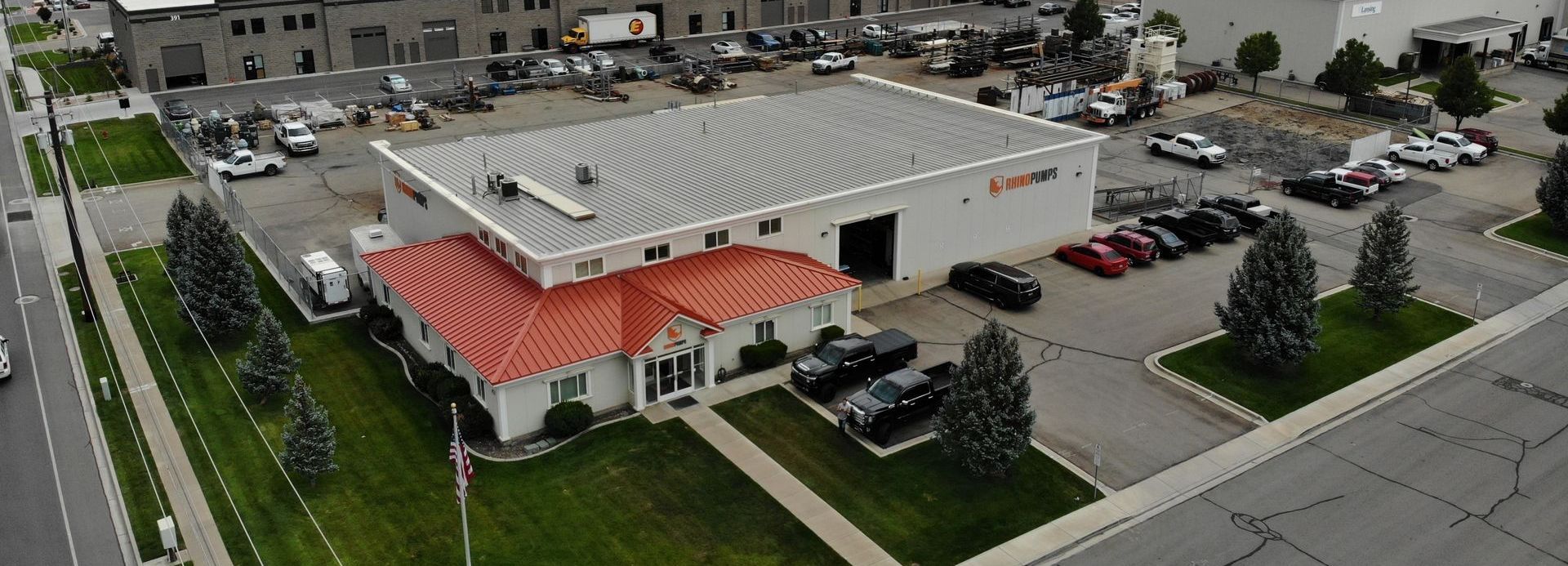
Rhino Pumps provides expert troubleshooting, service, and performance assessments for industrial pump systems. Our team helps diagnose problems, guide repairs, install reliable solutions, and build maintenance schedules tailored to your operation.
Contact Rhino Pumps to schedule a service evaluation or request on-site diagnostics.