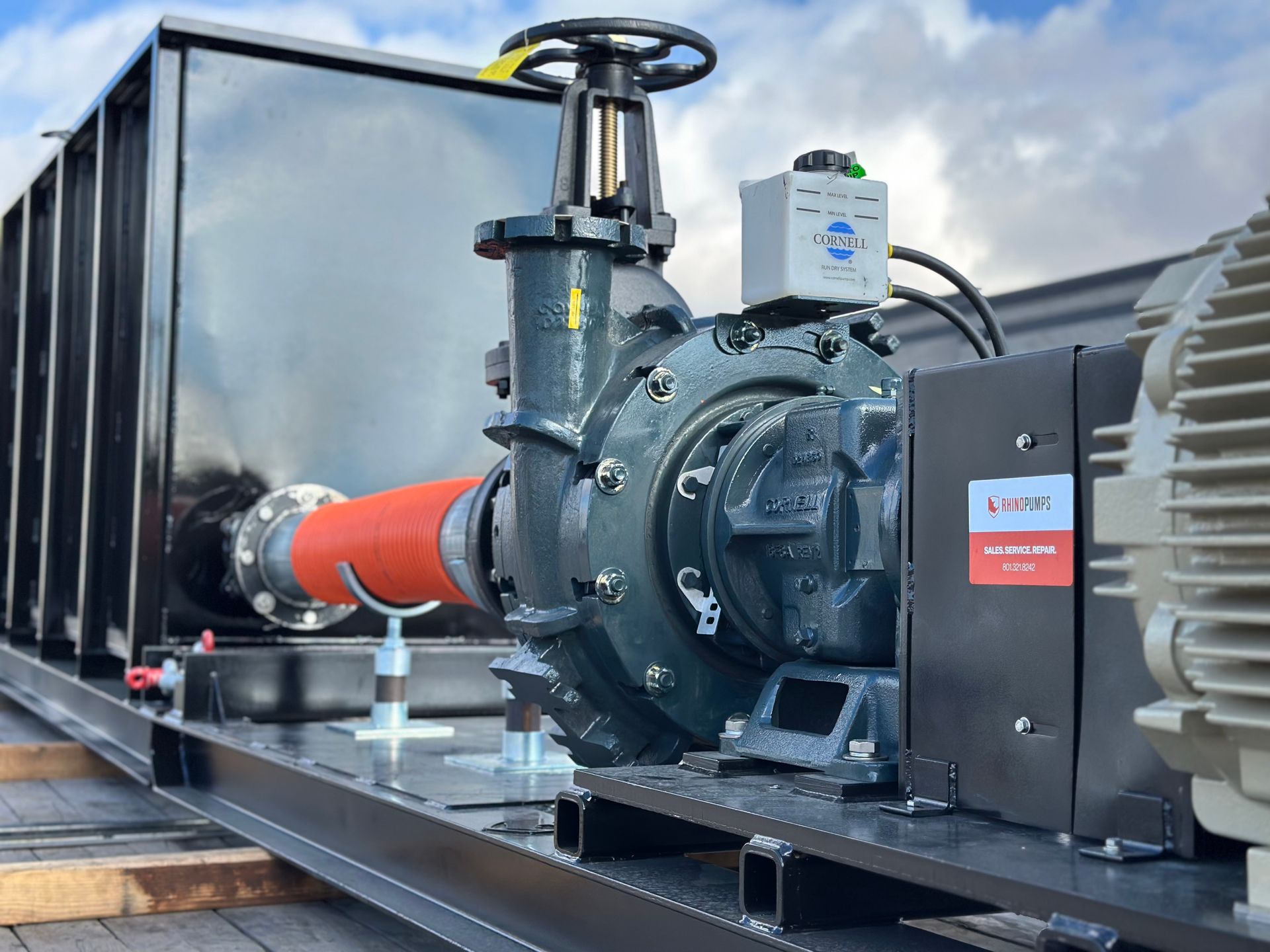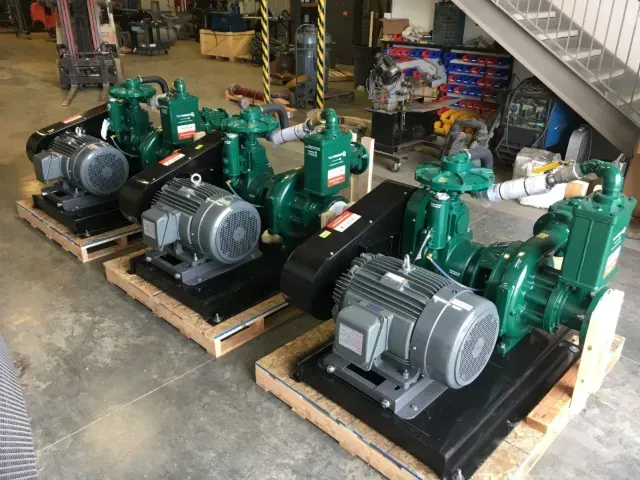
On a municipal pump retrofit, the pump is rarely the hard part. The hard part is getting new equipment to talk to a SCADA system that was installed years or decades earlier, running protocols the new controls were never designed around. When integration is treated as an afterthought, it becomes the change order that blows the schedule. Rhino Pumps engineers controls for the SCADA you already have, so integration is part of the design rather than a problem discovered at startup.
Where retrofits actually go wrong: A new pump that meets its curve still fails the project if its controls cannot communicate with the existing SCADA. Integration problems surface at commissioning, when the equipment is already installed and the schedule is already committed. The fix is to engineer the controls around the existing platform from the start.
Common Municipal SCADA Protocols
Municipal water and wastewater facilities run a mix of communication protocols, often layered over decades of upgrades. New pump controls have to integrate with what is already in service rather than forcing a platform change.
| Protocol | Where It Is Found |
|---|---|
| Modbus RTU and Modbus TCP | Widely used across pump stations and treatment equipment. Common on VFDs, flow meters, and level instruments. |
| DNP3 | Common in water and wastewater SCADA for remote stations, with time-stamped events and reporting by exception. |
| EtherNet/IP | Found in facilities standardized on certain PLC platforms for plant-floor communication. |
| Proprietary and legacy systems | Older municipal systems sometimes run vendor-specific protocols that require gateway translation to integrate new equipment. |
Why SCADA Integration Is the Hard Part of a Retrofit
Protocol Mismatch
New controls that default to a different protocol than the existing SCADA require translation or gateway hardware that should be designed in, not improvised on site.
Data Point Mapping
Every signal the SCADA expects has to map correctly to the new equipment. Missed or mismatched points show up as blank screens and false alarms in the control room.
Alarm and Event Continuity
Operators rely on existing alarm logic. New equipment has to reproduce the alarm conditions and reporting behavior the staff already trust.
Mixed Equipment Coordination
When a retrofit replaces one pump and leaves others in service, the new controls must share alternation and lead and lag logic with the existing pumps.
Avoiding a Full SCADA Upgrade
A pump retrofit should not force a facility-wide SCADA replacement. Controls engineered for the existing platform keep the project scoped to the pump system.
Operator Familiarity
Integration that preserves the existing screens, naming, and logic avoids retraining and reduces operator error after startup.
How Rhino Pumps Engineers Controls for Existing SCADA
Controls and integration are handled by Kontrols, the Rhino Pumps controls and SCADA division. Rather than shipping a generic control package and leaving integration to a contractor at installation, we design the controls around the facility's existing platform before fabrication begins.
Existing System Review
We document the existing SCADA platform, communication protocol, data points, and alarm logic already in service, along with the controls hardware that will remain.
Integration Design
Controls are engineered to communicate on the existing protocol, with data points mapped to match what the SCADA already expects and gateway translation specified where a legacy system requires it.
Panel Fabrication and Programming
Control panels are built and programmed in-house. Motor starters, VFDs, instrumentation, and communication hardware are configured to the integration design before shipment.
Installation and Point-to-Point Checkout
During installation, every data point is verified against the SCADA, and alarm and control functions are checked point to point rather than assumed.
Commissioning and Validation
SCADA communication, alarm response, alternation logic, and control sequencing are validated under actual operating conditions before handover, with results documented for the facility.
What Integration Verification Covers
Communication
Every data point reads correctly on the existing SCADA, with no dropped or mismapped signals between the new equipment and the control room.
Alarms and Faults
High level, low level, motor fault, communication loss, and application-specific alarms all trigger and report as configured.
Control Sequencing
Alternation, lead and lag logic, and VFD ramp behavior confirmed, including interaction with any existing pumps left in service.
Remote Monitoring
Remote visibility and control from the SCADA platform confirmed, so operators retain the monitoring they had before the retrofit.
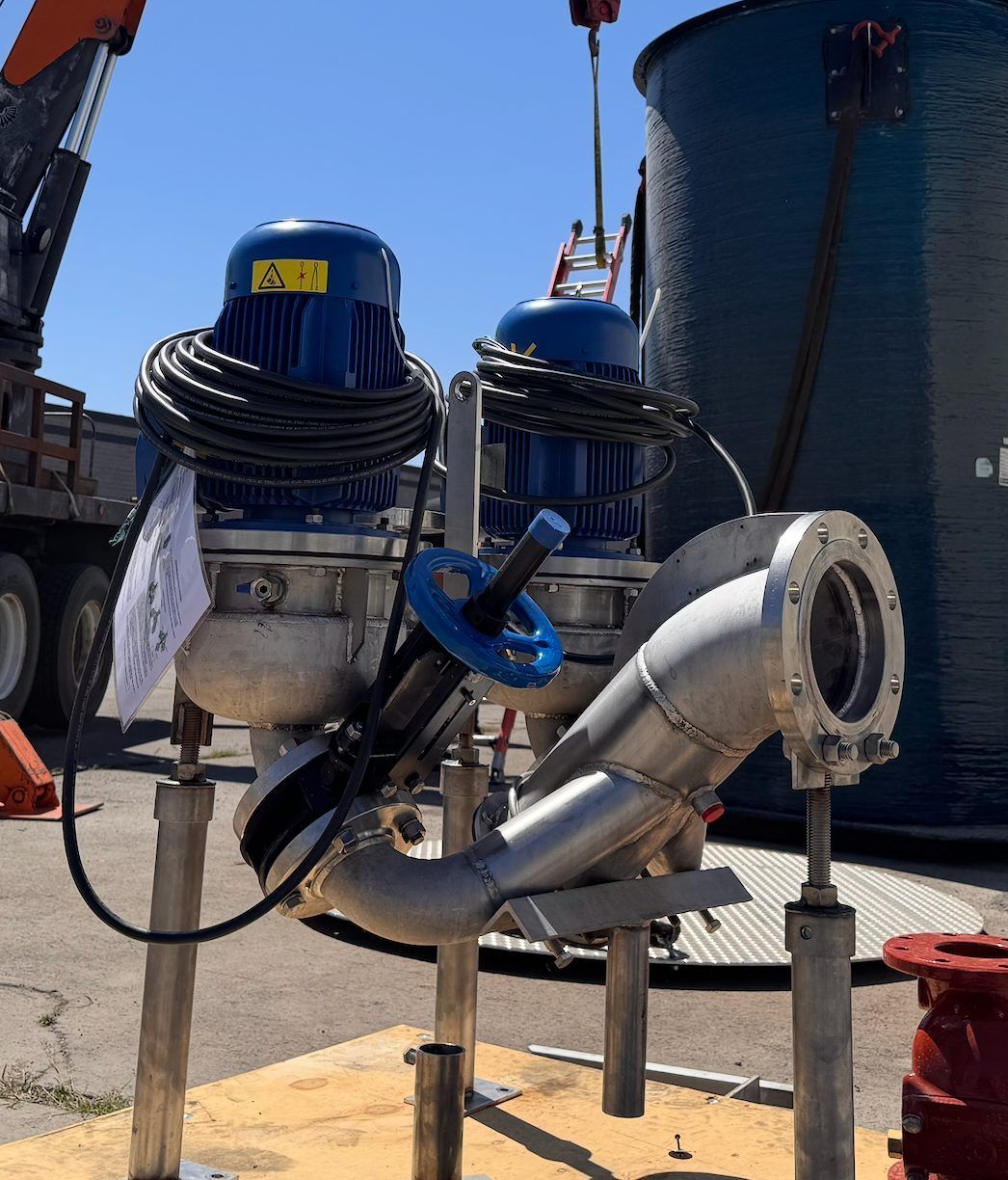
SCADA and telemetry integration is included as standard on OverWatch direct in-line systems, which run in pairs minimum for redundancy. For the broader retrofit engineering scope, see our custom engineered pump solutions for municipal water retrofits. For getting the controls interface into the project specification, see our guide on how to write a pump specification for a municipal retrofit.
Service Territory
Rhino Pumps and the Kontrols division serve municipal water and wastewater authorities across six states for controls integration, retrofit projects, and ongoing service.
Frequently Asked Questions
How do you integrate a new pump system with existing municipal SCADA?
You integrate a new pump system with existing municipal SCADA by engineering the controls around the existing platform before fabrication. That means documenting the SCADA platform, communication protocol, data points, and alarm logic already in service, then designing the new controls to communicate on that protocol with data points mapped to match what the SCADA expects. Gateway translation is specified where a legacy system requires it. Rhino Pumps, through its Kontrols division, designs and programs the controls in-house and verifies every point during commissioning rather than leaving integration to be solved at installation.
What SCADA protocols do municipal pump systems use?
Municipal pump systems commonly use Modbus RTU and Modbus TCP, DNP3, and EtherNet/IP, and older facilities sometimes run proprietary or legacy protocols that require gateway translation. Modbus is widespread on VFDs and instrumentation, while DNP3 is common in water and wastewater SCADA for remote stations because it supports time-stamped events and reporting by exception. New pump controls should be engineered to communicate on whichever protocol the facility already runs.
Can a pump retrofit work with legacy SCADA without upgrading the whole system?
Yes. A pump retrofit should not require a facility-wide SCADA replacement. When the new controls are engineered to communicate on the existing protocol, with gateway translation added only where a legacy system requires it, the project stays scoped to the pump system. Rhino Pumps designs controls for the SCADA already in service so municipalities avoid the cost and disruption of a full platform upgrade.
What controls are needed for a municipal pump station retrofit?
A municipal pump station retrofit typically needs motor starters or VFDs, level sensing, flow and pressure instrumentation, alarm logic, and communication hardware configured for the existing SCADA protocol. The controls also need alternation and lead and lag logic, especially when the retrofit replaces one pump while leaving others in service. Rhino Pumps engineers these as an integrated package matched to the facility rather than a generic control panel adapted on site.
Who handles SCADA integration on a pump retrofit project?
On a Rhino Pumps retrofit, SCADA integration is handled by the Kontrols division as part of the engineering scope, not delegated to a separate controls contractor at installation. The controls are designed, built, and programmed in-house, then verified point to point against the existing SCADA during commissioning, so a single team is accountable for both the pump system and its integration.
Integrate Your Retrofit with the SCADA You Already Have
Rhino Pumps and the Kontrols division engineer pump controls for existing municipal SCADA across Utah, Idaho, Nevada, Arizona, Washington, and Colorado. No forced platform upgrade, no integration surprises at startup.