A wastewater pump that is reliable on paper still fails a plant if no one sees the warning signs before it stops. Integrated wastewater pump and monitoring systems close that gap by building sensing, telemetry, and control into the pump system itself, so operators get real time visibility, faster response, and tighter control over the stations that keep a treatment plant running. Rhino Pumps engineers pump systems with monitoring designed in from the start across the Mountain West.
Why Monitoring Belongs Inside the Pump System
Most wastewater pump stations run unmanned and are visited on a schedule, not when something is actually going wrong. That means a developing problem, a rising bearing temperature, a creeping vibration signature, a pump cycling more often than it should, can run for days before anyone notices. By the time it shows up as a failure, it is already an overflow risk, a compliance event, or an emergency call out.
Integrated monitoring changes the timing. When sensing and telemetry are engineered into the pump system rather than added as a separate project, the data the operator needs is already flowing, mapped correctly, and tied to the control logic. The plant sees the problem while it is still a maintenance task instead of an emergency.
The reliability shift: Monitoring does not make a pump more durable. It changes when you find out something is wrong, from after the failure to before it. That shift from reactive to planned is where wastewater reliability is actually gained.
What an Integrated System Monitors
Level
Wet well or in-line level for pump control, high and low level alarms, and detection of a station filling faster than the pumps can clear it.
Flow
Discharge flow to confirm the pump is moving what it should, and to flag the gradual drop that signals wear or a partial clog.
Pressure
Discharge pressure trends that reveal blockages, valve issues, or changes in the system curve over time.
Vibration
Vibration signatures that surface bearing wear, imbalance, or cavitation before they progress to failure.
Motor and Power
Motor current, run time, and cycle frequency, where a pump cycling too often or drawing more power points to a developing problem.
Run Status and Alarms
Duty and standby status, alternation, and fault conditions reported to the control room and logged for trending.
How Integration Improves Treatment Reliability
| Capability | Effect on Plant Reliability |
|---|---|
| Real time visibility | Operators see station status without a site visit, so problems are caught between rounds rather than at the next scheduled check. |
| Early warning | Trending on vibration, flow, and cycle frequency surfaces wear before it becomes a failure, turning emergencies into planned work. |
| Faster response | Alarms reach the control room immediately, so a high level or fault triggers action before it becomes an overflow. |
| Better control | Integrated control logic manages alternation and duty sharing, evening out wear across pumps and reducing the chance of a single unit failing early. |
| Data for decisions | Logged history supports maintenance planning and capital decisions with evidence rather than guesswork. |
The Layers of an Integrated Pump and Monitoring System
The Pump System
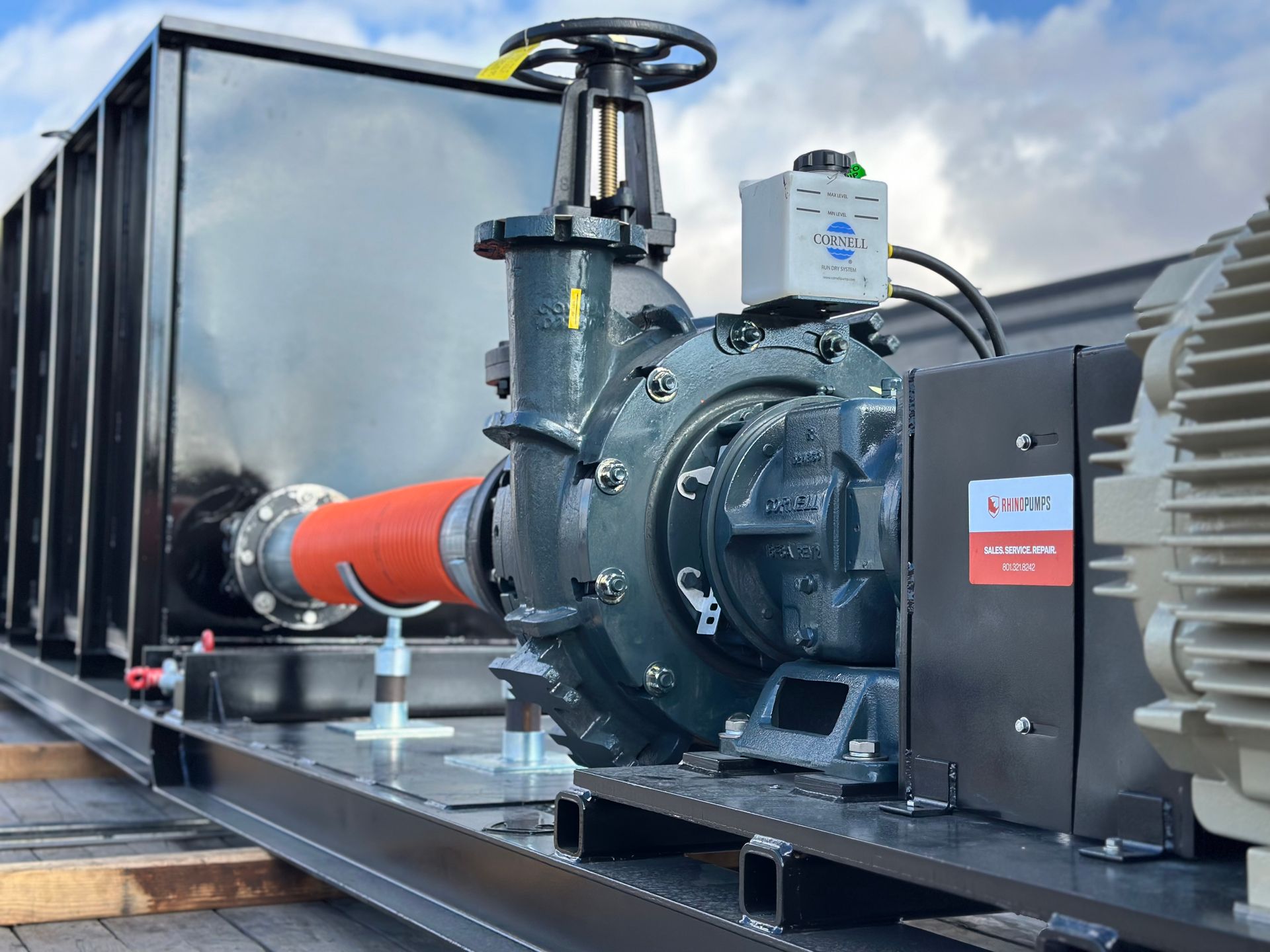
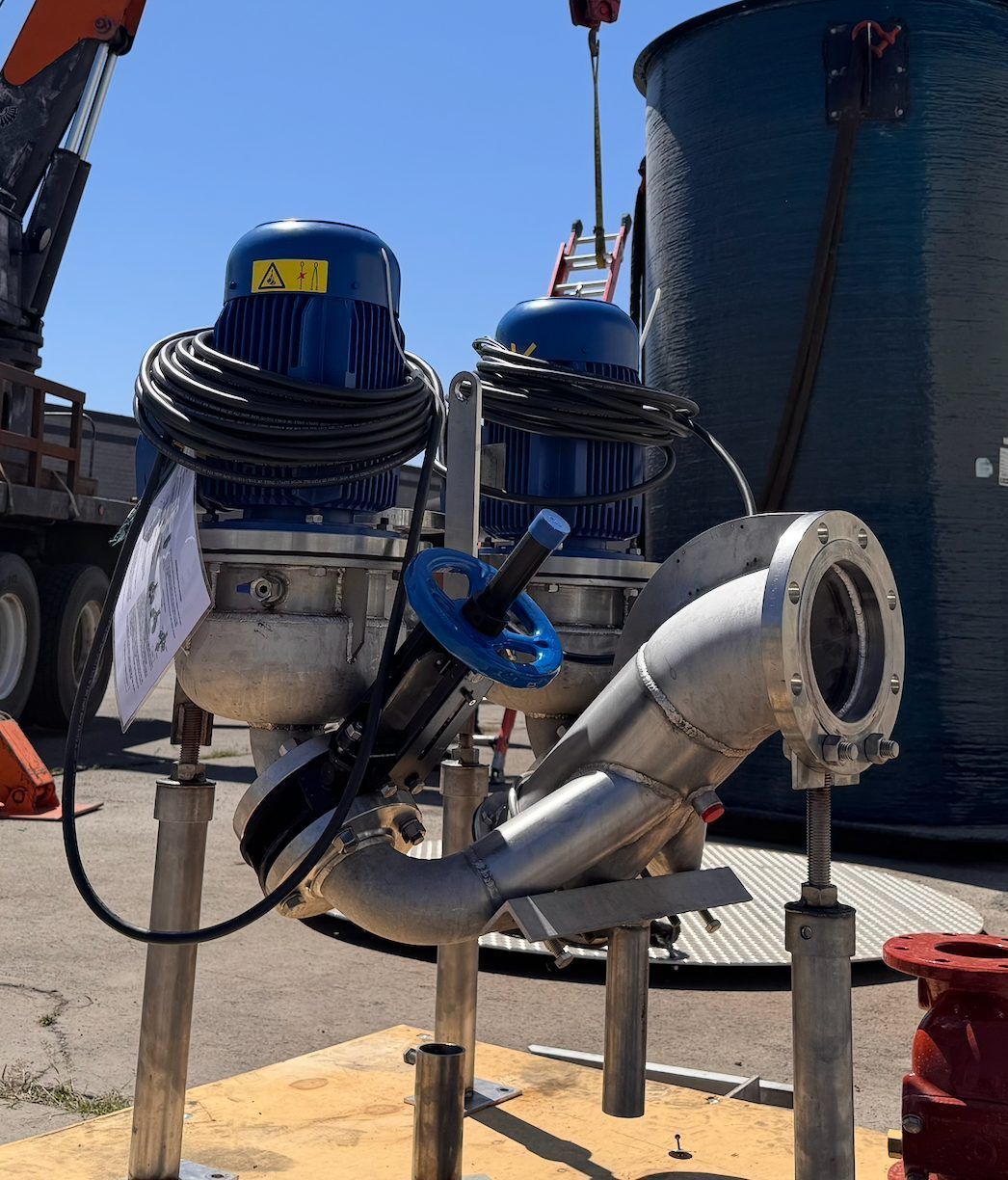
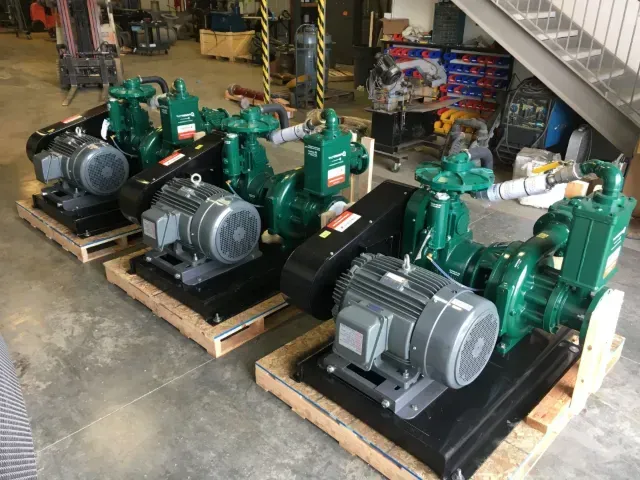
The pumps themselves, configured for the duty. OverWatch direct in-line systems eliminate the wet well and run in pairs minimum for redundancy, removing failure points that monitoring would otherwise have to watch.
Sensing and Instrumentation
Level, flow, pressure, vibration, and motor sensing selected for the application and mounted so the readings are accurate and serviceable.
Controls and Telemetry
Control logic and communication engineered to report to the existing SCADA platform. Controls are available as an option matched to the facility infrastructure.
Service and Response
The team that engineered the system supports it, with repair and rebuild capability when a monitored problem calls for it. On-site assessment is handled case by case.
How Rhino Pumps approaches it: We engineer monitoring into the pump system rather than bolting it on after. Sensing, control logic, and SCADA reporting are part of the design, so the data is mapped and trustworthy from day one. For the controls side specifically, see our guide to SCADA and controls integration for municipal pump retrofits.
Service Territory
Rhino Pumps engineers, supplies, and services integrated wastewater pump and monitoring systems for municipal authorities across six states.
Frequently Asked Questions
How do integrated wastewater pump and monitoring systems improve treatment reliability?
Integrated wastewater pump and monitoring systems improve treatment reliability by building sensing, telemetry, and control into the pump system so operators get real time visibility into stations that mostly run unmanned. Level, flow, pressure, vibration, and motor data are reported to the control room and trended, which surfaces developing problems such as wear, clogging, or excessive cycling before they become failures. That shifts the work from emergency response to planned maintenance, and it lets alarms trigger action before a high level becomes an overflow or compliance event. Rhino Pumps engineers monitoring into the pump system from the start, including OverWatch direct in-line systems that run in pairs minimum for redundancy, with controls available as an option, across Utah, Idaho, Nevada, Arizona, Washington, and Colorado.
What should a wastewater pump monitoring system track?
A wastewater pump monitoring system should track level for pump control and high and low alarms, discharge flow to confirm the pump is moving what it should, discharge pressure to reveal blockages and system curve changes, vibration to catch bearing wear and cavitation, and motor current, run time, and cycle frequency to flag developing problems. Run status, alternation, and fault conditions should be reported to the control room and logged for trending so the data supports maintenance and capital decisions.
Why build monitoring into the pump system instead of adding it separately?
Building monitoring into the pump system means the sensing, control logic, and SCADA reporting are engineered and tested together, so the data is mapped correctly and trustworthy from the day the station goes live. Adding monitoring as a separate project after the fact leaves gaps between the pump, the sensors, and the control system, which is where mismapped points, false alarms, and blind spots come from. Integration removes those gaps.
Can a monitoring system integrate with our existing SCADA?
Yes. Rhino Pumps engineers controls and telemetry to report to the SCADA platform already in service, using the existing communication protocol rather than requiring a platform upgrade. Controls are available as an option configured to the facility infrastructure. For more detail on integrating with legacy SCADA, see our guide on SCADA and controls integration for municipal pump retrofits.
Does monitoring reduce wastewater pump maintenance costs?
Monitoring reduces cost primarily by changing when problems are found. Catching wear or clogging early turns an emergency repair, which is the most expensive way to maintain a pump, into planned work scheduled around the plant. Trended data also lets a facility replace components based on condition rather than on a fixed calendar, which avoids both premature replacement and unexpected failure.
Engineer Monitoring Into Your Wastewater Pump Systems
Rhino Pumps designs wastewater pump systems with sensing, controls, and telemetry built in, for real time visibility and faster response across Utah, Idaho, Nevada, Arizona, Washington, and Colorado.