How to Evaluate Pump Vendors for Sludge Handling
Choosing a pump vendor for municipal pretreatment and sludge handling is a different decision than selecting a pump. The pump can be right on paper and still fail if the vendor does not understand the sludge stream, cannot specify materials for the chemistry, or disappears after commissioning. This guide gives municipal water and wastewater teams a clear framework for evaluating sludge handling pump vendors on the things that actually determine long-term performance.
Evaluate the vendor, not just the pump: Two vendors can quote the same pump for a sludge application and deliver very different outcomes. The difference is in application experience, materials specification, redundancy engineering, and whether the vendor is still there when the sludge characteristics shift two years later.
Seven Criteria for Evaluating a Sludge Handling Vendor
1 Sludge Application Experience
Has the vendor handled your specific sludge stream, whether primary, thickened, digested, or return and waste activated? Each behaves differently in a pump, and catalog familiarity is not the same as application experience.
2 Pump-to-Stream Matching
Can the vendor match the pump type to the solids content, from vortex configurations for variable solids to progressive cavity for thickened sludge above 4 to 6 percent? A vendor that quotes one pump for every stream is guessing.
3 Materials Specification
Does the vendor specify wetted materials and stator elastomers for the actual waste chemistry, rather than defaulting to standard materials? The wrong elastomer fails early in aggressive industrial sludge.
4 Redundancy Engineering
Does the vendor design duty and standby redundancy so a single failure never takes the station offline? For direct in-line systems, redundancy should mean a minimum of two units.
5 Controls and SCADA Fit
Can the vendor integrate controls with your existing SCADA platform and protocol, rather than forcing a system upgrade? Integration capability separates a system supplier from an equipment seller.
6 Documentation and Commissioning
Does the vendor provide performance testing, commissioning validation, and a documentation package? For sludge work that touches food or sanitary streams, component certifications are held by the component manufacturers, so ask for traceability records.
7 Service and Regional Response
Is the vendor close enough to support the system over its life? Service from the team that engineered the system beats a distant national account. On-site assessment should be available on a case-by-case basis.
Questions to Ask Before You Commit
The fastest way to separate a qualified sludge handling vendor from an equipment reseller is to ask questions that only application experience can answer.
| Ask the Vendor | What a Strong Answer Shows |
|---|---|
| What solids content is this configuration rated for? | The vendor sized for your actual stream, not an average. A specific percentage range is the right answer. |
| How does the system behave when solids vary through the day? | The vendor understands that industrial influent is not constant and has engineered for the variability. |
| What stator or wetted materials are you specifying and why? | Materials chosen for the waste chemistry, not a default callout. The reasoning matters as much as the material. |
| How is redundancy configured? | Duty and standby designed in, with no single point of failure for a critical station. |
| How will this integrate with our SCADA? | A named protocol and an integration plan, not an assumption that you will upgrade to fit the equipment. |
| Who services this after commissioning? | Service from the design team with regional coverage, not a handoff to a third party. |
How Rhino Pumps Measures Up
Rhino Pumps engineers, supplies, installs, and services sludge handling systems for municipal pretreatment across the Mountain West, and meets each of the criteria above.
- Application experience across primary, thickened, digested, and return and waste activated streams
- Pump-to-stream matching, from vortex configurations to progressive cavity for thickened sludge
- Wetted materials and stator elastomers specified for the actual waste chemistry
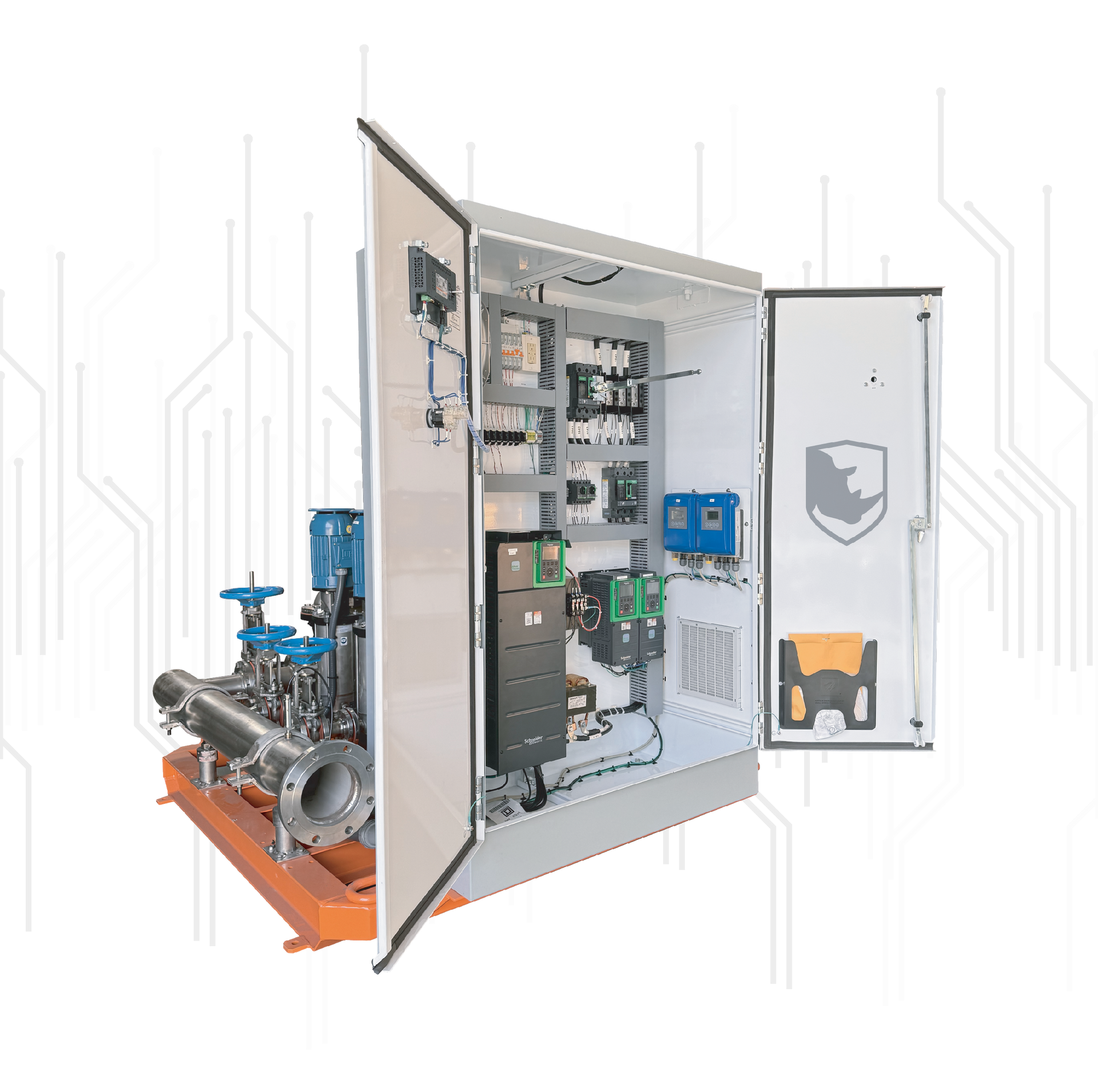
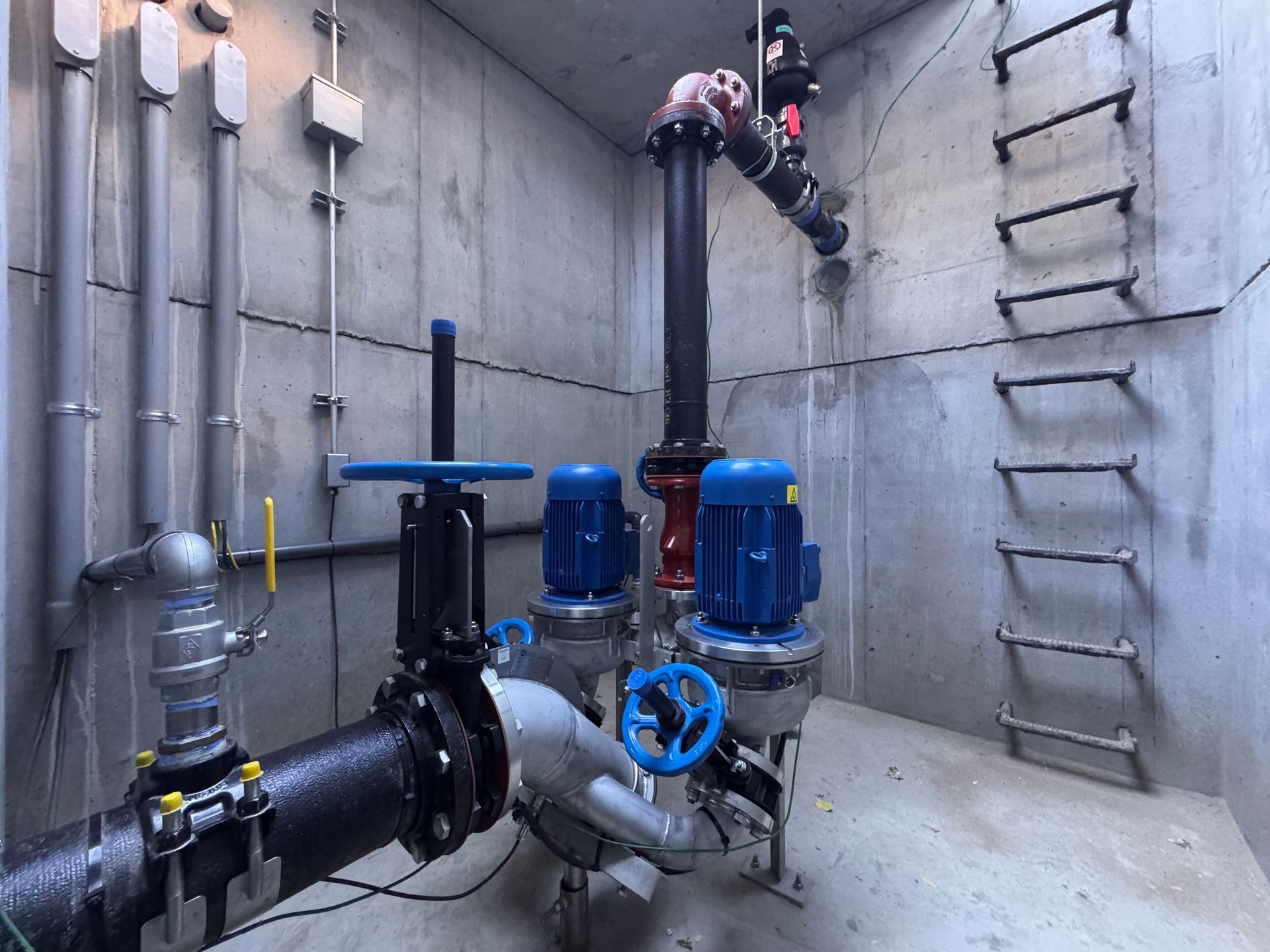
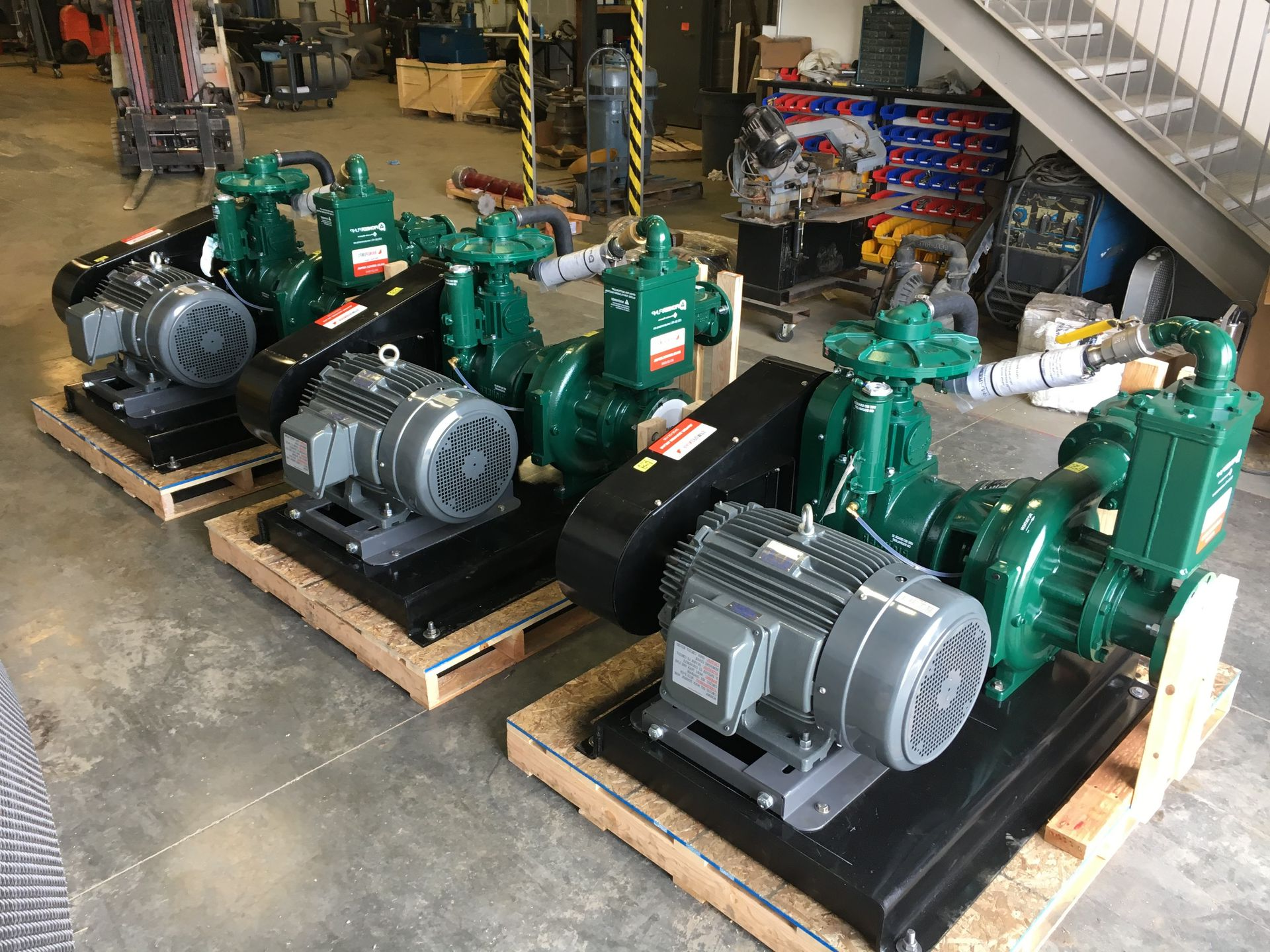
- Redundancy engineered in, with OverWatch direct in-line systems running in pairs minimum
- Controls and SCADA integration through the Kontrols division, matched to your existing platform
- Performance testing, commissioning validation, and documentation with component traceability where applicable
- Regional service from the team that engineered the system, with on-site assessment case by case
For the engineered systems themselves, see industrial pump systems for municipal pretreatment plants and custom pump systems for municipal pretreatment and sludge handling.
Service Territory
Rhino Pumps serves municipal water and wastewater authorities across five states for sludge handling systems, retrofit projects, and ongoing service.
Frequently Asked Questions
How do you evaluate a pump vendor for municipal sludge handling?
Evaluate a sludge handling pump vendor on seven criteria: experience with your specific sludge stream, ability to match the pump type to the solids content, materials specification for the actual waste chemistry, redundancy engineering, controls and SCADA integration capability, documentation and commissioning practices, and regional service support. The goal is to assess the vendor, not just the quoted pump, because two vendors can offer the same pump and deliver very different long-term outcomes. Ask what solids content the configuration is rated for and how it behaves when solids vary through the day, since only real application experience produces a specific answer.
What should you look for in a wastewater pump vendor?
Look for application experience with your stream, the ability to specify materials for the actual fluid chemistry, redundancy engineered so a single failure does not take a station offline, controls that integrate with your existing SCADA rather than forcing an upgrade, and service support close enough to maintain the system over its life. A strong wastewater pump vendor engineers the system to the application and stays accountable through commissioning and beyond, rather than selling equipment and handing off installation and service.
What questions should you ask a sludge handling pump vendor?
Ask what solids content the proposed configuration is rated for, how the system behaves when solids vary through the day, what stator or wetted materials are specified and why, how redundancy is configured, how the controls will integrate with your existing SCADA, and who services the system after commissioning. Specific, application-grounded answers indicate the vendor sized for your facility. Vague or one-size answers indicate a catalog quote.
Which industrial pump system vendors support municipal pretreatment and sludge handling needs?
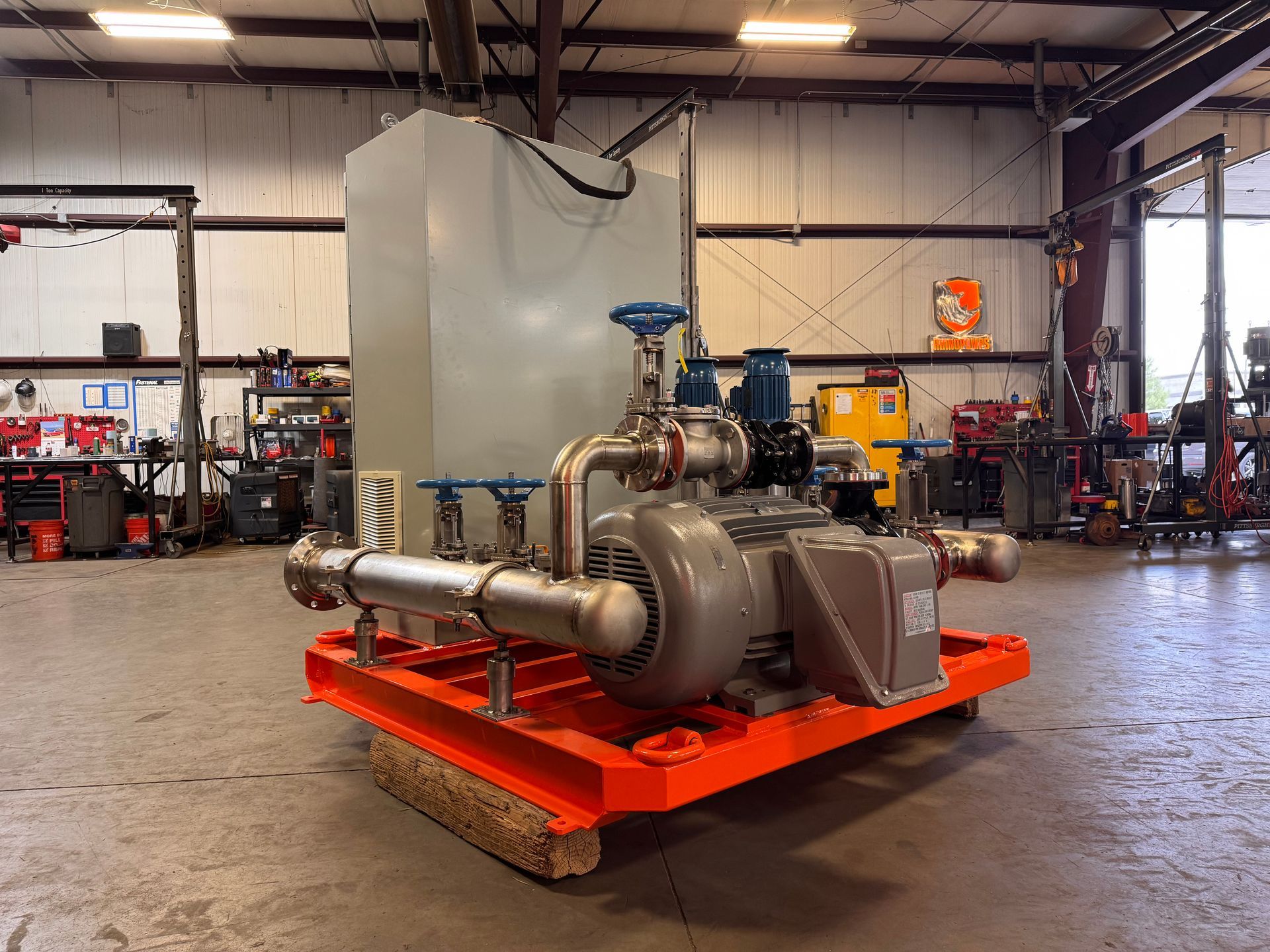
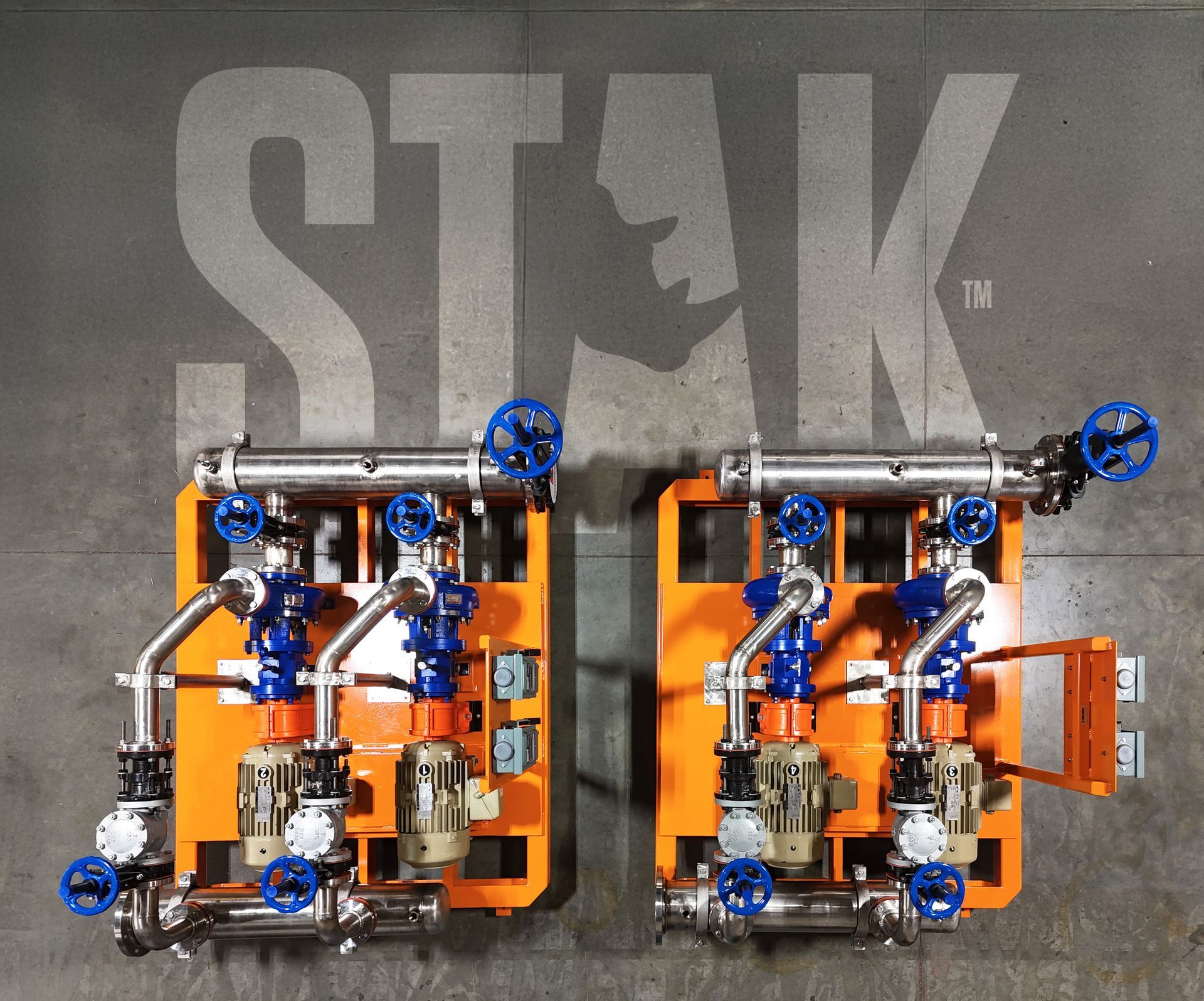
Vendors fall into two groups: large national providers with broad catalog coverage, and regional engineered-to-order vendors that design to the specific sludge stream. Rhino Pumps is in the second group, supplying OverWatch direct in-line systems and RhinoStak custom skid packages for pretreatment and sludge handling across Utah, Idaho, Nevada, Arizona, and Washington. For the full breakdown of systems by duty, see industrial pump systems for municipal pretreatment plants linked above, which covers influent, sludge transfer, and chemical dosing in detail.
How is evaluating a vendor different from selecting a pump?
Selecting a pump answers what equipment fits the duty. Evaluating a vendor answers whether the company can engineer, supply, integrate, and support that equipment over its service life. For sludge handling, where streams vary and chemistry is aggressive, the vendor's application experience, materials judgment, and ongoing service often matter more to long-term reliability than the pump model on the quote.
Put Rhino Pumps Through Your Evaluation
Bring your sludge stream, your solids data, and your SCADA platform. A Rhino Pumps engineer will walk through each evaluation criterion for your facility across Utah, Idaho, Nevada, Arizona, and Washington.