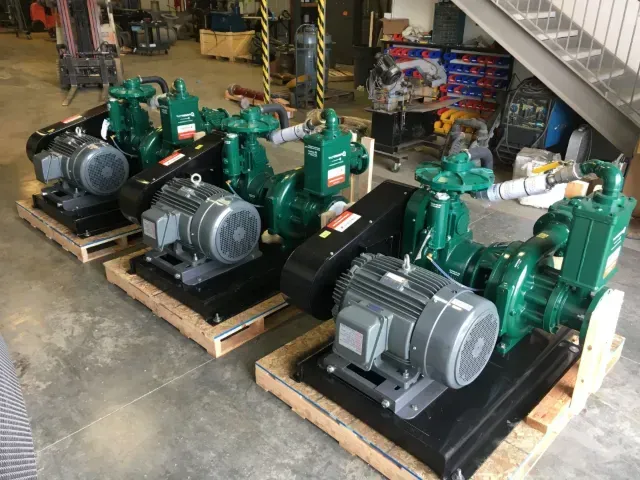
Deep mine dewatering is one of the most demanding pump duties there is. Water has to be lifted hundreds of feet against high head, it is often abrasive and chemically aggressive, and the pumps run continuously because the moment dewatering stops, the workings begin to flood. Vertical turbine pump systems are built for this duty, and when they are engineered to the specific depth, water chemistry, and duty cycle of the mine, they become the backbone of reliable mine water management. Rhino Pumps engineers, supplies, and services vertical turbine systems for mining operations across the Mountain West.
The Deep Mine Dewatering Challenge
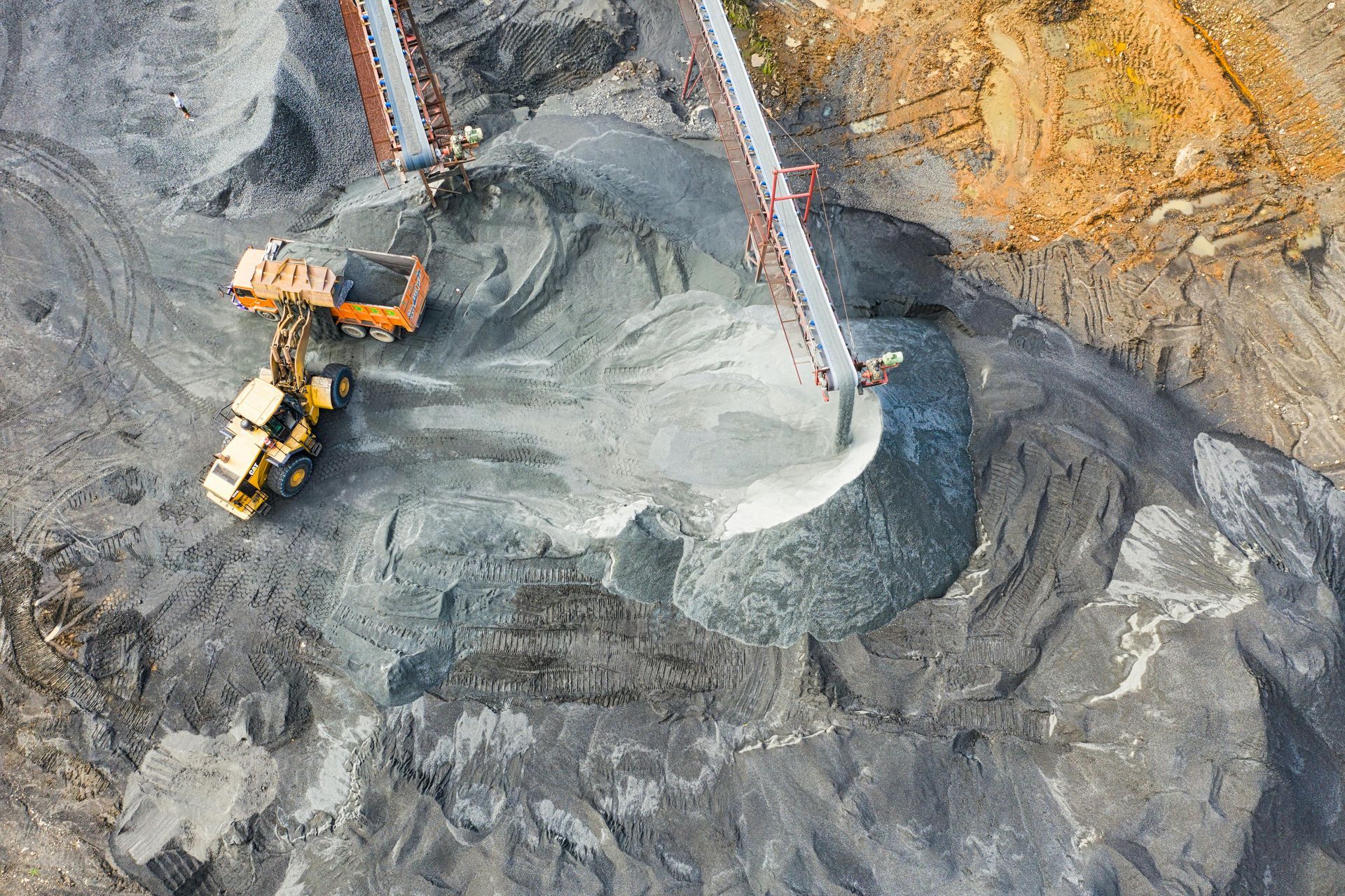
Groundwater and process water collect in the lowest points of a mine, and they have to be moved out continuously to keep the workings dry and safe. The deeper the mine, the higher the head the pumps have to overcome, and the more a failure costs. A flooded level is not just lost production, it is a safety event and a recovery effort that can take weeks.
The water itself makes the duty harder. Mine water frequently carries suspended solids that abrade pump components, and it can be acidic where acid mine drainage is present. A pump selected from a catalog for clean water at moderate head will wear quickly and fail early under these conditions. Reliable mine dewatering depends on a system engineered for the actual depth, water chemistry, and duty the mine produces.
Why this duty rewards engineering: Deep mine dewatering combines high head, abrasive and aggressive water, and continuous operation. Those are exactly the conditions where a standard pump fails early. Matching pump type, staging, and materials to the real conditions is what turns dewatering from a recurring failure point into a reliable system.
Why Vertical Turbine Pumps Fit Deep Mine Dewatering
High Head Through Staging
Vertical turbine pumps are multistage by design. Adding bowl stages builds the head needed to lift water out of deep sumps and shafts without oversizing a single-stage pump.
Built for Sumps and Shafts
The bowl assembly sits down in the water while the driver stays at surface or above the water line, which suits the deep, confined geometry of mine sumps and shafts.
Material Flexibility
Bowls, impellers, and wetted components can be specified in abrasion-resistant and corrosion-resistant materials matched to solids-laden or acidic mine water.
Configurable Duty Point
Stage count and impeller selection let the system be tuned to the actual flow and head of the mine rather than forced onto a fixed catalog curve.
Continuous Operation
Engineered for the continuous heavy duty that dewatering demands, with materials and clearances chosen for sustained run hours rather than intermittent service.
Serviceable Construction
The staged construction allows wear components to be rebuilt and replaced, which extends service life in abrasive conditions when supported by a capable repair shop.
What Drives Mine Dewatering Reliability
The pump type is the starting point, but reliability over the life of the operation comes from how the full system is engineered and supported. These are the factors that decide whether dewatering holds up.
| Reliability Factor | What It Means for the Mine |
|---|---|
| Materials for the water | Abrasion and corrosion-resistant materials matched to the solids content and chemistry of the actual mine water, not a default specification. |
| Redundancy | Duty and standby capacity so a single pump going down for service does not stop dewatering or risk flooding. |
| Monitoring | Instrumentation and controls that surface developing problems early, before a failure becomes a flooded level. |
| Correct duty point | Staging and sizing that put the pump near its Best Efficiency Point, reducing wear and energy cost over continuous operation. |
| Service support | Access to rebuilds and parts from a shop that understands abrasive mining duty, with regional coverage close to the operation. |
How Rhino Pumps Engineers a Mine Dewatering System
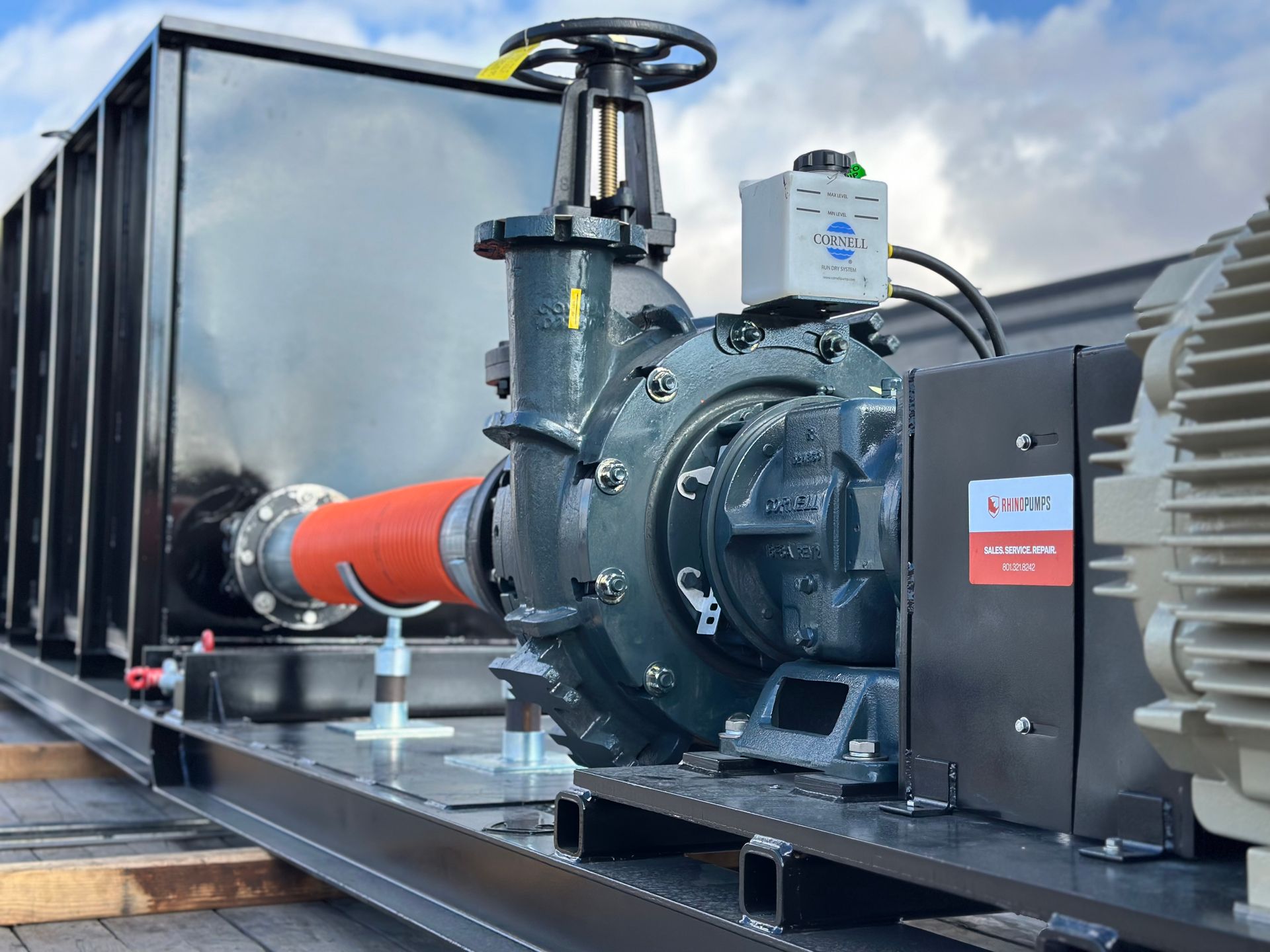
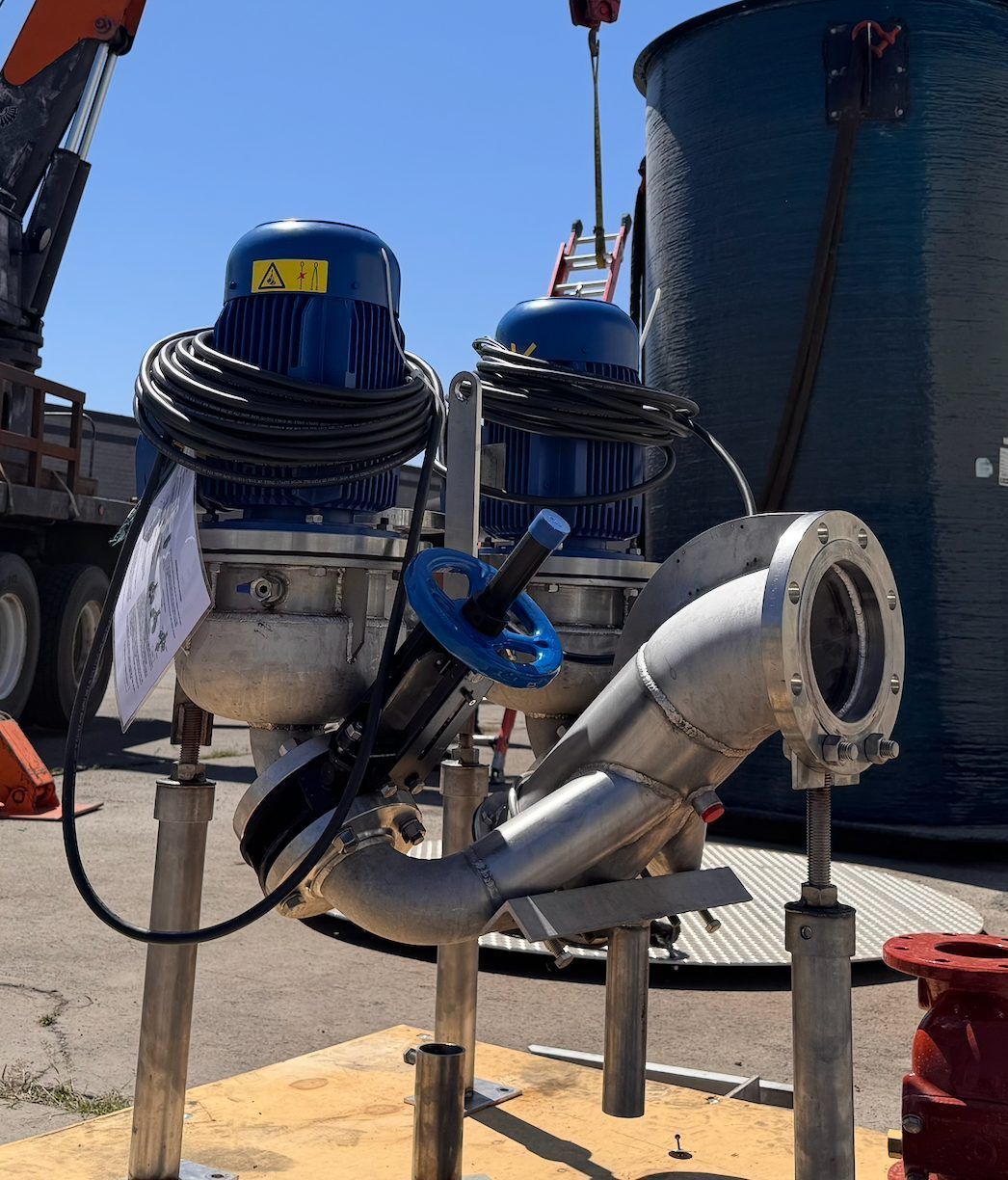
Rhino Pumps engineers vertical turbine and custom pump systems for the specific conditions of each mine rather than supplying a catalog pump and hoping it holds up. For applications that call for a packaged system, RhinoStak custom skid packages are built to the duty, with controls available as an option.
Water and Duty Review
We start with the actual conditions: depth and head, flow requirements, solids content, water chemistry, and the duty cycle the dewatering system has to sustain.
Pump and Materials Selection
Stage count, impeller selection, and abrasion and corrosion-resistant materials are chosen for the worst-case conditions of the mine, not the average.
System and Controls Engineering
Redundancy, instrumentation, and monitoring are engineered into the system. Controls are available as an option and configured to the operation's existing infrastructure.
Fabrication and Testing
Equipment is fabricated, assembled, and tested before delivery, with performance confirmed against the design.
Service, Repair, and Rebuilds
Ongoing service and abrasion-duty rebuilds from the team that engineered the system, including in-house machining and dynamic balancing. On-site assessment is handled case by case, and turnaround varies by project.
Service Territory
Rhino Pumps supports mining operations across six states with vertical turbine and custom dewatering systems, service, and repair.
Pump repair work is also accepted from Oregon, New Mexico, Wyoming, and Montana.
Frequently Asked Questions
How do vertical turbine pump systems affect deep mine water management reliability?
Vertical turbine pump systems affect deep mine water management reliability by moving accumulated water out of deep sumps and shafts against the high head that depth creates, using a multistage bowl assembly suited to that duty. Their reliability in a mine depends on materials matched to abrasive and sometimes acidic water, redundancy so dewatering never stops, correct sizing near the Best Efficiency Point, and monitoring that catches developing problems before a failure floods the workings. Rhino Pumps engineers vertical turbine systems for the specific depth, water chemistry, and duty cycle of each mine, and services them across Utah, Idaho, Nevada, Arizona, Washington, and Colorado.
How do custom engineered pump solutions improve mine dewatering reliability?
Custom engineered pump solutions improve mine dewatering reliability by matching pump type, staging, materials, and controls to the actual conditions of the mine rather than adapting a catalog pump. Mine water is often abrasive and chemically aggressive, the head is high, and the duty is continuous, which is exactly where a standard pump wears early and fails. Engineering the system to those conditions, including abrasion and corrosion-resistant materials and built-in redundancy, removes the compromises that cause unplanned dewatering failures. Rhino Pumps engineers RhinoStak custom pump packages for mine dewatering, with controls available as an option.
How do vertical turbine pump systems improve deep mine dewatering reliability?
Vertical turbine pump systems improve deep mine dewatering reliability because their multistage design builds the head needed to lift water out of deep workings efficiently, and the bowl assembly can be configured with materials and clearances suited to abrasive, solids-laden mine water. Configured with redundancy and monitoring, a vertical turbine system keeps water moving out of the mine continuously, which protects both production and safety. Rhino Pumps engineers, supplies, and services vertical turbine pump systems for deep mine dewatering across Utah, Idaho, Nevada, Arizona, Washington, and Colorado, with on-site assessment handled case by case.
What pump type is best for deep mine dewatering?
For deep dewatering where water has to be lifted against high head from sumps and shafts, vertical turbine pumps are a strong fit because their multistage design builds head efficiently and the bowl assembly suits the deep, confined geometry. The best choice still depends on the specific depth, flow, solids content, and water chemistry of the mine, which is why the system should be engineered to those conditions rather than selected from a catalog. Rhino Pumps reviews the actual conditions before recommending a configuration.
Does Rhino Pumps repair and rebuild mine dewatering pumps?
Yes. Rhino Pumps provides repair and rebuild services for mine dewatering pumps, including in-house machining and dynamic balancing to ISO 1940, with materials selected for abrasive mining duty. Service is provided across the Mountain West, with on-site assessment handled case by case and turnaround that varies by scope and parts availability.
Engineer Reliable Dewatering for Your Mine
Bring your depth, your water chemistry, and your flow requirements. A Rhino Pumps engineer will design a vertical turbine or custom dewatering system to the duty across Utah, Idaho, Nevada, Arizona, Washington, and Colorado.