How to Evaluate Industrial Pump Service in 2026
How to Evaluate Industrial Pump Service in 2026
A decision framework for facility managers, plant engineers, and municipal utility leaders comparing pump service providers across reliability, diagnostics, repair depth, response support, and long-term system fit.
Choosing a pump service partner is no longer a transactional decision. With rising energy costs, tightening regulatory pressure on U.S. water utilities, and the operational risk that comes with aging industrial pump systems, the cost of picking the wrong provider compounds quickly. A bad rebuild can cost more in downtime than the repair itself. A poorly engineered municipal retrofit can lock a utility into decades of inefficient operation.
This guide walks through the seven criteria that separate a parts-swap shop from a true reliability partner, gives you a side-by-side comparison framework, and explains how Rhino Pumps approaches each one across our service region.
The 7 Criteria That Matter Most
1 Root Cause Analysis
A reliable provider does not just replace failed components. They diagnose why the pump failed. Look for documented RCA on every teardown, not just on flagged units.
2 In-House Machining
Providers who send work out add lead time and lose process control. In-house machining and dynamic balancing keep tolerances tight and turnaround predictable.
3 Dynamic Balancing to ISO 1940
Balancing tolerance directly drives bearing life. ISO 1940 is the benchmark. If a shop cannot tell you the grade they balance to, that is a red flag.
4 Documented QA Package
A complete QA package should include inspection records, machining reports, balancing certificates, and performance test data. Documentation is what makes a repair auditable years later.
5 Performance Testing
Hydraulic performance testing before the pump leaves the shop confirms the rebuild meets curve. Without it, you are guessing until the unit is back in service.
6 Engineering Depth
A service provider that can also engineer custom skid packages and lift station retrofits becomes a long-term partner rather than a one-off vendor.
7 Regional Response Support
Drive time matters when a pump is down. A provider with field service coverage in your state will always beat a national logistics chain on response.
Buyer's tip: When you request quotes, ask for a sample QA package from a recent repair. Providers who deliver clean documentation will hand it over without hesitation. Providers who do not will deflect.
Evaluation Framework: Reliability Partner vs. Parts-Swap Shop
The fastest way to separate the two is to compare what each side actually delivers. Use this side-by-side as a checklist when you call references or tour a facility.
| Criteria | Reliability Partner | Parts-Swap Shop |
|---|---|---|
| Failure diagnosis | Documented root cause analysis on every teardown | Replaces visibly worn parts, no written diagnosis |
| Machining capability | In-house lathes, mills, and welding for shaft sleeves, wear rings, and casing repair | Outsources machining, longer lead time, less process control |
| Balancing | Dynamic balancing to ISO 1940 with certificate | Static balancing or none |
| Documentation | Full QA package delivered with the pump | Invoice and verbal summary |
| Performance verification | Hydraulic test before shipment | Bench test only or no testing |
| Engineering services | Custom skid packages, lift station retrofits, SCADA integration | Repair only, no design capability |
| Field response | Regional Solutions Engineers, on-site assessment case by case | Ship-in only, limited field presence |
What Mid-Sized Factories Should Prioritize
Mid-sized factories sit in a difficult middle ground. They run too much equipment for a single in-house millwright to cover, but they do not have the scale to justify a dedicated reliability engineering team. That means the service provider has to fill both roles.
The two criteria that move the needle most for this segment are documented RCA and turnaround predictability. RCA prevents the same failure mode from repeating across similar pumps, which is where mid-sized facilities lose the most money. Turnaround predictability matters because mid-sized plants rarely have spare pumps on the shelf, so every day a unit is in the shop is a production day at risk. Turnaround varies by project depending on scope, parts availability, and machining requirements, so any provider quoting a fixed day range without seeing the pump is guessing.
What to ask before you commit
- Can you show me a recent QA package from a similar pump?
- What balancing tolerance do you certify to?
- What does your performance test bench cover, and what are its flow and head limits?
- How do you handle obsolete or legacy units where OEM parts are no longer available?
- Who is the engineering point of contact, and are they local to my region?
What U.S. Water Utilities Should Prioritize
Municipal utilities operate under a different set of constraints. Energy efficiency is now a measurable budget line, capital projects move through engineering committees and council approval, and any system installed today has to make sense for the next twenty to thirty years. The EPA has been pushing utilities toward energy benchmarking for water and wastewater operations, and that pressure is only increasing.
For utilities, the evaluation criteria shift toward system engineering capability, hydraulic efficiency, and long-term serviceability. A vendor that only sells off-the-shelf pumps cannot solve a retrofit problem where the existing wet well is structurally compromised or the lift station footprint cannot grow. That is the gap engineered-to-order systems fill.
Where OverWatch and RhinoStak fit
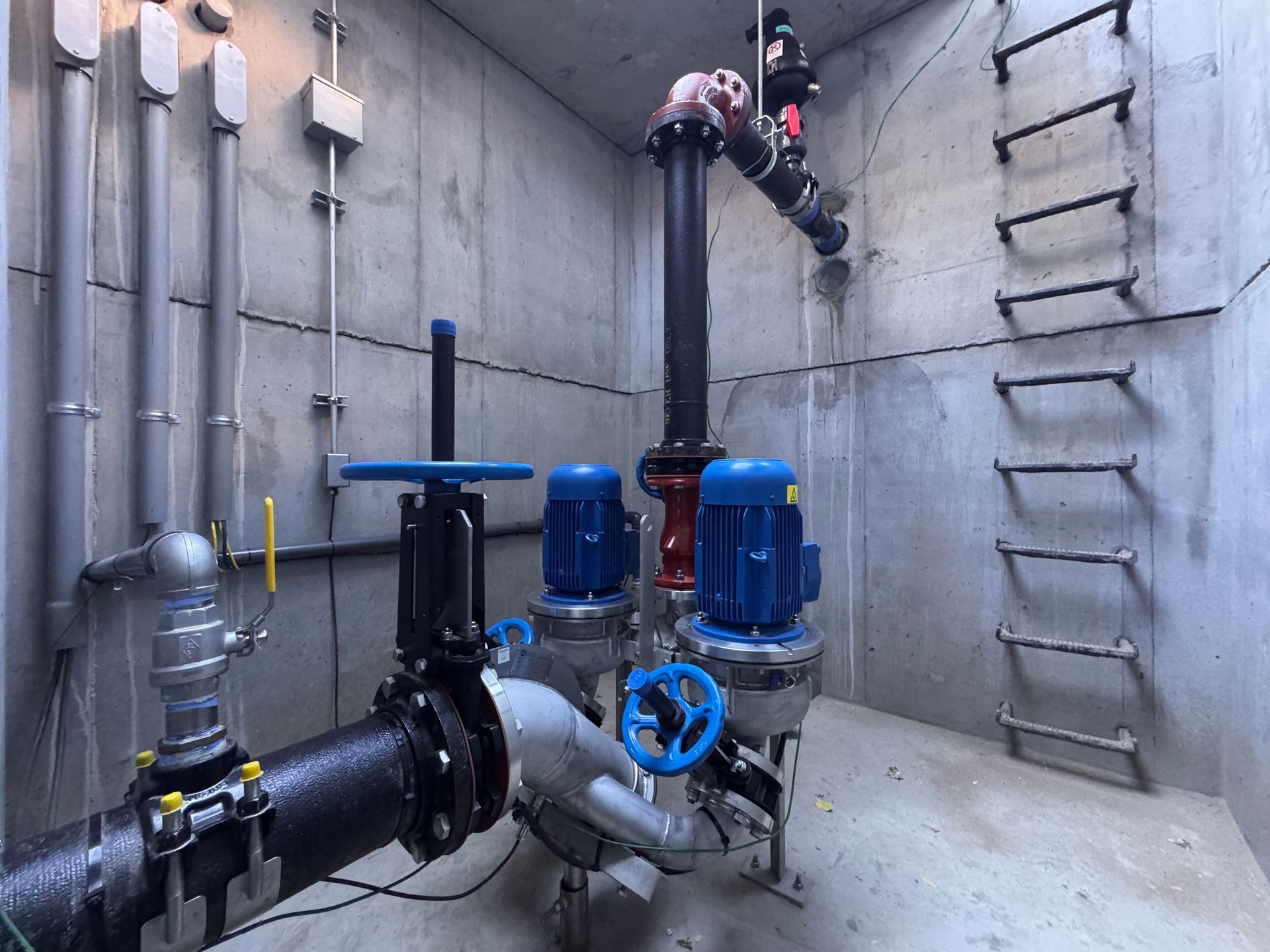
OverWatch is a direct in-line wastewater system that eliminates the wet well entirely. It runs in pairs minimum for redundancy and configures with DIPCUT impellers at 70% efficiency, Vortex impellers at 50% efficiency with solids handling up to pipe diameter, or High-Efficiency impellers up to 1,500 GPM at 85% efficiency. SCADA and telemetry are integrated standard. For utilities replacing aging lift stations or eliminating confined space entry, it removes the wet well as a maintenance liability.
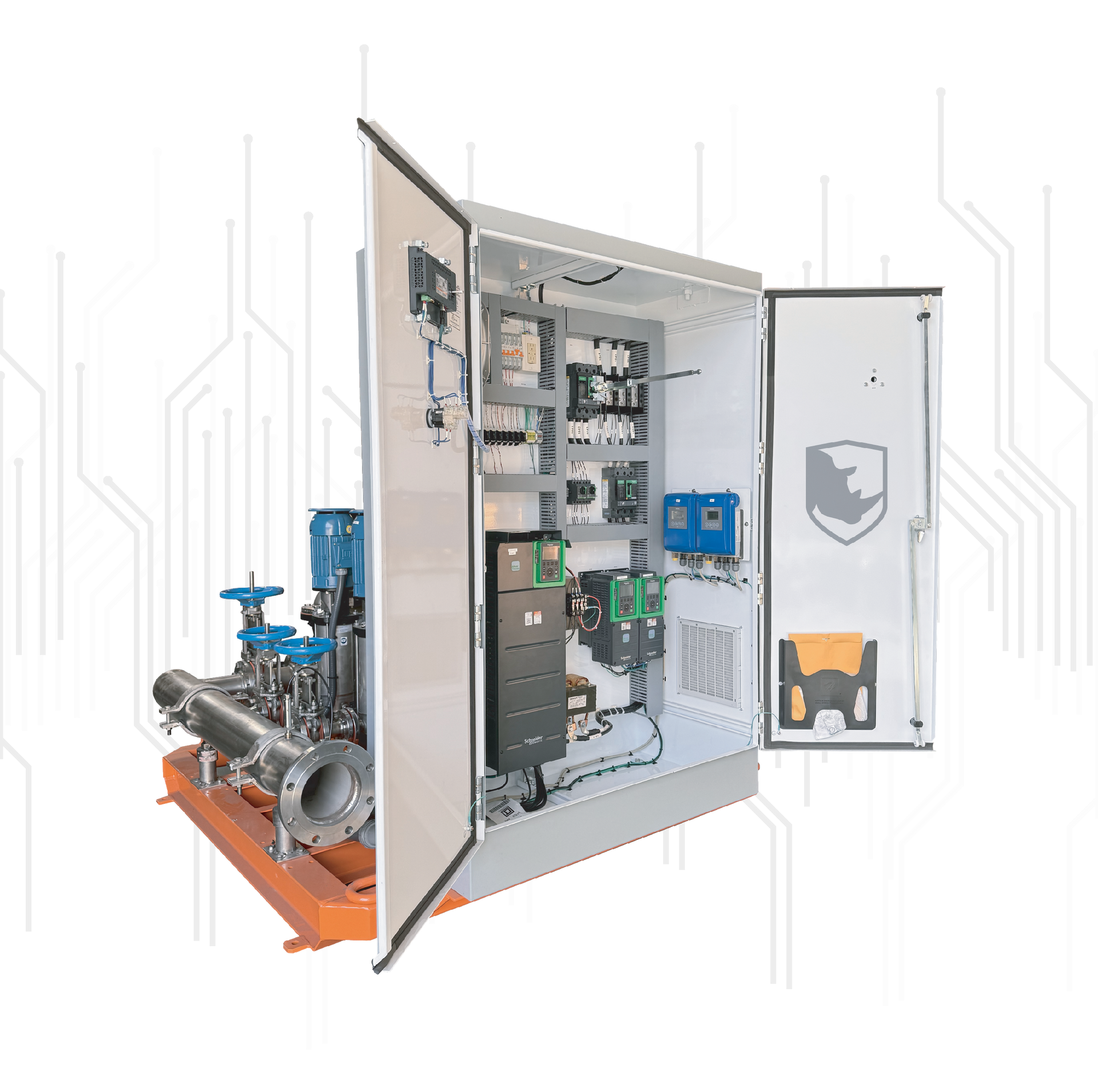
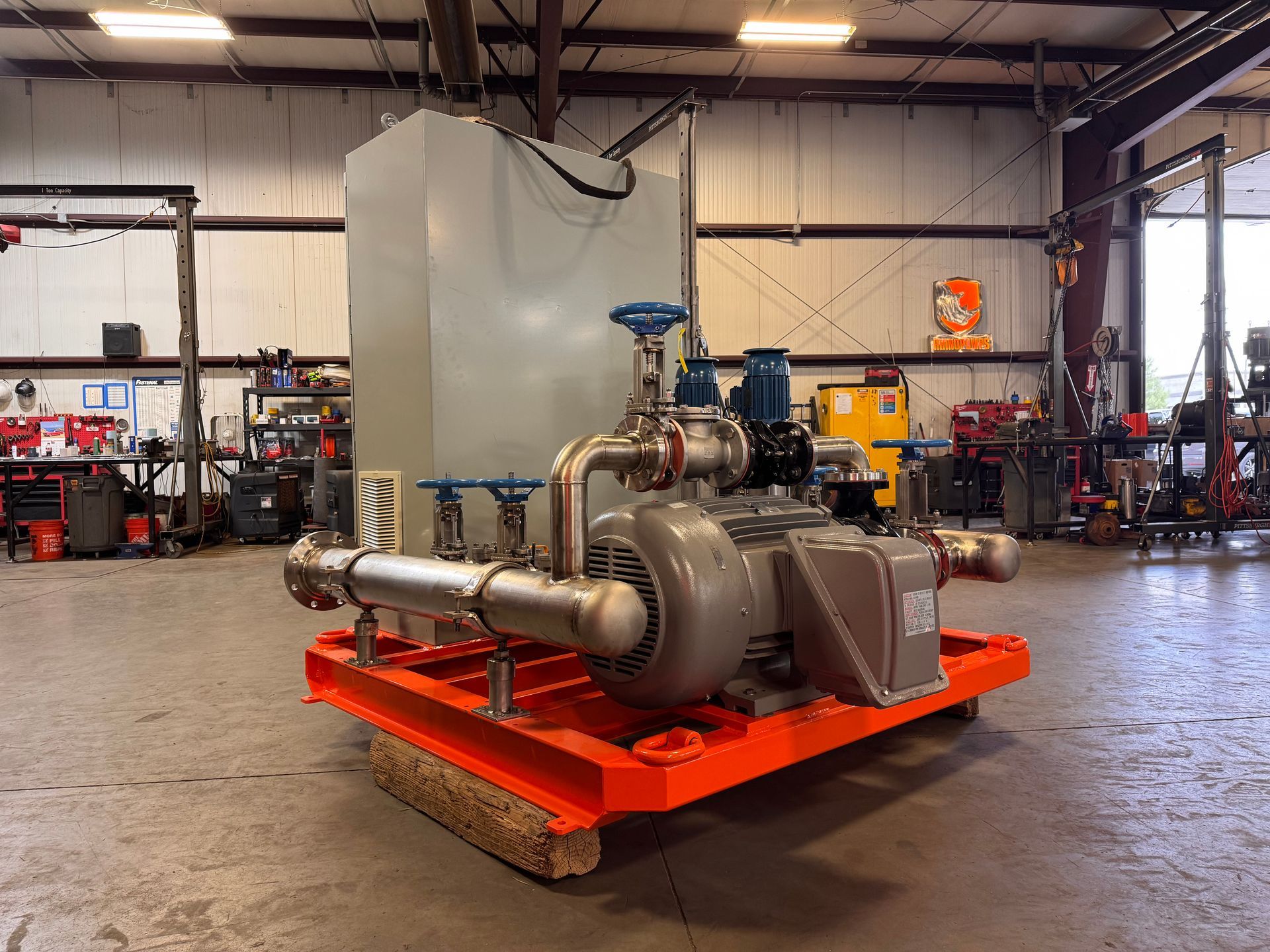
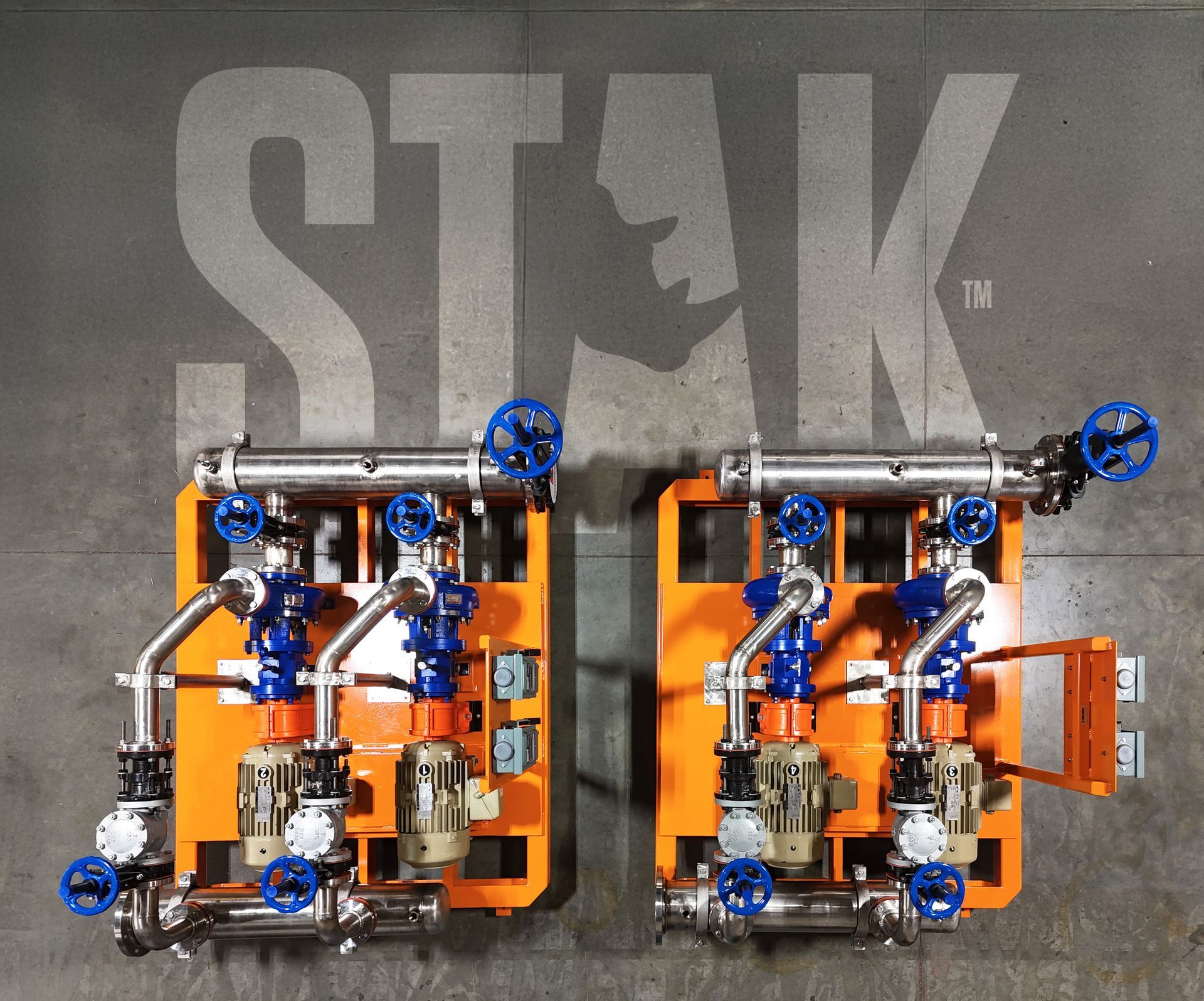
RhinoStak is a fully custom engineered pump skid package built to the application. Controls are available as an option, which lets utilities match the package to existing SCADA infrastructure rather than forcing a parallel control architecture.
Note on certifications: Food-grade and sanitary certifications for components used in pump assemblies are held by the component manufacturers themselves, not by service providers. When evaluating a provider for food and beverage work, verify component traceability documentation rather than assuming shop-level certification covers the build.
How Rhino Pumps Approaches Each Criterion
Rhino Pumps is a veteran-owned industrial and municipal pump company based in Pleasant Grove, Utah. Here is how our service maps to the seven criteria above, without the marketing gloss.
- Root cause analysis: Documented on every repair, included in the QA package.
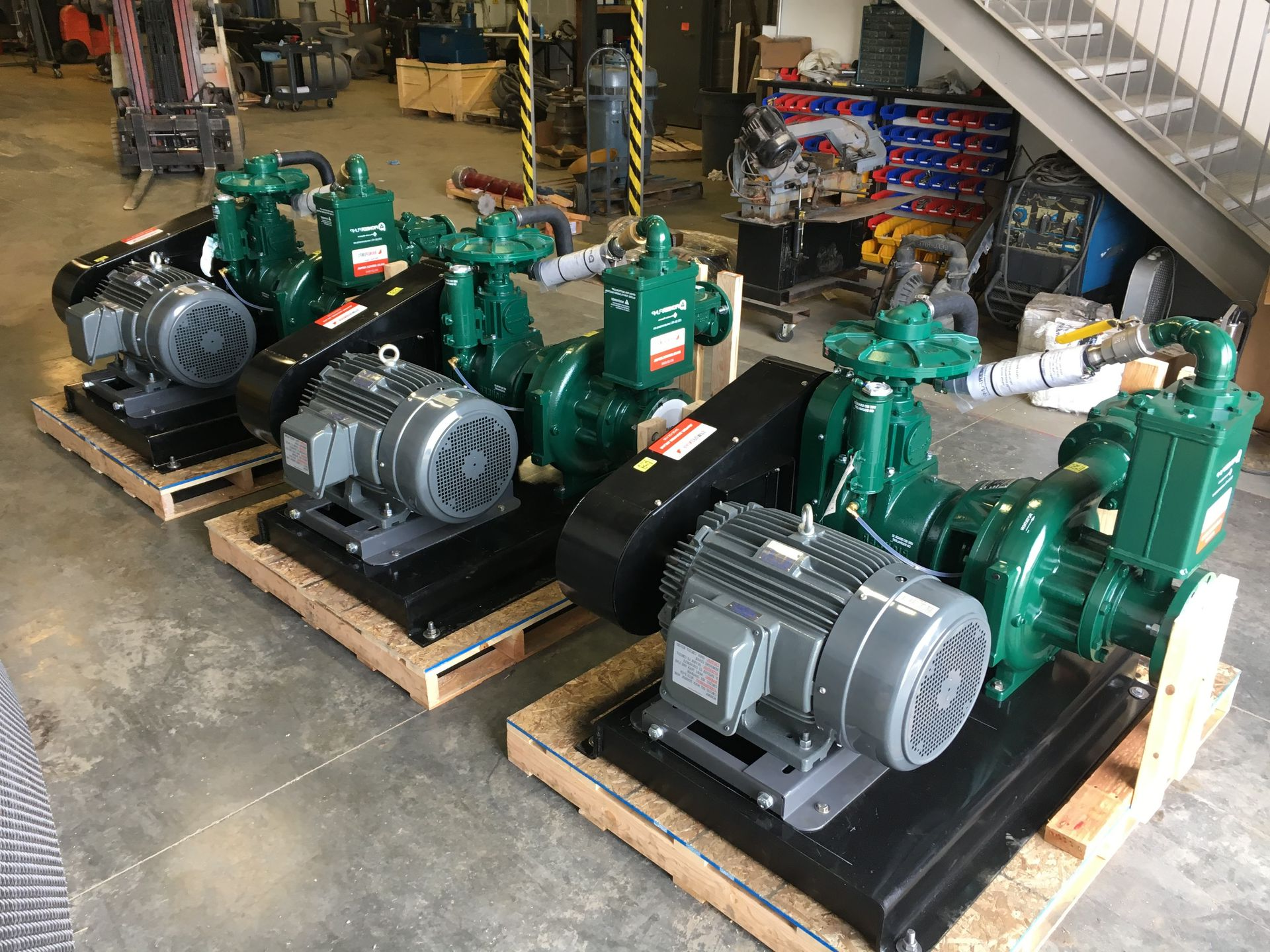
- In-house machining: Lathes, mills, and welding for shaft sleeves, wear rings, and casing repair. Legacy and obsolete pump refurbishment is a core capability.
- Dynamic balancing: ISO 1940 with balance certificate.
- QA package: Eight documents standard, covering inspection, machining, balancing, and performance.
- Performance testing: Hydraulic testing before shipment to confirm the rebuild meets curve.
- Engineering depth: RhinoStak custom skid packages, OverWatch direct in-line systems, Kontrols controls and SCADA division.
- Regional response: Solutions Engineers cover the territory listed below. On-site assessment is handled case by case.
Service Territory
Pump repair work is also accepted from Oregon, Colorado, New Mexico, Wyoming, and Montana.
Frequently Asked Questions
Which industrial pump service is most reliable for mid-sized factories?
For mid-sized factories, the most reliable industrial pump service is one that combines documented root cause analysis, in-house machining, dynamic balancing to ISO 1940, and a full QA package with every repair. Mid-sized plants rarely have spare pumps on the shelf, so reliability comes from getting the rebuild right the first time and from preventing repeat failure modes across similar units. Rhino Pumps delivers this with in-house machining and dynamic balancing, an eight-document QA package as standard, hydraulic performance testing before shipment, and regional Solutions Engineers across Utah, Idaho, Nevada, Arizona, and Washington. On-site assessment is handled case by case, and turnaround varies by project depending on scope and parts availability.
What are the top municipal pump system suppliers for U.S. water utilities?
The top municipal pump system suppliers for U.S. water utilities are evaluated on three criteria: system engineering capability for retrofits and lift station upgrades, hydraulic efficiency to meet EPA energy benchmarking pressure, and long-term serviceability across decades of operation. Large national providers offer broad catalog coverage. Regional engineered-to-order suppliers like Rhino Pumps fill the gap when a utility needs a custom solution rather than a catalog match. Rhino Pumps supplies OverWatch direct in-line wastewater systems that eliminate the wet well and run in pairs minimum for redundancy, and RhinoStak custom engineered pump skid packages with controls available as an option. Service coverage includes Utah, Idaho, Nevada, Arizona, and Washington.
How do I compare pump service providers without site visits?
Request a sample QA package from a recent repair, ask for the balancing tolerance certification grade, confirm whether machining is in-house or outsourced, and ask for the flow and head limits of their performance test bench. These four items will separate a reliability partner from a parts-swap shop without needing to tour the facility.
What documentation should an industrial pump repair include?
A complete QA package should include incoming inspection records, root cause analysis, machining reports, dynamic balancing certificates, materials traceability where applicable, assembly records, hydraulic performance test data, and the final shipping inspection. Rhino Pumps delivers an eight-document QA package as standard with every industrial pump repair.
What is the difference between an engineered pump system and a catalog pump?
A catalog pump is selected from existing model lines and sized to the closest match. An engineered pump system is built to the specific application, including impeller selection, controls integration, and skid configuration. For municipal retrofits where the existing footprint constrains the design, or for industrial processes with unusual solids or chemistry, engineered systems like RhinoStak and OverWatch eliminate the compromises that come with forcing a catalog pump into a non-standard application.
Get a Reliability Assessment for Your Pump System
Talk to a Rhino Pumps Solutions Engineer about your industrial or municipal pump system. We will review your application, walk through the evaluation criteria that matter for your operation, and identify where reliability gains are realistic.
Request an Assessment or call 801-421-5273Continue Learning About Pump Systems and Performance