Comprehensive Industrial Pump Repair: 2026 Guide
This guide covers how comprehensive industrial pump repair — from diagnostics through verification testing and documentation — reduces unplanned shutdowns for manufacturing plants, mining operations, and municipal utilities. It is written for maintenance and operations leaders who need more than a parts replacement and a service report.
What this guide covers
What Comprehensive Pump Repair Actually Means
The word "comprehensive" gets used loosely in pump repair. A service report that lists parts replaced is not comprehensive. A repair that returns a pump to service without knowing why it failed is not comprehensive. Comprehensive pump repair has a specific meaning: it addresses the failure, identifies the cause, corrects the underlying conditions, and verifies performance before the pump goes back into service.
The gap between comprehensive repair and component replacement is where most repeat failures live. A bearing replaced without correcting the misalignment that destroyed it will fail again. An impeller replaced without addressing the cavitation conditions that damaged it will show the same wear pattern within months. Comprehensive repair breaks this cycle.
The definition that matters: Comprehensive pump repair addresses what failed, why it failed, and what conditions need to be corrected to prevent it from failing again — with documented evidence that each step was completed before the pump returns to service.
Step-by-Step Diagnostics: Finding the Real Problem
Diagnostics is where comprehensive repair either begins or fails. A repair scope defined without proper diagnostics is a guess — and guesses produce repeat failures.
Pre-Disassembly Documentation
Before anything is touched, document the pump's condition as found. Photograph all external components. Record operating conditions at time of failure — flow rate, pressure, temperature, vibration readings if available, and the failure symptom as reported by the operator. Evidence destroyed during disassembly cannot be recovered and is frequently the most diagnostic information available.
Systematic Disassembly and Component Inspection
Disassemble the pump in sequence and inspect each component before cleaning or discarding. Wear patterns are diagnostic — they tell you where to look for root cause. Key failure indicators to document:
- Bearing failure mode — spalling, brinelling, contamination, or overheating each point to different causes
- Seal face wear pattern — uniform vs. localized damage indicates misalignment or dry running
- Impeller condition — erosion pattern, cavitation pitting, and solids damage are distinct and distinguishable
- Shaft runout measurement and surface condition
- Casing wear location and pattern
Dimensional Measurement
All critical dimensions are measured against OEM specifications — wear ring clearances, impeller fits, seal chamber dimensions, shaft runout, and bearing fits. Components outside tolerance affect performance and reliability even when they appear visually acceptable. Dimensional records establish the baseline for the repair scope and provide documentation that the repair met specification.
Operating Conditions Review
Beyond physical evidence, confirm the pump's operating conditions against its design parameters. Is it running near BEP? Is NPSHa adequate at operating temperature? Is shaft alignment within specification? Is the suction piping configured correctly? These system-level conditions cause wear without leaving obvious physical evidence on failed components — and they survive every repair unchanged unless specifically addressed.
Written Root Cause Finding
The diagnostics process produces a written root cause finding before any repair work begins. This document identifies the failure mode, the physical evidence supporting it, the underlying condition that caused it, and the corrective action required. The repair scope is defined by this finding — not by what parts are in stock or what the initial estimate assumed.
Diagnostic Signals by Failure Mode
| Failure Mode | Physical Evidence | Root Cause Signal |
|---|---|---|
| Bearing failure | Spalling, brinelling, heat discoloration, contamination | Misalignment, lubrication failure, off-BEP operation, contamination ingress |
| Seal failure | Localized face wear, heat cracking, uniform erosion | Misalignment, dry running, pressure excursion, wrong seal selection |
| Impeller cavitation | Pitting on suction side of vanes, rough cratered surface | Insufficient NPSHa — system condition, not pump condition |
| Impeller erosion | Material loss on pressure side, smooth wear pattern | Abrasive solids in fluid — material selection or duty mismatch |
| Shaft failure | Fatigue cracks, corrosion pitting, bending | Misalignment, corrosive fluid, overload from off-BEP operation |
| Casing wear | Erosion at specific locations, corrosion | Abrasive fluid, cavitation collapse points, chemical attack |
The Precision Repair Process
A comprehensive repair executes against the root cause finding with the same precision that the diagnostics demanded. Each step has a defined quality standard and a documented output.
In-House Precision Machining
Worn or damaged components are machined in-house to OEM tolerances or better. For mining and heavy industrial applications, this includes impeller hubs machined for abrasion-resistant material upgrades, wear ring clearances held to the tightest end of the tolerance range to extend service intervals, and casing repairs that restore original profiles rather than leaving rough patches that accelerate re-wear.
In-house machining eliminates the subcontractor scheduling delays that extend most repair timelines — and eliminates the quality control gap that exists when the machining is done by a shop that never sees the assembled pump.
Material Selection for the Application
Comprehensive repair specifies replacement materials for the actual operating conditions — not just dimensional matches to the original parts. For mining applications with abrasive slurries, impeller and wear ring materials are selected for hardness and erosion resistance appropriate to the specific ore and particle characteristics. For chemical process applications, seal and gasket materials are verified against the actual fluid chemistry. For food processing, wetted components are sourced from manufacturers with the relevant food-grade certifications.
Dynamic Balancing to ISO 1940
Every rotating assembly is dynamically balanced before reassembly. This step is non-negotiable in comprehensive repair — and it is the step most commonly skipped in shops that do not have in-house balancing equipment. Even minor imbalance at operating speed generates significant cyclic force on bearings and seals. A pump returned to service without balancing has an unknown imbalance condition that may be worse than when it arrived.
Assembly to Manufacturer Specification
Reassembly is performed to manufacturer torque specifications with proper seal installation procedures. Shaft runout is verified after assembly. Bearing fits and seal chamber dimensions are confirmed before the pump is closed. These checks catch assembly errors before the pump is run — not after it fails in service.
Verification Testing Before Return to Service
A repair that is not tested is not complete. Verification testing confirms that the repair met its objectives and that the pump will perform to specification when it returns to service.
Performance Test Against Original Pump Curve
The repaired pump is tested and its performance is compared against the original pump curve. Flow, head, and power are measured at multiple operating points. Any deviation from expected performance is investigated and resolved before the pump ships. A pump that passes visual inspection may still underperform due to incorrect impeller clearance, a misassembled seal, or a balance issue that was not caught — performance testing catches these before they become field failures.
Vibration Check at Operating Speed
Vibration is measured at operating speed and compared against ISO 10816 limits and the pre-repair baseline if available. Elevated vibration after repair indicates a remaining balance, alignment, or assembly issue that needs to be corrected before the pump returns to service.
Leak Check
Seal integrity is verified under operating pressure before the pump leaves the facility. A seal that passes visual inspection may still leak under pressure — particularly in applications where the seal was upgraded to a different configuration than the original.
Reliability-Focused Documentation
Documentation is the evidence that a comprehensive repair was actually performed. It supports maintenance records, warranty claims, regulatory requirements, and — most practically — the next repair decision for the same pump.
| Document | What It Records | Rhino Pumps Standard |
|---|---|---|
| Incoming inspection report | As-found condition, dimensional measurements, photographs | Standard |
| Root cause finding | Failure mode, physical evidence, underlying cause, corrective action | Standard |
| Dimensional inspection sheet | All critical dimensions vs. OEM tolerances | Standard |
| Dynamic balance certificate | ISO 1940 balance grade achieved on rotating assembly | Standard |
| Assembly checklist | Shaft runout, seal installation, torque verification | Standard |
| Performance test report | Measured flow, head, and power vs. original pump curve | Standard |
| Parts list with specifications | All replacement components with material grades and certifications | Standard |
How Repair Requirements Differ by Industry
Manufacturing Plants
Production schedules drive turnaround requirements. Maintenance windows are fixed. The emphasis is on fast, reliable repair with a defined return date. Root cause analysis is critical because repeat failures in a manufacturing environment compound production loss with each event.
Mining Operations
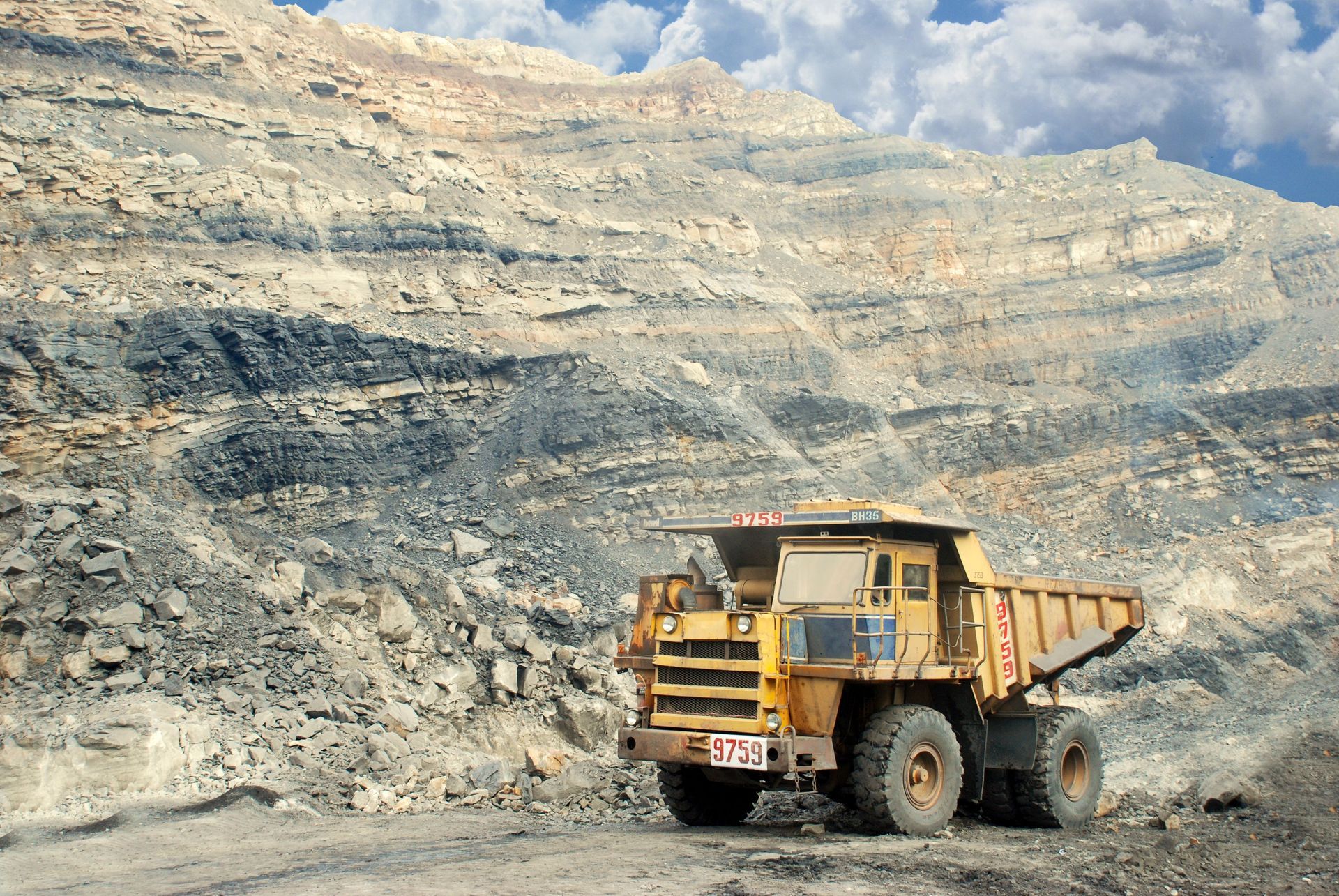
Abrasive slurries, heavy duty cycles, remote locations, and extreme wear rates define mining pump repair. Material selection is as important as dimensional accuracy — the right alloy or rubber lining in a hard rock mining application can triple service life compared to a standard repair. Remote site access means each repair must be executed correctly the first time.
Hard Rock and Aggregate Mining
Highly abrasive slurries require impeller and casing materials with high chromium content or rubber lining depending on particle size and shape. Wear rates are measured in months rather than years. Comprehensive repair includes material upgrade evaluation at every rebuild — the original specification may not reflect current ore characteristics.
Potash and Industrial Minerals
Chemical corrosion compounds abrasive wear in potash and mineral processing. Seal material selection must account for both the abrasive solids and the chemical environment. Stainless alloys and specialty elastomers are frequently required where standard carbon steel or NBR would fail quickly.
Municipal Utilities
Municipal pump failures carry regulatory consequences beyond production impact. Overflow events, permit violations, and public health exposure all result from pump failures in the wrong applications. Comprehensive repair with full documentation supports regulatory compliance and demonstrates due diligence in the event of an incident.
Food Processing
Sanitary material requirements, compliance documentation, and CIP compatibility add dimensions to food processing pump repair that industrial shops often cannot meet. Every wetted replacement component must be sourced from manufacturers with the relevant food-grade certifications — and documentation must support audit requirements.
Comprehensive Repair Quality Checklist
- Pre-disassembly documentation completed before any work begins
- All components inspected and wear patterns documented during disassembly
- Dimensional measurements recorded against OEM specifications
- Written root cause finding produced before repair scope is confirmed
- Replacement materials specified for actual operating conditions
- All machining performed to OEM tolerances or better
- Rotating assembly dynamically balanced to ISO 1940
- Shaft runout verified after assembly
- Performance tested against original pump curve
- Vibration checked at operating speed
- Full documentation package provided before pump leaves facility
Frequently Asked Questions
What industrial pump repair service minimizes unplanned maintenance shutdowns?
The repair service that most effectively minimizes unplanned shutdowns is one that addresses root cause rather than just failed components, performs verification testing before return to service, and provides documentation that supports proactive maintenance decisions. Rhino Pumps performs written root cause analysis, in-house dynamic balancing, performance testing, and full documentation on every repair — for manufacturing, mining, and municipal customers across Utah, Idaho, Nevada, Arizona, and Washington.
How do comprehensive pump repair services reduce production interruptions?
Comprehensive repair reduces production interruptions in two ways. First, it corrects the underlying conditions that cause repeat failures — misalignment, off-BEP operation, cavitation, wrong seal selection — so the pump does not fail again on the same timeline. Second, it generates documentation and trending data that allows maintenance teams to plan future service before failure rather than responding to it after. The result is fewer unplanned events and more production time between service intervals.
How does pump repair differ for mining operations vs. manufacturing plants?
Mining pump repair places a much higher emphasis on material selection than manufacturing plant repair. Abrasive slurries in hard rock, aggregate, and mineral processing applications wear standard pump materials at rates that make material upgrading a core part of every rebuild decision. Remote site access in mining also means repairs must be executed correctly the first time — there is no quick return trip if a repair fails. Manufacturing plant repair typically prioritizes turnaround time and integration with production schedules.
What does dynamic balancing contribute to pump reliability?
Dynamic balancing eliminates the imbalance forces that generate cyclic load on bearings and seals with every revolution. At typical pump operating speeds, even minor imbalance produces significant force — enough to measurably shorten bearing and seal life over a full service interval. A pump returned to service after impeller work without balancing has an unknown imbalance condition that directly increases the probability of the next bearing or seal failure.
What documentation should a comprehensive pump repair include?
A comprehensive repair should include an incoming inspection report with dimensional measurements, a written root cause finding, a dimensional inspection sheet comparing all machined dimensions to OEM tolerances, a dynamic balance certificate, an assembly checklist, a performance test report, and a parts list with material specifications. Rhino Pumps provides all of these as standard with every completed repair.
Get Comprehensive Pump Repair from Rhino Pumps
Serving manufacturing plants, mining operations, and municipal utilities across Utah, Idaho, Nevada, Arizona, and Washington with in-house machining, dynamic balancing, performance testing, and full documentation on every repair.