Selecting the wrong pump for a pretreatment application does not just reduce efficiency. It produces chronic maintenance problems, regulatory exposure, and premature equipment failure. These nine factors cover what municipal operators and engineers need to evaluate before specifying any pump system for pretreatment duty.
Why pretreatment pump selection is harder than standard municipal: Industrial dischargers introduce fluid characteristics (solids loads, chemical compounds, pH extremes, fats and oils) that vary by industry, by season, and sometimes by shift. A pump selected for average conditions in a stable environment will fail under pretreatment conditions that average nothing.
The 9 Selection Factors
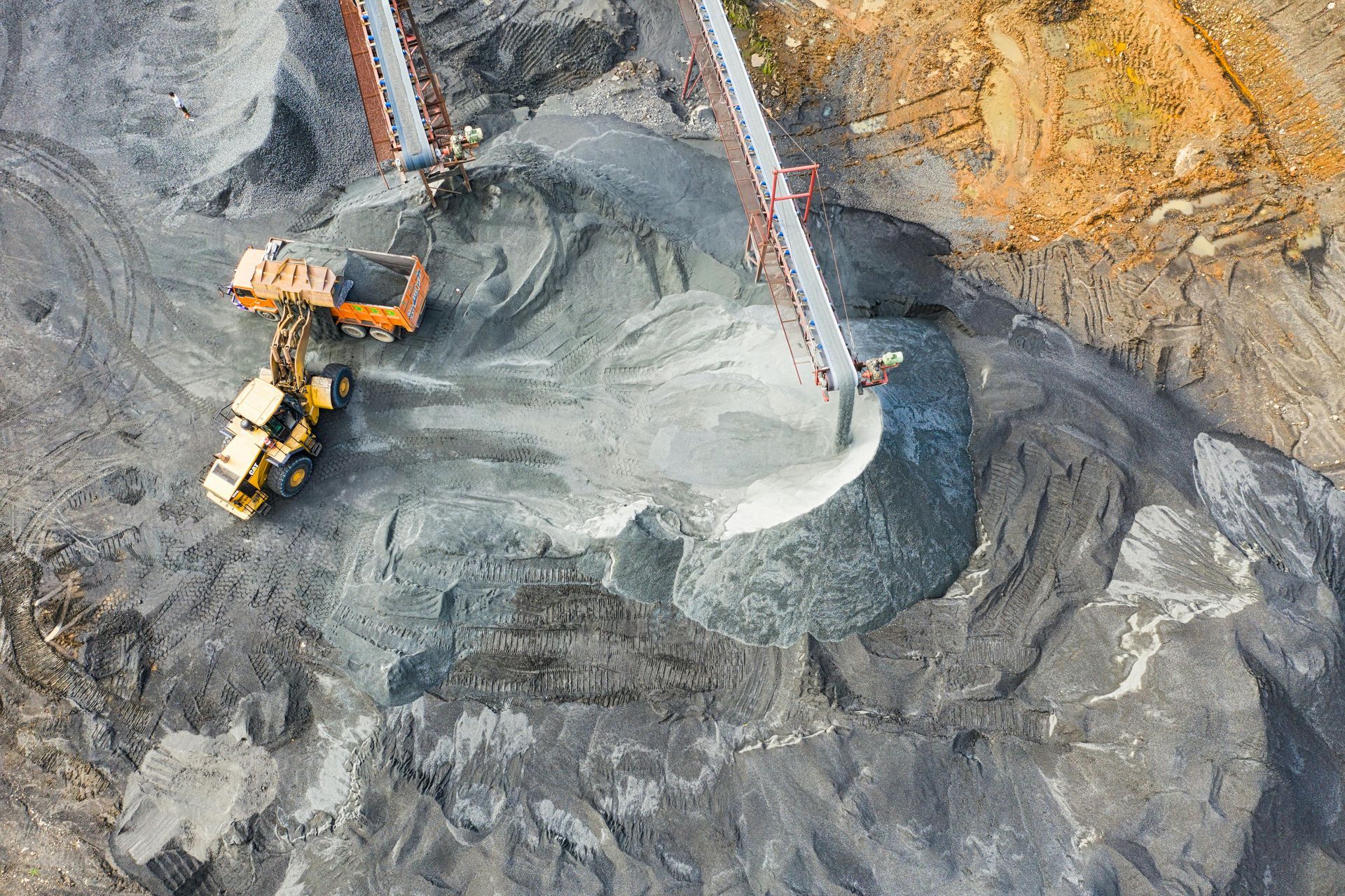
Solids content is the single most important selection factor for influent and sludge pumping in pretreatment. The solids concentration, particle size, and composition of the fluid determine whether a standard non-clog design will work, or whether a vortex or DIPCUT impeller is required.
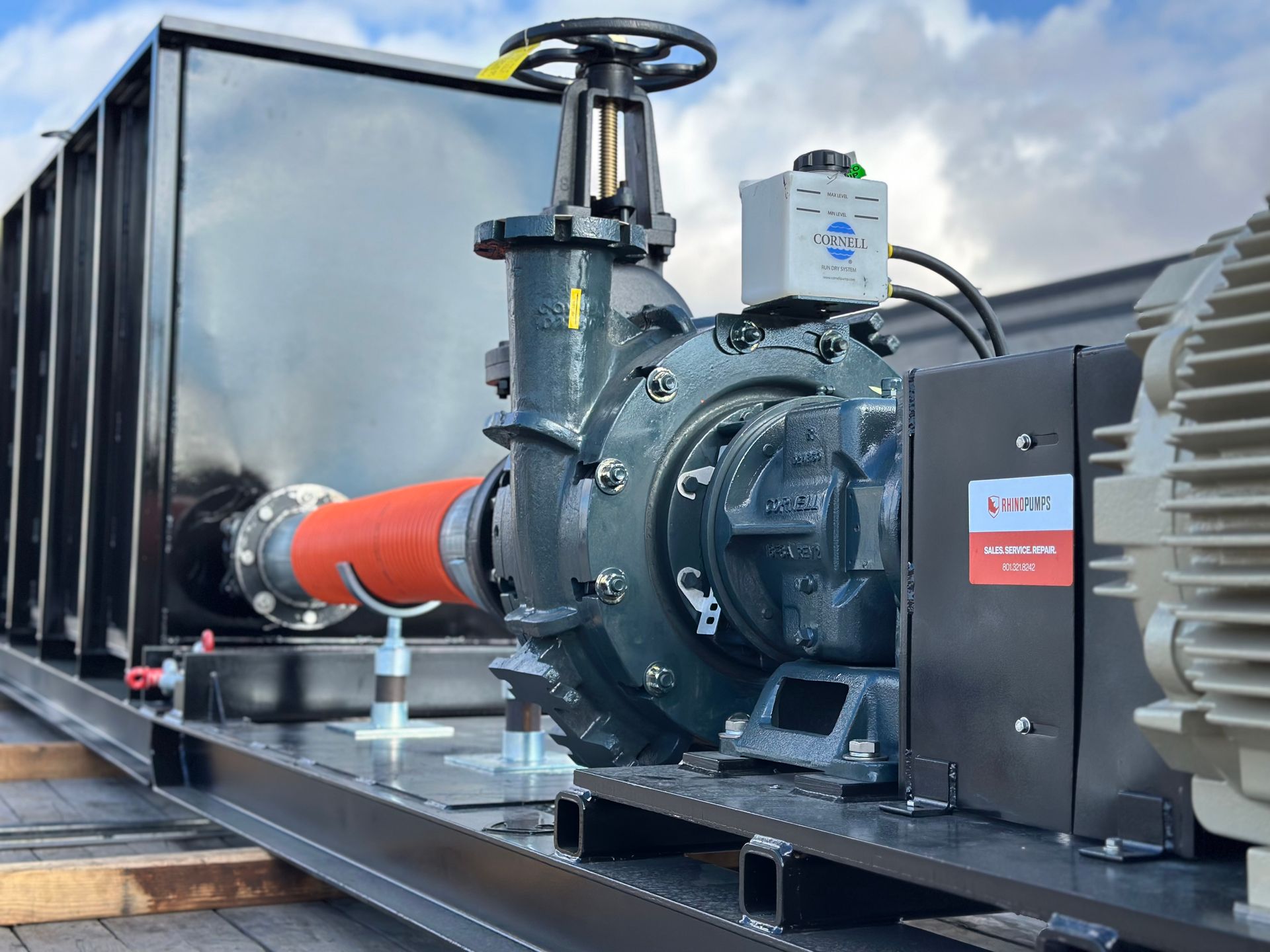
Standard non-clog impellers handle screened solids in manageable concentrations. Vortex impellers handle solids up to the pipe inlet diameter without contact, which makes them appropriate when solids size or content is variable or unknown. DIPCUT impellers actively cut fibrous material and rags before passing them through the pump.
If you cannot define the solids content with confidence, select for the worst case. A vortex impeller operating on lighter-than-expected solids costs efficiency. A non-clog impeller clogging on heavier-than-expected solids costs uptime.
Pretreatment influent flow is rarely constant. Industrial dischargers batch-process, shift changes create flow spikes, and seasonal production cycles shift average loads. A pump sized for average flow that is regularly operated at peak or minimum conditions will spend most of its life far from its Best Efficiency Point, accelerating bearing and seal wear with every off-curve hour.
Variable Frequency Drives allow centrifugal pumps to follow changing flow demand while maintaining near-BEP operation. For applications with extreme flow variability, multiple smaller pumps staged in sequence often outperform a single large pump sized for peak demand.
Define the full operating range (minimum, average, and peak flow) before sizing. A pump that performs well across the full range is worth more than one optimized only for average conditions.
Net Positive Suction Head available (NPSHa) must exceed the pump's required NPSHr at all operating conditions, not just at design flow. In pretreatment applications, elevated influent temperatures from industrial processes can dramatically reduce NPSHa by increasing vapor pressure. A pump with adequate NPSH margin at normal temperatures may cavitate when a high-temperature industrial discharge arrives.
Maintain a minimum NPSHa margin of 10 to 20 percent above NPSHr. In pretreatment applications with variable influent temperature, calculate NPSHa at the maximum expected fluid temperature, not the annual average.
Pretreatment facilities handle a wider range of chemical compounds than any other municipal application. Industrial influent may contain acids, solvents, heavy metals, and organic compounds. Chemical dosing systems handle pH adjustment chemicals, coagulants, flocculants, and disinfection agents. Each fluid has specific material compatibility requirements that affect impeller alloy, seal elastomers, casing material, and in some cases the pump type itself.
A seal or impeller material that is acceptable for standard municipal wastewater may fail within weeks in contact with certain industrial compounds. Material compatibility must be verified against the actual chemical composition of each fluid being pumped, not just the generic fluid category.
Request a material compatibility review for every wetted component against the specific chemicals in service. For industrial influent with unknown or variable chemical composition, consult with your pump supplier before finalizing materials.
Standard centrifugal pump performance curves assume water-like viscosity. As viscosity increases, pump head and flow decrease while power consumption increases. Industrial waste streams and thickened sludge can reach viscosities that make centrifugal pump selection entirely inappropriate. Progressive cavity or other positive displacement designs become necessary.
Specific gravity above 1.0 increases the hydraulic power required and must be factored into motor sizing. Many industrial waste streams carry dissolved and suspended solids that push specific gravity above what standard municipal wastewater calculations assume.
Apply Hydraulic Institute viscosity correction factors for any fluid above 2 cP. For thickened sludge above 4 to 6% solids concentration, evaluate progressive cavity pump designs before defaulting to centrifugal.
Chemical dosing in pretreatment directly affects effluent quality and regulatory compliance. pH adjustment, coagulant addition, and nutrient removal chemicals must be dosed within defined tolerances to achieve consistent treatment results. The pump type, sizing, and operating point all affect dosing accuracy in ways that flow rate alone does not capture.
Diaphragm metering pumps achieve ±1% accuracy when sized to operate at 60 to 80 percent of maximum stroke. The same pump operating at 10 percent of maximum stroke loses accuracy significantly. Peristaltic pumps maintain accuracy across a wider operating range but produce pulsating flow that requires management on long discharge runs.
Size metering pumps to operate at 60 to 80 percent of maximum capacity at the normal set point. Include a calibration column in the package design. Verify accuracy quarterly against process measurement, not just against pump output.
Pretreatment facilities typically operate under permit conditions that require continuous treatment of industrial influent. A pump failure that takes a critical process offline can trigger permit violations, bypass events, and regulatory notifications within hours. The redundancy requirement for each pump application should be defined by the consequences of failure, not by capital cost alone.
Duplex configurations with one duty and one standby pump are standard for critical applications. Alternating duty between the two pumps equalizes wear and confirms standby readiness. For chemical dosing, automatic switchover to a standby pump on failure detection maintains dosing continuity without operator intervention.
Classify each pump application by consequence of failure: critical (permit exposure within hours), important (operational impact within a shift), or routine (manageable without immediate action). Size redundancy to the criticality class, not to a uniform standard across the facility.
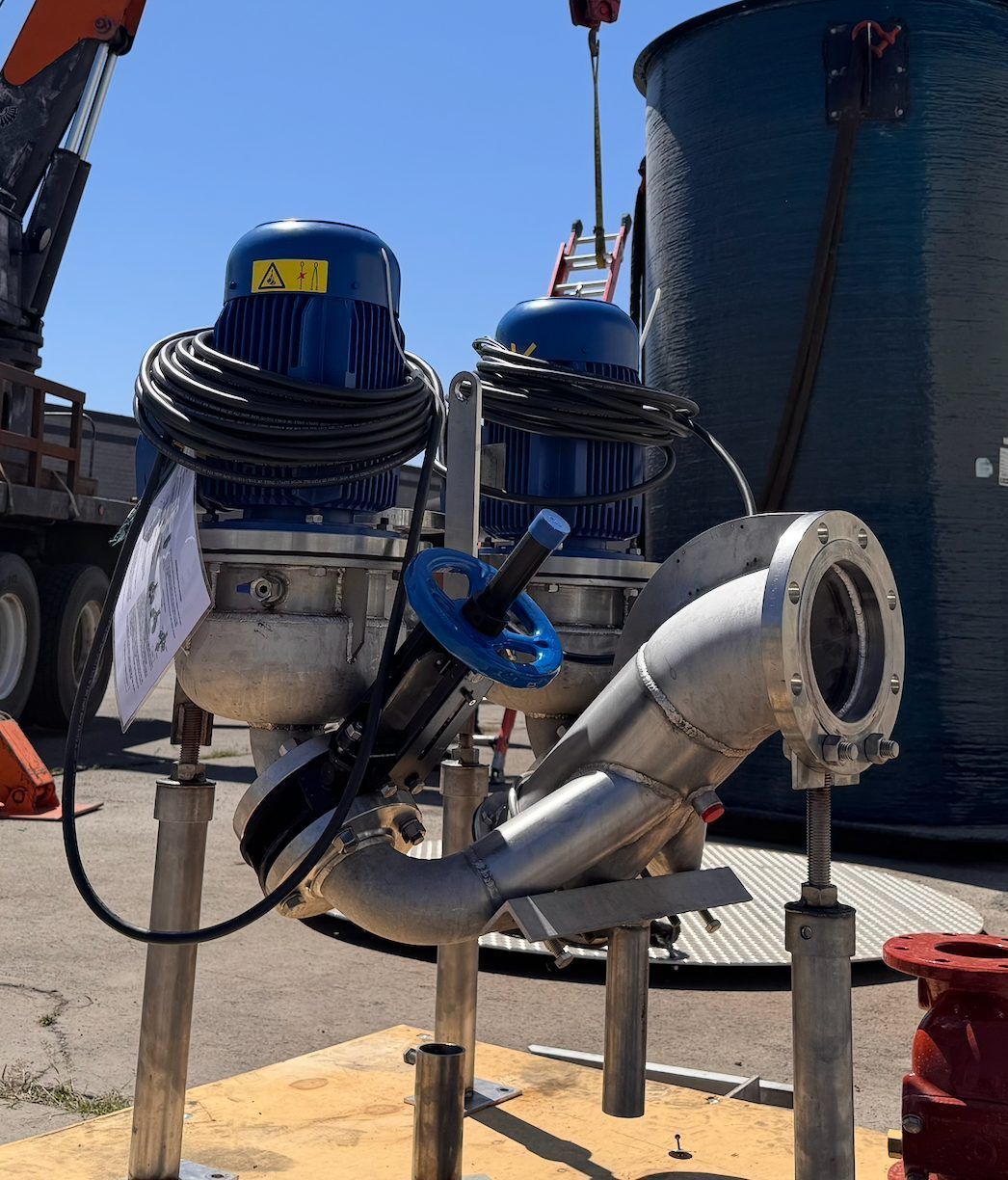
Maintenance access is a selection factor that gets overlooked during design and remembered during every service event. Submersible pumps in wet pit configurations require removal for any significant maintenance, a task that involves rigging, confined space entry protocols, and significant labor time compared to a dry-mount installation.
Direct in-line systems that eliminate the wet well also eliminate the confined space entry requirement for routine maintenance. For pretreatment facilities with regulatory confined space entry programs, the operational cost of wet pit maintenance is a legitimate factor in pump system selection, not just a preference.
Calculate the annual maintenance cost of confined space entry for wet pit configurations: permits, safety equipment, two-person entry requirements, and time. For lift station retrofits, compare this cost against the installed cost premium of a direct in-line system that eliminates the wet well.
Pretreatment facilities operating under industrial pretreatment programs have monitoring and reporting obligations that make real-time pump status visibility more than a convenience. Flow measurement, alarm conditions, and runtime data feed directly into compliance reporting systems. Controls packages that are engineered to integrate with existing SCADA infrastructure reduce the cost and complexity of meeting these obligations.
Controls specified after the pump package is selected, rather than as part of the engineering scope, often require compromises in integration quality, communication protocol compatibility, or operator interface consistency that persist for the life of the installation.
Define SCADA integration requirements before specifying the pump package. The communication protocol, hardware platform, and data points required for compliance reporting should inform controls design, not be adapted to whatever the pump package ships with.
Quick Reference: 9 Factors at a Glance
| # | Factor | Key Question to Answer |
|---|---|---|
| 1 | Solids content and particle size | What is the worst-case solids load and particle size? |
| 2 | Flow rate variability | What is the full operating range (min, average, and peak)? |
| 3 | NPSH margin | What is NPSHa at maximum expected fluid temperature? |
| 4 | Fluid chemistry and material compatibility | What compounds are in the fluid and are all wetted materials compatible? |
| 5 | Viscosity and specific gravity | Does the fluid require viscosity correction or a PD pump design? |
| 6 | Dosing accuracy requirements | Is the metering pump sized to operate at 60 to 80% of max capacity? |
| 7 | Redundancy requirements | What is the consequence of failure, and is redundancy sized accordingly? |
| 8 | Maintenance access and confined space | What is the true annual cost of maintenance access for this configuration? |
| 9 | Controls and monitoring integration | Are SCADA requirements defined before the controls package is specified? |
Frequently Asked Questions
What industrial pump systems work best when municipalities operate industrial pretreatment plants?
The best pump system for each duty in a pretreatment plant is determined by these nine factors, not by a single product recommendation. Influent lift stations with variable industrial solids loads are best served by vortex or DIPCUT impeller designs that handle worst-case conditions reliably. Sludge transfer typically requires progressive cavity pumps for high-viscosity flows. Chemical dosing requires metering pump types selected for accuracy and chemical compatibility. Treated effluent transfer uses high-efficiency centrifugal designs. Applying all nine factors to each duty produces a selection that performs reliably under actual pretreatment operating conditions.
How does flow variability affect pump selection for pretreatment?
A pump sized for average flow in a variable pretreatment application will spend significant time operating far from its Best Efficiency Point, accelerating bearing and seal wear and increasing energy consumption. VFDs mitigate this for centrifugal pumps. For applications with extreme variability, multiple smaller pumps staged in sequence often provide better performance across the full range than a single pump optimized for average conditions.
When should a progressive cavity pump be selected over a centrifugal pump for sludge?
Progressive cavity pumps become necessary when sludge viscosity or solids concentration reaches levels where centrifugal performance degrades significantly, generally above 4 to 6% solids concentration for primary sludge. They also provide constant flow regardless of discharge pressure, which is important for long sludge transfer runs where system resistance varies. The trade-off is higher maintenance cost compared to centrifugal designs and strict dry-run protection requirements.
Does Rhino Pumps help with pump selection for pretreatment applications?
Yes. Rhino Pumps works with municipal pretreatment facilities across Utah, Idaho, Nevada, Arizona, Washington, and Colorado to specify and engineer pump systems for each duty within the facility. Contact us to discuss your application requirements and get a system recommendation.
Get Pump Selection Support for Your Pretreatment Facility
Rhino Pumps helps municipal pretreatment facilities across the Mountain West specify and engineer the right pump system for every duty. Contact us to discuss your application.